Finding a snake inside your home can be alarming, but most situations can be handled safely with the right approach. The priority is avoidance, calm behavior, and encouraging the snake to leave - not confrontation.
Below is a practical, safety-first guide: what to do immediately, what may help repel or redirect the snake, and how to prevent future entries.
First: Stay Calm and Create Distance
Do this right away:
- Keep at least 2–3 meters (6–10 ft) between you and the snake
- Isolate the area (close doors, block gaps with towels)
- Open an exit path (a door or window to the outside)
- Keep pets and children away
Do NOT:
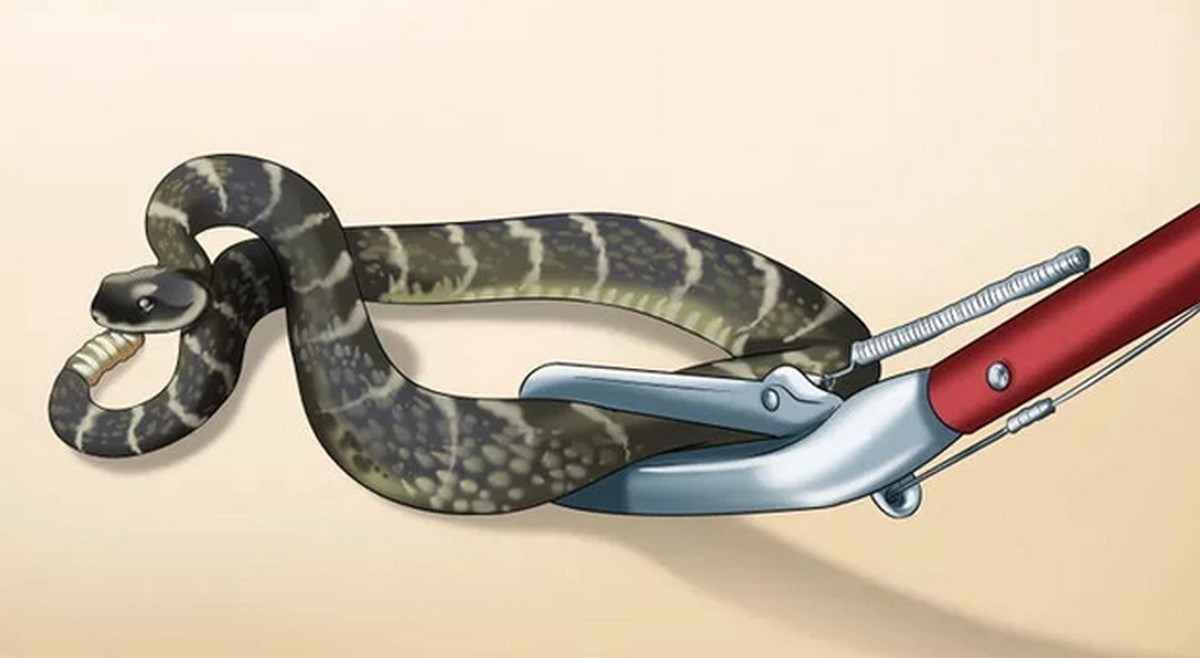
- Try to grab or hit the snake
- Corner it (this increases defensive behavior)
- Make sudden movements
Methods That Can Help Encourage It to Leave
These aren’t magic fixes. They work by making the environment less comfortable or by guiding the snake toward an exit.
1) Light + Space: Give It a Clear Way Out

- Dim the room where the snake is
- Brighten the exit area (hallway/door)
- Keep the path unobstructed
Why it helps: snakes tend to seek shelter and avoid disturbance—an obvious exit reduces wandering.
2) Vibration (Not Aggression)
- Lightly tap the floor from a distance (e.g., with a broom handle)
- Avoid striking near the snake
Why it helps: snakes detect ground vibrations and may move away from perceived disturbance.
3) Strong Scents (Limited Effect, Use with Caution)
Some people use vinegar or ammonia near entry points.
- Place small amounts near thresholds, not directly on the snake
- Ensure good ventilation
- Keep away from pets and skin
Reality check: scent deterrents are inconsistent. They may help at entry points but won’t reliably “drive out” a snake already inside.
4) Keep the Area Clear and Quiet
- Reduce clutter where the snake can hide
- Avoid loud, chaotic activity
Why it helps: fewer hiding spots + a calm, open path increases the chance it leaves on its own.
If You’re Unsure or Feel Unsafe
Call professionals:
- Local animal control
- Wildlife rescue services
- Pest control trained in humane removal
This is the safest option, especially if:
- You can’t identify the species
- The snake is large or agitated
- It’s in a hard-to-reach area
Preventing Future Incidents
Seal entry points
- Door gaps, vents, cracks in walls/foundation
- Install door sweeps and mesh over vents
Reduce attractants
- Keep yards trimmed (no tall grass, woodpiles near walls)
- Control rodents (they attract snakes)
Maintain storage areas
- Avoid clutter in garages, basements, and sheds
Important Safety Notes
- Never handle a snake unless you are trained
- Even non-venomous snakes can bite if threatened
- Identification by appearance alone can be unreliable - treat all unknown snakes cautiously
Final Take
There’s no guaranteed “substance” that instantly scares a snake away. The most effective strategy is creating a safe exit, minimizing stress, and avoiding direct interaction.
If the situation feels beyond your control, call professionals quickly and safely.
In these moments, the goal isn’t to fight the problem - it’s to manage it calmly and let it resolve without risk.