If possible, they should sit or lie down, loosen unnecessary clothing and cool the body with wet cloths, cool water or a fan. Small, frequent sips of water may be appropriate if the person is fully alert and able to drink safely.
If symptoms worsen, do not improve promptly or include repeated vomiting, seek medical assistance. A person who is confused, fainting or unable to drink safely needs urgent medical attention.
Heatstroke: A Life-Threatening Emergency
Heatstroke is a medical emergency. It occurs when the body's temperature regulation fails and internal temperature rises to dangerous levels.
Warning signs can include:
-
Confusion or unusual behavior.
-
Slurred speech.
-
Seizures.
-
Loss of consciousness.
-
Very high body temperature.
-
Severe weakness or collapse.
A person with heatstroke may have hot skin. They may be sweating heavily or may have stopped sweating; the absence of sweating is not required for heatstroke.
Call emergency services immediately if heatstroke is suspected.
While waiting for help, move the person to a cooler place and begin rapid cooling. Remove unnecessary outer clothing and use cool water, wet cloths, fans or other available cooling methods. If possible, place cold packs wrapped in cloth around the neck, armpits and groin.
Do not give fluids to someone who is confused, unconscious or unable to swallow safely.
The most important principle is not to wait for the person to become worse. Confusion, seizures or loss of consciousness during extreme heat should be treated as an emergency.
Why Heat Illness Can Be Mistaken for Something Else
Early heat-related symptoms are sometimes mistaken for ordinary fatigue, a stomach problem or a lack of sleep.
A worker may assume that a headache is caused by stress. An older person may appear unusually tired and decide to rest without telling anyone. A child may become irritable and stop playing.
These symptoms are not specific to heat illness, but their appearance during prolonged heat exposure should raise concern.
The surrounding circumstances matter. If someone has been outside for hours, is sweating heavily and begins feeling dizzy or nauseated, heat exhaustion should be considered.
If confusion or collapse develops, the situation is much more serious.
6. How to Prepare Before a Heat Wave Arrives
Preparation is most effective before temperatures become extreme.
Waiting until the hottest day to find drinking water, arrange transportation or locate a cooling center can make an already difficult situation more stressful.
Check the Forecast Every Day
Use a reliable local weather forecast and pay attention to official alerts for the exact area where you live.
Look beyond the maximum temperature. Humidity, overnight lows, heat index and the expected duration of the event all matter.
If an excessive heat watch or warning is issued, consider changing outdoor plans before the most dangerous conditions arrive.
A forecast can change, so continue checking updates rather than relying on a single screenshot shared several days earlier.
Prepare a Cool Space at Home
Choose the coolest room in the home and make it easier to use during the hottest part of the day.
Close curtains or blinds on windows receiving direct sunlight. Use ventilation when outdoor air is cooler than indoor air, but avoid bringing hot air inside during the hottest hours.
If air conditioning is available, make sure it is working before the heat arrives. Check filters and consider whether the system can cool the rooms where household members spend the most time.
Fans can help move air, but they should not be treated as a substitute for air conditioning when indoor temperatures become dangerously high. In very hot conditions, a fan may not provide sufficient cooling.
Prepare Drinking Water
Keep clean drinking water available and make it easy for everyone in the household to access.
People who work outside should carry water and take regular opportunities to drink. Do not wait until severe thirst develops.
For people who have been advised to limit fluid intake because of a medical condition, the appropriate amount should be discussed with a healthcare professional.
Sports drinks or electrolyte solutions may be useful in some circumstances involving prolonged heavy sweating, but they are not necessary for everyone. People with medical conditions that affect salt, potassium or fluid balance should seek individualized advice.
Plan for People Who Need Extra Help
Make a list of older relatives, neighbors or friends who may need assistance during extreme heat.
Check whether they have air conditioning, reliable transportation and someone who can contact them regularly.
If they live alone, arrange a check-in system. A phone call or visit can help identify problems before they become emergencies.
People who depend on powered medical equipment should also consider what they would do during a power outage. They may need a backup plan, access to an alternative location or assistance from local emergency services.
Prepare for Pets
Animals can also suffer from heat-related illness.
Provide access to shade and clean water. Avoid walking dogs on very hot pavement, which can burn their paws. Never leave a pet in a parked vehicle.
Outdoor animals should have a cool place to rest and should not be forced to remain in direct sunlight.
If an animal shows signs of weakness, excessive panting, vomiting or collapse, contact a veterinarian promptly.
7. What to Do During the Hottest Part of the Day
When a heat alert is active, small changes to daily routines can reduce exposure.
Move Strenuous Activities to Cooler Hours
If possible, exercise, gardening, shopping and outdoor work should be scheduled for early morning or later in the evening.
Even then, check the forecast. Some heat waves remain dangerous after sunset, and overnight temperatures may not provide enough relief.
If outdoor activity cannot be avoided, reduce the intensity, take frequent breaks and use shaded or air-conditioned areas whenever possible.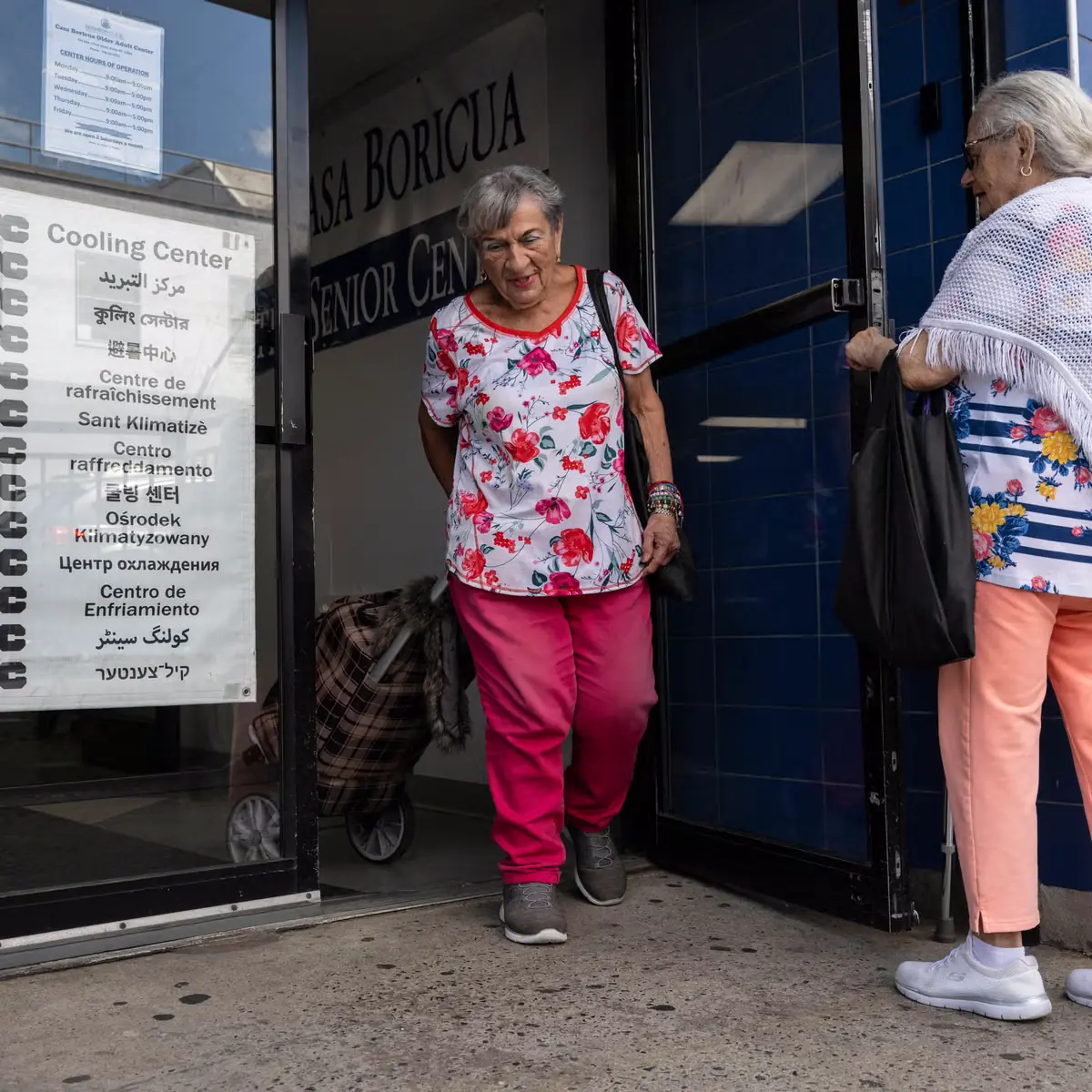
Wear Appropriate Clothing
Choose lightweight, loose-fitting and light-colored clothing when spending time outdoors.
A wide-brimmed hat can help protect the head and face from direct sunlight. Sunglasses and sunscreen can reduce other forms of sun exposure, although sunscreen does not prevent heatstroke.
Clothing should allow the body to release heat as effectively as possible.
Take Cooling Breaks
A shaded rest area is better than remaining in direct sunlight, but an air-conditioned environment provides more reliable relief during severe heat.
Workers should have access to cool rest areas and should be allowed to stop when they experience symptoms of heat stress.
People exercising outdoors should reduce their pace and stop if they feel faint, weak or unusually unwell.
Avoid Leaving Anyone in a Parked Car
This warning deserves special attention.
The temperature inside a parked vehicle can rise rapidly, even when the outside temperature does not seem extreme. Opening a window slightly does not make it safe.