Chicken is one of the most popular sources of protein around the world. It is relatively affordable, versatile, easy to prepare, and can fit into almost any style of eating.
From grilled chicken breast and roasted thighs to chicken soup, wings, liver, skin, and processed chicken products, there are countless ways to enjoy it.
But there is an important point that often gets overlooked:
Not every chicken product or chicken part has the same nutritional profile.
Some parts contain considerably more fat than lean chicken breast. Others are organ meats with unusually high concentrations of certain vitamins and minerals. And some chicken products are highly processed, meaning that their health profile can be very different from that of plain, minimally processed chicken.
That does not mean these foods are automatically “bad.”
Rather, the key is understanding which parts may be better eaten in moderation, particularly if you are trying to manage saturated fat, sodium, calories, or certain nutrients.
Here are four chicken parts and products worth taking a closer look at.
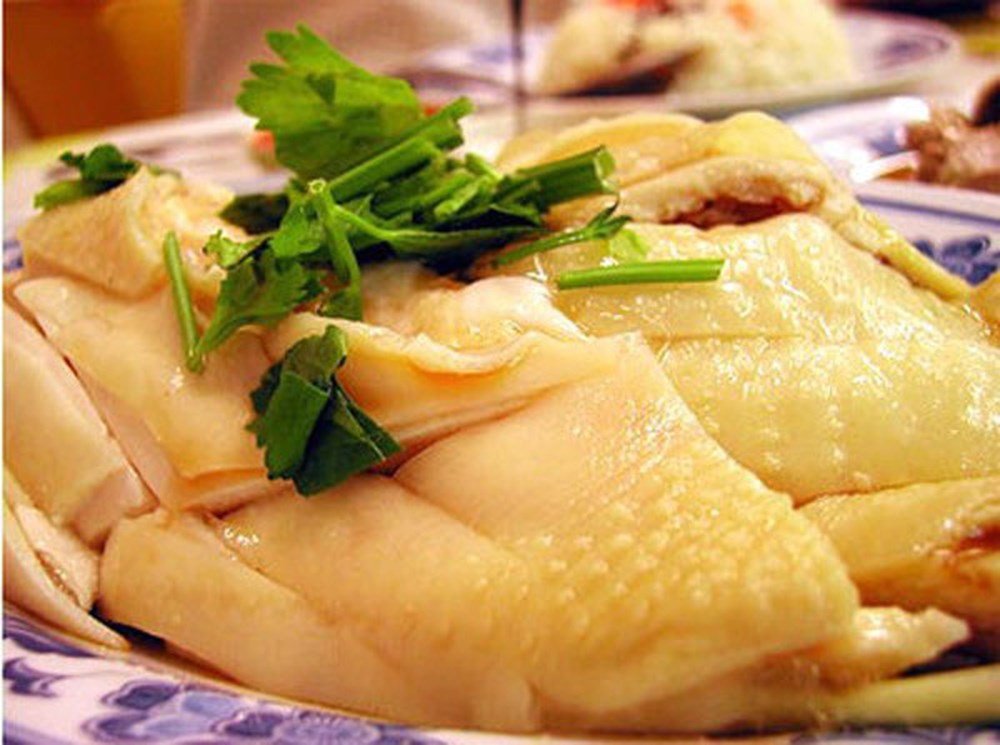
1. Chicken Skin
Chicken skin is probably the most obvious example.
For many people, the skin is the best part of roasted or fried chicken. It becomes crispy, flavorful, and rich, especially when seasoned and cooked at high temperatures.
But much of that delicious texture comes from its relatively high fat content.
Chicken skin contains a substantial amount of fat compared with skinless chicken meat. Depending on how it is prepared, eating the skin can significantly increase the calorie content of a meal.
Why does that matter?
Dietary fat isn't inherently unhealthy.
Your body needs fat for:
-
Hormone production
-
Cell membranes
-
Absorption of fat-soluble vitamins
-
Energy
-
Normal brain and nervous-system function
The issue is the type and amount of fat.
Chicken skin contains both unsaturated and saturated fats. If you regularly eat large portions of fatty poultry, especially alongside other sources of saturated fat, it can become more difficult to maintain a heart-healthy dietary pattern.
This is particularly relevant for people who have been advised to reduce saturated fat or manage elevated LDL cholesterol.
Does that mean you should never eat chicken skin?
Not necessarily.
For a generally healthy person, enjoying crispy chicken skin occasionally can fit into an overall balanced diet.
The bigger concern is frequency and portion size.
A meal centered around a moderate portion of roasted chicken with vegetables and whole grains is very different from regularly eating large amounts of deep-fried chicken with salty sauces and refined carbohydrates.
The cooking method matters just as much as the chicken part itself.
2. Chicken Liver
Chicken liver is completely different from chicken breast.
It is an organ meat and is remarkably nutrient-dense.
In fact, chicken liver provides substantial amounts of several micronutrients, including:
-
Vitamin A
-
Vitamin B12
-
Folate
-
Iron
-
Riboflavin
-
Copper
-
Other essential nutrients
For someone with a nutrient deficiency, organ meats can be valuable foods.
So why might chicken liver be something to think twice about?
The answer is nutrient concentration.
Chicken liver contains very high amounts of preformed vitamin A.
Vitamin A is essential for vision, immune function, reproduction, and normal cell development.
But unlike many plant foods that provide beta-carotene, liver contains preformed vitamin A, which the body can store.
Consuming very large amounts of preformed vitamin A over time can lead to excessive intake.
Pregnancy deserves particular attention
People who are pregnant or trying to become pregnant are often advised to be cautious with foods that contain high levels of preformed vitamin A because excessive intake can be harmful to fetal development.
This doesn't mean chicken liver is universally dangerous.
It means portion and frequency matter, and pregnant individuals should follow guidance from their healthcare professional regarding liver and vitamin A intake.
Chicken liver isn't automatically unhealthy
In fact, describing liver as “bad” would be inaccurate.
It can be an extremely nutritious food.
The better way to think about it is:
Chicken liver is nutrient-dense enough that moderation matters.
Unlike chicken breast, where eating a larger portion generally doesn't create the same concern about vitamin A, liver is a concentrated source of certain nutrients.
3. Chicken Wings
Chicken wings are another part that deserves some attention—not because wings are inherently unhealthy, but because they are often prepared in ways that dramatically change their nutritional profile.
The meat itself can provide protein.
However, wings typically contain more skin relative to the amount of meat than leaner cuts such as chicken breast.
That means the overall calorie and fat content can rise significantly depending on how they're prepared.
Then there is the cooking method.
Chicken wings are commonly:
-
Deep-fried
-
Breaded
-
Coated in salty sauces
-
Covered with sugary glazes
-
Served with high-calorie dips
A plain roasted wing and a large serving of deep-fried wings covered in sauce are nutritionally very different foods.
The hidden issue may be the preparation
Consider a typical restaurant-style serving.
The chicken itself provides protein.
But the meal may also contain:
-
Added oils
-
Refined flour from breading
-
Large amounts of sodium
-
Added sugars
-
High-calorie sauces
-
Creamy dipping sauces
At that point, the nutritional profile of the entire meal is determined by much more than the chicken.
Can you still eat wings?
Absolutely.
If you enjoy them, consider:
-
Baking or air-frying instead of deep-frying
-
Removing some of the skin if desired
-
Choosing lighter sauces
-
Controlling portion size
-
Pairing wings with vegetables
-
Limiting very salty sauces
The goal isn't to eliminate wings.
It's to avoid turning them into an everyday high-calorie, high-sodium meal.
4. Processed Chicken Products
This may be the most important category on the list.
Chicken itself can be a nutritious source of protein.
But once chicken is heavily processed, the nutritional picture can change.
Examples include:
-
Chicken nuggets
-
Chicken sausages
-
Chicken hot dogs
-
Breaded chicken patties
-
Some deli-style chicken products
-
Certain frozen chicken meals
-
Highly seasoned packaged chicken products
These foods may still contain protein, but they can also contain significant amounts of:
-
Sodium
-
Saturated fat
-
Added starches
-
Refined carbohydrates
-
Preservatives
-
Added oils
-
Other ingredients used during processing
Not every processed chicken product is nutritionally equivalent, so reading the nutrition label is important.
Why sodium matters
Sodium is an essential mineral, but consuming too much can contribute to higher blood pressure in salt-sensitive individuals.
Many processed chicken products are surprisingly salty because sodium can be added for flavor, preservation, or texture.
If someone eats processed chicken frequently while also consuming salty sauces, packaged snacks, instant noodles, processed meats, and restaurant foods, total sodium intake can quickly add up.
“Chicken” doesn't automatically mean healthy
This is an important lesson.
A food can be made from chicken and still be highly processed.
Compare:
Grilled chicken breast + vegetables
with:
Deep-fried chicken nuggets + fries + salty dipping sauce
Both contain chicken.
But their overall nutritional profiles are dramatically different.
What About Chicken Feet?
Chicken feet are not included in the main four, but they often generate questions because they are popular in many cuisines.
Chicken feet contain collagen-rich connective tissue and are commonly prepared in soups, stews, braises, and other dishes.
However, they aren't a particularly concentrated source of lean protein compared with chicken breast or other meatier cuts.
They can also absorb significant amounts of sodium depending on how they are prepared.
That doesn't make chicken feet unhealthy.
They can be part of a varied diet.
But if someone is looking specifically for a lean, protein-dense chicken option, meatier cuts may be more efficient.
What About Chicken Neck and Other Dark Meat?
Dark meat, such as chicken thighs and drumsticks, is sometimes unfairly labeled as unhealthy.
That isn't necessary.
Chicken thighs generally contain more fat than skinless chicken breast, but they also provide useful nutrients and remain a good source of protein.
The difference becomes more significant when the skin is left on and the meat is fried or prepared with large amounts of added fat.
A roasted chicken thigh is very different from a heavily breaded and deep-fried thigh.
Again, the preparation method matters.
Is Chicken Breast Always the Healthiest Choice?
Chicken breast is often considered the “healthy” part of the chicken because it is relatively lean and rich in protein.
And for people looking to increase protein while keeping saturated fat and calories relatively low, skinless chicken breast can be an excellent option.
But that doesn't mean everyone needs to eat chicken breast exclusively.
A healthy diet can include a variety of poultry cuts.
Chicken thighs can provide protein and other nutrients.
Chicken liver can provide exceptionally concentrated amounts of certain micronutrients.
Wings can be enjoyed occasionally.
The key is understanding how each food fits into your overall diet.
The Biggest Difference May Be How the Chicken Is Cooked
Sometimes the question isn't:
“Which part of the chicken is unhealthy?”
A better question may be:
“How is the chicken being prepared?”
Consider the difference between these meals.
Option 1
Skinless chicken breast grilled with vegetables and brown rice.
Option 2
Chicken breast breaded, deep-fried, covered in sauce, and served with fries.
The chicken is technically the same type of meat.
Yet the second meal can contain significantly more calories, sodium, and added fat.
This is why nutrition should be evaluated at the level of the whole meal and dietary pattern, rather than labeling individual foods as simply “good” or “bad.”
Fried Chicken Deserves Special Attention
Fried chicken is one of the most popular chicken dishes in the world.
It can also be one of the most calorie-dense ways to consume poultry.
Deep-frying adds oil.
Breading adds refined carbohydrates and additional calories.
Keeping the skin adds more fat.
Salty seasoning and sauces can substantially increase sodium.
None of these ingredients makes fried chicken forbidden.
But frequent consumption can make it harder to maintain a diet that is lower in saturated fat, sodium, and excess calories.
If fried chicken is an occasional meal rather than a daily staple, it can fit into an otherwise balanced lifestyle.
Does Chicken Cause High Cholesterol?
Chicken itself does not automatically cause high cholesterol.
This is an important misconception.
The nutritional effect depends on:
-
The cut of chicken
-
Whether the skin is eaten
-
The cooking method
-
Portion size
-
The rest of the diet
-
An individual's overall health
Skinless chicken breast is relatively low in saturated fat.
Chicken skin contains considerably more fat.
Fried chicken can contain even more because of added cooking oil.
If someone is trying to manage LDL cholesterol, focusing on overall saturated fat intake and replacing higher-saturated-fat foods with sources of unsaturated fats can be more useful than simply avoiding all chicken.
What About Chicken and Heart Health?
Chicken can absolutely be part of a heart-conscious diet.
The healthiest approach generally involves choosing minimally processed poultry and preparing it in ways that don't add excessive sodium or saturated fat.
For example:
-
Grilled chicken
-
Roasted chicken
-
Poached chicken
-
Steamed chicken
-
Chicken cooked with vegetables
-
Skinless poultry
These can all fit into a nutritious dietary pattern.
But regularly eating fried chicken, processed chicken sausages, and heavily salted poultry products is a different situation.
The distinction is important.
How Much Chicken Should You Eat?
There isn't one perfect amount for everyone.
Protein needs vary depending on age, body size, physical activity, health status, and overall dietary pattern.
Instead of focusing exclusively on how much chicken you eat, consider how chicken fits into your overall protein intake.
A varied diet might include:
-
Chicken
-
Eggs
-
Beans
-
Lentils
-
Tofu
-
Fish
-
Dairy
-
Nuts and seeds
-
Other lean meats
Variety helps provide different nutrients and prevents your diet from becoming unnecessarily restrictive.
Healthier Ways to Prepare Chicken
If chicken is already a regular part of your diet, small preparation changes can make a meaningful difference.
Choose skinless cuts more often
Removing the skin can reduce the amount of fat and calories in the meal.
Bake or roast instead of deep-frying
Dry-heat cooking methods can provide plenty of flavor without requiring large amounts of added oil.
Use herbs and spices
Garlic, ginger, black pepper, paprika, turmeric, rosemary, thyme, chili, lemon, and other seasonings can add flavor without relying heavily on salt.
Pair chicken with vegetables
Instead of making chicken the entire meal, build a plate around vegetables, legumes, and whole grains as well.
Watch sauces
Barbecue sauce, creamy dressings, sweet glazes, and salty dipping sauces can add significant amounts of sugar, sodium, or calories.
Read labels on processed products
If you purchase chicken sausages, nuggets, deli chicken, or frozen meals, compare sodium, saturated fat, protein, and ingredient lists.
A Simple Rule for Choosing Chicken
When you're standing in front of a grocery shelf or planning dinner, remember this simple hierarchy:
Less processed generally gives you more control.
A plain chicken breast gives you control over:
-
Seasoning
-
Oil
-
Salt
-
Portion size
-
Cooking method
A highly processed chicken product has already had many of those decisions made for you.
That doesn't mean processed foods can never be eaten.
It simply means they may be better treated as occasional or convenient options rather than the foundation of your diet.

Myth vs. Reality
Myth: All chicken is automatically healthy.
Reality: Chicken can be nutritious, but different cuts and preparations have different amounts of fat, sodium, and calories.
Myth: Chicken skin should never be eaten.
Reality: Chicken skin can be enjoyed occasionally. The main issue is its higher fat and calorie content.
Myth: Chicken liver is unhealthy because it's an organ.
Reality: Chicken liver is highly nutritious but contains concentrated amounts of certain nutrients, particularly preformed vitamin A. Moderation matters.
Myth: Chicken wings are unhealthy by themselves.
Reality: Wings can provide protein, but common preparation methods can add substantial amounts of fat, sodium, and calories.
Myth: Chicken nuggets are as healthy as grilled chicken because they're made from chicken.
Reality: Highly processed chicken products can contain additional sodium, oils, starches, and other ingredients.
The Bottom Line
Chicken can be an excellent source of protein and can easily fit into a healthy diet.
But “chicken” is not one single nutritional category.
Chicken skin can significantly increase fat and calorie intake.
Chicken liver is extremely nutrient-dense and should be eaten thoughtfully, particularly by people who need to monitor preformed vitamin A intake.
Chicken wings can be perfectly reasonable in moderation, but deep-frying and heavy sauces can turn them into a much more calorie- and sodium-dense meal.
And highly processed chicken products can contain substantially more sodium, added fats, starches, and other ingredients than plain chicken.
The goal isn't to fear these foods.
It's to understand them.
Choose minimally processed chicken more often, vary your protein sources, pay attention to portion sizes, and consider how the chicken is prepared.
After all, healthy eating isn't about finding a list of foods you can never eat.
It's about learning which foods work best as everyday staples—and which ones are better enjoyed occasionally.
Chicken can absolutely be part of a healthy diet. The key is knowing which parts and preparations deserve a little more moderation.