Fat generally takes longer to digest than carbohydrates, and high-fat meals can delay the movement of food from the stomach into the small intestine.
As a result, some people experience a feeling of fullness that lasts longer than expected.
Others may notice:
-
Bloating after meals.
-
Nausea or an uncomfortable heavy feeling.
-
Belching.
-
Heartburn or acid reflux.
-
Abdominal discomfort.
These symptoms are not exclusive to red meat. They can occur after many high-fat meals, including fried foods, creamy dishes, and rich desserts.
People who have gallbladder problems may be particularly sensitive to fatty meals. The gallbladder releases bile to help digest fat, and certain gallbladder conditions can cause abdominal pain after eating high-fat foods.
Persistent pain, especially in the upper right abdomen, should not automatically be blamed on indigestion. It may require medical evaluation.
Does this mean red meat is bad for everyone?
No.
Lean cuts of beef and pork can fit into a balanced diet. They provide useful nutrients and can be prepared in ways that reduce unnecessary fat.
The important distinction is between moderate consumption of lean, minimally processed meat and frequent consumption of large portions of fatty or heavily processed products.
For healthier preparation, consider:
-
Choosing leaner cuts.
-
Trimming visible fat before cooking.
-
Using grilling, baking, roasting, or stewing instead of deep-frying.
-
Avoiding excessive butter and oil.
-
Keeping portions moderate.
-
Serving meat with vegetables and fiber-rich side dishes.
People who enjoy red meat do not necessarily need to give it up. They may benefit more from paying attention to the cut, preparation method, and frequency of consumption.
3. Deep-Fried and Heavily Breaded Meat
Fried chicken, breaded pork, crispy beef, and other deep-fried meat dishes are popular because of their crunchy texture and rich flavor.
Unfortunately, the way these foods are prepared can make them less comfortable for some digestive systems.
The issue is not necessarily the meat itself. In many cases, it is the combination of fat, breading, large portions, and cooking methods.
Deep-frying allows food to absorb oil, although the amount varies according to the food, temperature, cooking time, and preparation technique.
A meal containing fried meat, creamy sauces, and fried side dishes can deliver a substantial amount of fat in one sitting.
What happens after eating a large fried meal?
The digestive system must process the fat along with the protein and other components of the meal.
For some individuals, this may lead to delayed stomach emptying and a longer-lasting feeling of fullness.
People who are prone to reflux may also notice more symptoms after consuming large, fatty meals.
The breading can introduce another consideration. Some coatings contain wheat flour, and individuals with celiac disease or certain food sensitivities may need to avoid specific ingredients. However, ordinary breading is not inherently harmful to everyone.
Fried meat may also be served with sauces containing chili, garlic, onions, or acidic ingredients. These can trigger symptoms in some individuals, even when the meat itself is well tolerated.
The importance of cooking oil
Repeatedly heating oil at high temperatures can cause chemical changes that affect food quality. Oil that is overheated, degraded, or repeatedly reused inappropriately may contain undesirable breakdown products.
This is one reason why food preparation practices matter.
Fried food is not automatically dangerous after a single meal, but regularly relying on deep-fried dishes can make it harder to maintain a balanced dietary pattern.
Healthier alternatives
If you enjoy crispy meat, you can experiment with different cooking techniques.
-
Bake chicken or pork with a light coating.
-
Use an air fryer with a modest amount of oil.
-
Grill lean cuts instead of deep-frying them.
-
Remove excess skin when appropriate.
-
Serve fried dishes in smaller portions.
-
Pair meat with vegetables rather than several additional fried foods.
These adjustments can preserve much of the flavor while reducing the overall fat content of the meal.
If fried foods repeatedly cause discomfort, consider reducing them and observing whether your symptoms improve.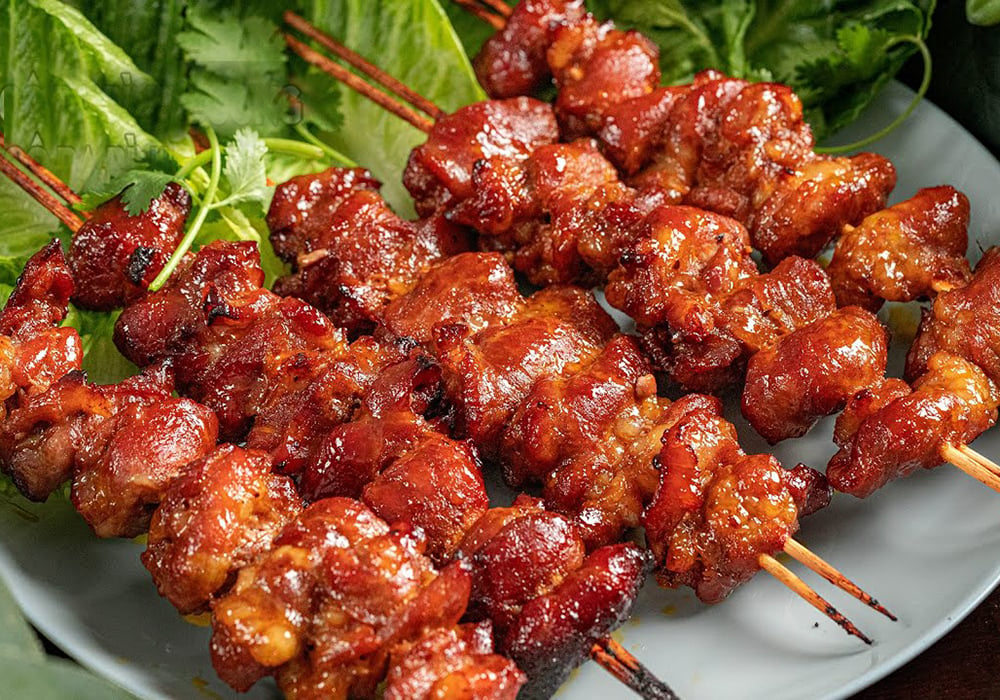
4. Processed or Undercooked Poultry: Chicken and Turkey
Chicken and turkey are often considered healthier alternatives to fatty red meat. They can be excellent sources of protein, particularly when skinless and prepared with moderate amounts of added fat.
However, poultry deserves special attention for a different reason: food safety.
Raw or undercooked chicken and turkey can carry harmful bacteria, including Salmonella and Campylobacter.
These organisms can cause foodborne illness, commonly associated with symptoms such as diarrhea, abdominal cramps, nausea, vomiting, and fever.
In some cases, symptoms may be severe enough to require medical attention.
Why is undercooked poultry dangerous?
Bacteria can be present on raw poultry even when the meat looks and smells normal.
Visual appearance alone cannot reliably establish that chicken is safe to eat.