Highly processed plant-based meat substitutes may also contain considerable sodium, saturated fat from certain added oils, or ingredients that some people do not tolerate well.
The best approach is to select foods based on nutritional quality and personal tolerance rather than assuming that every plant-based alternative is healthier.
A balanced diet can include both animal and plant proteins.
For example, a weekly eating pattern might include fish on some days, chicken on others, beans or lentils several times a week, and moderate portions of lean red meat.
Variety helps provide different nutrients while reducing reliance on a single food category.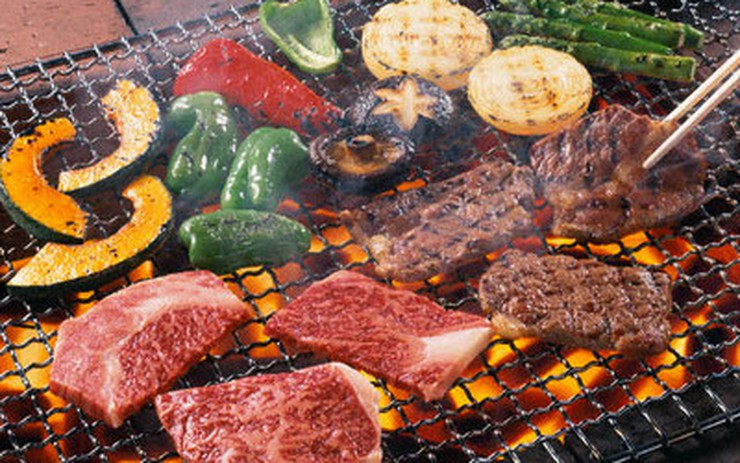
11. Common Myths About Meat and Digestion
There are several misconceptions about meat that can lead people to make unnecessary dietary changes.
Myth 1: All red meat is difficult to digest.
Not necessarily. Fatty meat may feel heavier for some individuals, but lean red meat can be tolerated well by many people. Portion size and cooking method also matter.
Myth 2: Chicken is always healthy, regardless of preparation.
Chicken can be a nutritious protein source, but deep-fried chicken with heavy sauces is nutritionally different from skinless grilled chicken. Food safety is also essential.
Myth 3: Stomach discomfort always means food poisoning.
Bloating, fullness, and mild indigestion can occur for many reasons. Foodborne illness more commonly involves symptoms such as diarrhea, abdominal cramps, nausea, vomiting, or fever, although symptoms vary.
Myth 4: Drinking water after eating meat prevents digestive problems.
Water supports normal hydration, but drinking it does not neutralize the fat content of a meal or prevent every form of indigestion.
Myth 5: You must stop eating meat to protect your digestive system.
Most people do not need to eliminate meat entirely. Choosing appropriate portions, limiting processed products, and preparing meat safely are often more practical strategies.
Understanding these differences can help prevent unnecessary fear and encourage more sustainable dietary habits.
12. The Importance of Food Safety When Preparing Meat at Home
Even nutritious meat can become dangerous if it is handled or cooked improperly.
Foodborne bacteria can contaminate raw meat, poultry, and other foods. Proper kitchen hygiene is therefore essential.
Keep raw meat separate from ready-to-eat foods. Use clean utensils and cutting boards, and wash your hands after handling raw products.
Refrigerate perishable foods promptly rather than leaving them at room temperature for extended periods.
Use a food thermometer to check internal temperatures, especially when preparing poultry or large cuts of meat. Color and texture are not reliable indicators of safety.
For example, poultry should reach an internal temperature of 165°F (74°C). Whole cuts of beef, pork, lamb, and veal have different recommended minimum temperatures depending on the cut and preparation.
Leftovers should be refrigerated promptly and reheated thoroughly.
These precautions are especially important for children, older adults, pregnant individuals, and people with weakened immune systems, who may be more vulnerable to complications from foodborne infections.
Food safety is not simply about avoiding stomach discomfort. It is an important part of preventing infections that can sometimes become serious.
Conclusion: The Best Meat Choices Are About Balance, Not Fear
Meat can provide valuable nutrients, including protein, iron, zinc, and vitamin B12. However, the type of meat and the way it is prepared can influence how comfortable you feel after eating.
Processed meats such as bacon, sausages, ham, and hot dogs may contain high amounts of sodium and fat, and frequent consumption carries important long-term health concerns.
Fatty cuts of red meat can make meals feel heavier and may worsen symptoms in people who are sensitive to high-fat foods.
Deep-fried and heavily breaded meat dishes can deliver large amounts of fat, potentially contributing to fullness, reflux, or discomfort.
Undercooked or improperly handled poultry presents a different concern: harmful bacteria that can cause foodborne illness.
None of these facts means that all meat is harmful or that everyone should follow the same diet.
The most useful strategy is to choose a variety of protein sources, limit processed meat, select leaner cuts when appropriate, use healthier cooking methods, and follow safe food-handling practices.
If you repeatedly experience stomach pain, bloating, diarrhea, heartburn, or other digestive symptoms after eating, do not assume that changing your meat choices alone will solve the problem. Persistent symptoms may require medical evaluation.
Ultimately, a healthy diet is not built around fear of individual foods. It is built around balance, moderation, variety, and an understanding of how your own body responds.
The next time you prepare a meat-based meal, consider not only what you are eating, but also how much, how often, and how it was prepared. Small changes can make a meaningful difference to both digestive comfort and long-term health.