“Avoid ginger if you have these 5 problems”? Chill — it’s not that dramatic. Here’s the real deal
Ginger is one of the most studied natural ingredients.
👉 For most people, it’s safe and even beneficial (anti-inflammatory, helps digestion, reduces nausea).
But yes — a few groups should be mindful, not scared.
Why Ginger Affects the Body
5
Ginger contains gingerol, which:
- Stimulates digestion
- Has mild blood-thinning effects
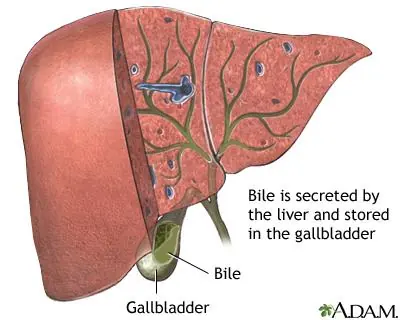
- Can influence stomach acid and bile flow
👉 These are benefits — unless they clash with certain conditions.
5 Cases Where You Should Be Careful
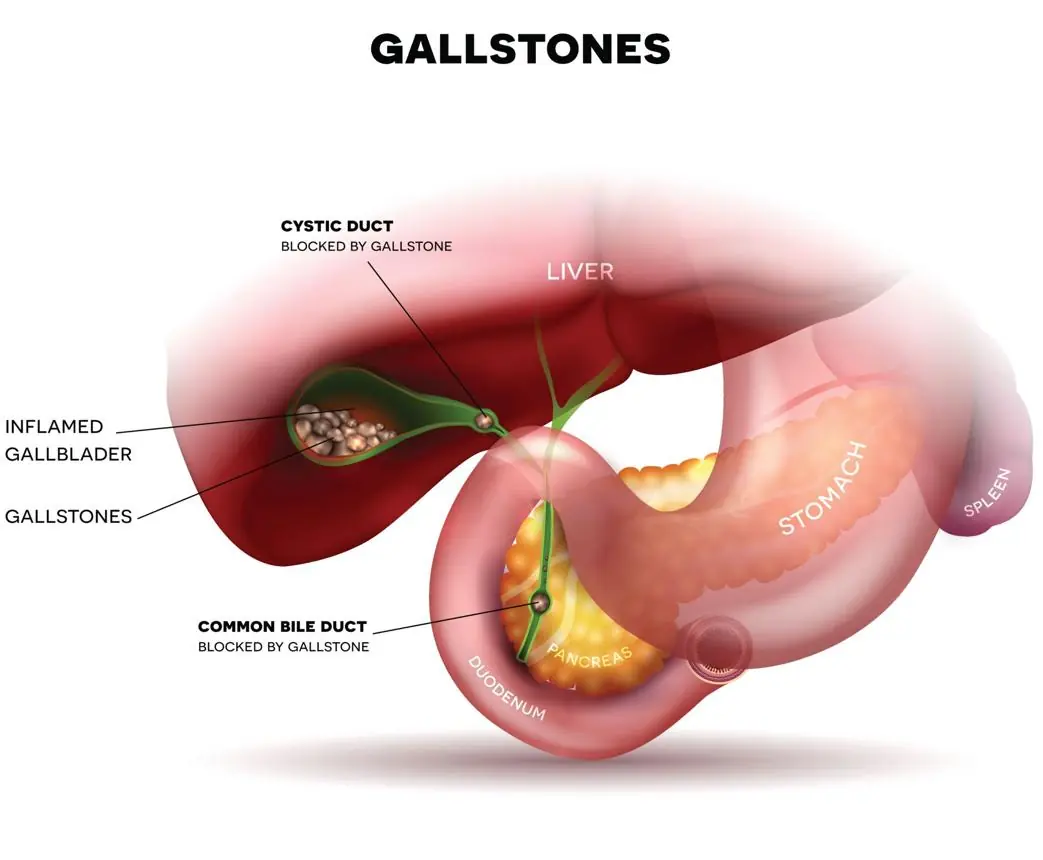
1. People with Gallstones


6
- Ginger may increase bile flow
👉 Could trigger discomfort if you already have gallstones
2. People Taking Blood Thinners
6
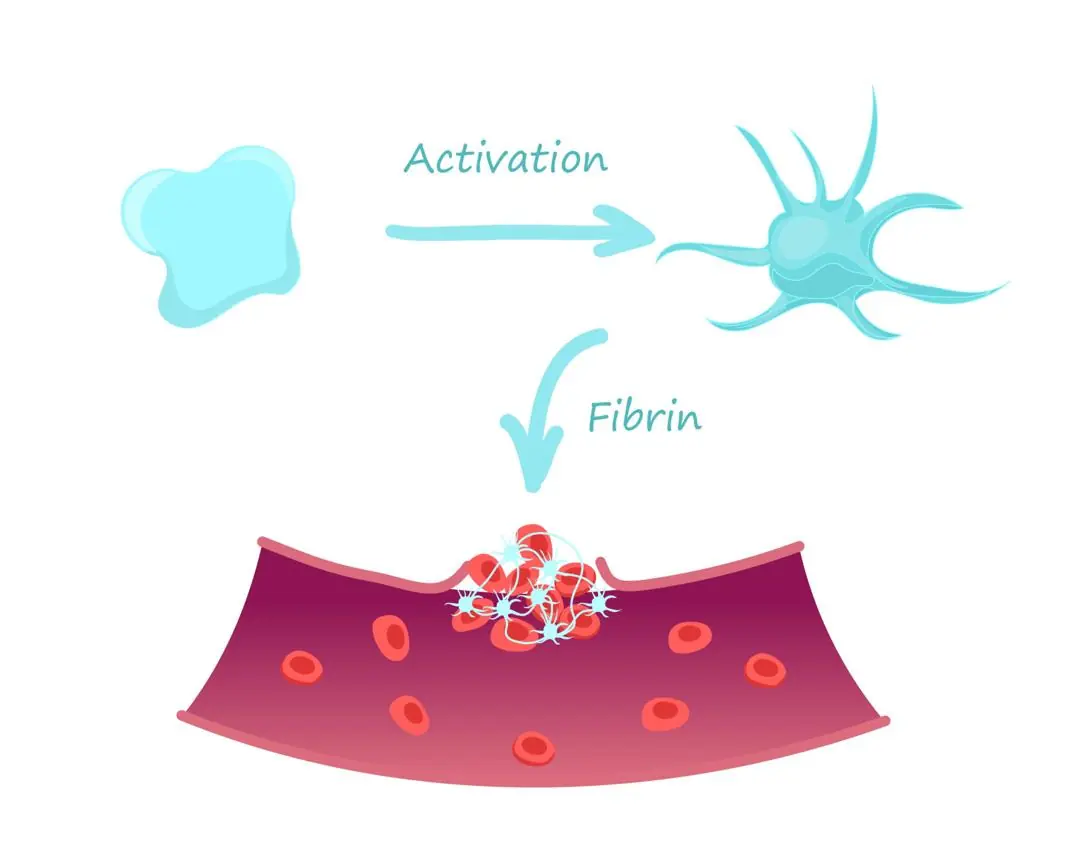
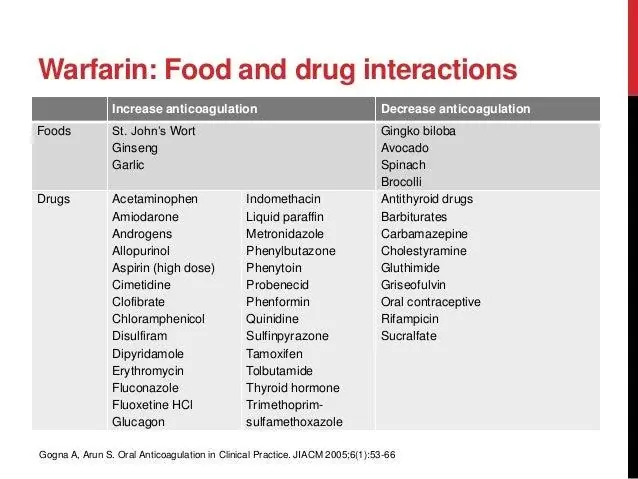
- Ginger has a mild anticoagulant effect
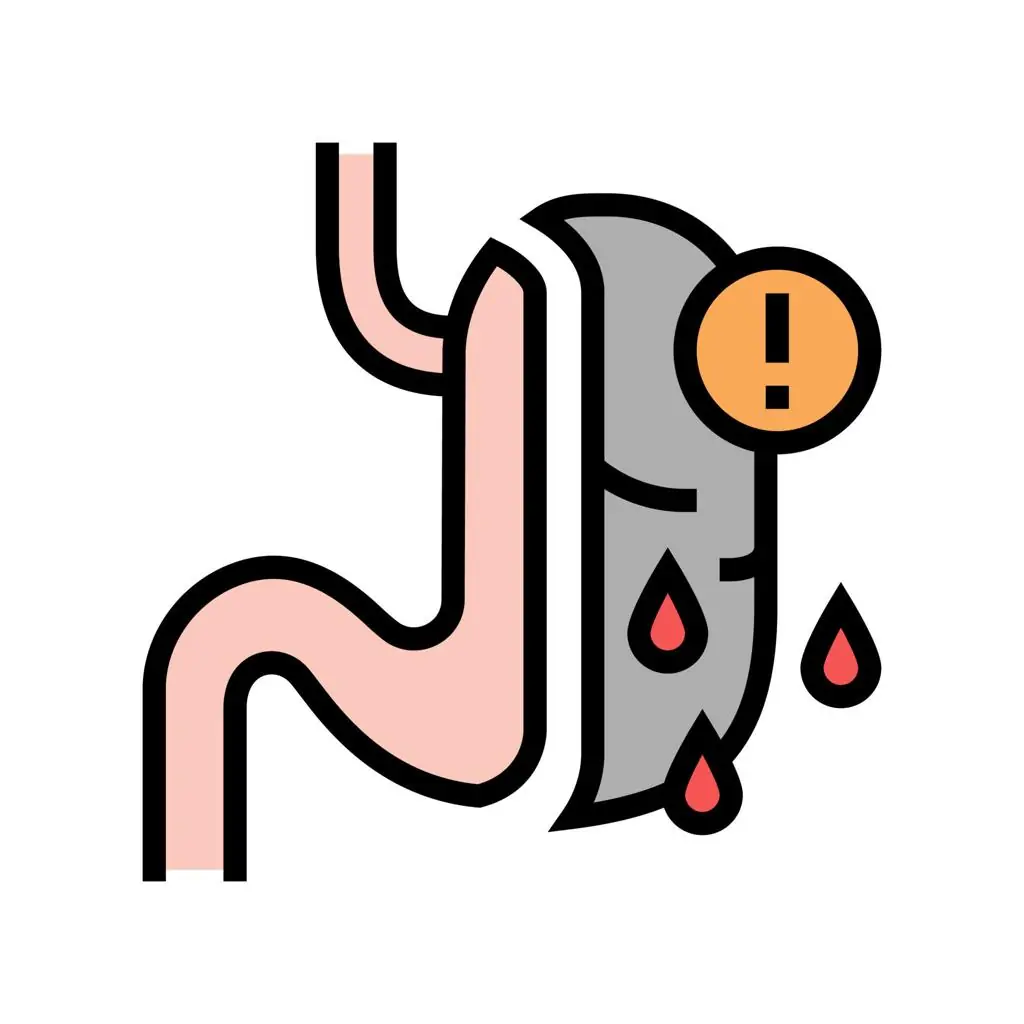
👉 Combined with meds → may increase bleeding risk (rare but possible)
3. People with Acid Reflux (GERD)
- Ginger can help some people
- But in others, it may worsen heartburn
👉 Depends on individual tolerance
4. Very Low Blood Pressure
- Ginger may slightly lower blood pressure
👉 Could cause dizziness in sensitive individuals
5. Pregnant Women (High Doses Only)


6
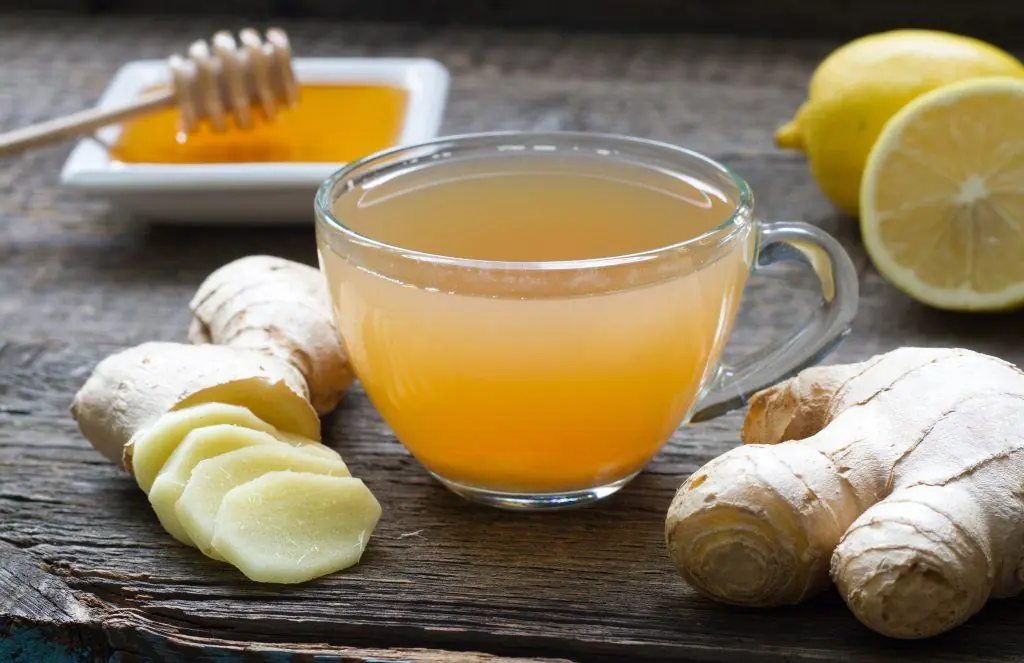
- Small amounts → often used for nausea ✔
- High doses → should be discussed with a doctor
So… Should You Avoid Ginger?
For most people:
✔ Safe
✔ Helpful
✔ Can be consumed daily in moderate amounts
👉 The “danger” only appears with:
- High doses
- Specific medical conditions
- Drug interactions
Final Thought
Ginger isn’t the problem — exaggeration is.
✔ In normal food amounts → beneficial
❌ In excessive or specific cases → be cautious
👉 Bottom line:
Don’t fear ginger. Just don’t treat it like a miracle drug and overdo it.
Should You Avoid Ginger If You Have These 5 Health Conditions? The Truth About Its Benefits, Risks, and Safe Use
Ginger has been used in cooking and traditional medicine for thousands of years. From a warm cup of ginger tea on a cold morning to freshly grated ginger in soups, stir-fries, and herbal drinks, this familiar root has earned a place in kitchens around the world.
Many people use ginger to ease nausea, support digestion, and add flavor to meals. Modern research has also investigated its antioxidant and anti-inflammatory properties, as well as its potential effects on blood sugar, cholesterol, and circulation.
But recently, alarming headlines have suggested that people with certain health conditions should avoid ginger altogether.
Is ginger really dangerous for people with gallstones? Can it increase bleeding in people taking blood-thinning medication? Does it make acid reflux worse? Can it lower blood pressure too much? And should pregnant women avoid ginger because of possible effects on the body?
The answer is not as dramatic as some headlines suggest.
For most healthy adults, ordinary culinary amounts of ginger are generally safe. However, concentrated supplements and high-dose extracts may have different effects from the small amounts used in everyday cooking.
People with certain medical conditions or those taking specific medications may need to be more careful, especially when considering ginger supplements.
Understanding the difference between food amounts and concentrated products is essential.
1. Why Does Ginger Affect the Body?
Ginger comes from the underground stem, or rhizome, of the plant Zingiber officinale.
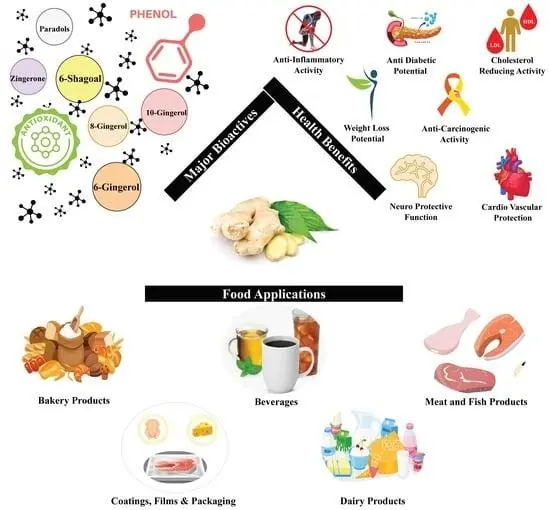
It contains several naturally occurring compounds, including gingerols, shogaols, and zingerone. These compounds contribute to ginger's distinctive aroma, warm taste, and biological activity.
The concentration of these substances varies depending on the variety of ginger, how it is processed, and whether it is consumed fresh, dried, cooked, or extracted.
Gingerol and its biological activity
Gingerol is one of the best-known active compounds in fresh ginger.
Laboratory studies suggest that gingerol and related compounds can influence several biological pathways involved in inflammation and oxidative stress.
Oxidative stress occurs when the production of reactive molecules exceeds the body's ability to neutralize them. Over time, this imbalance may contribute to cellular damage and is associated with several chronic conditions.
Ginger contains antioxidant compounds that may help influence these processes.
However, laboratory findings do not automatically prove that eating ginger prevents or treats a disease in humans.
The amount used in laboratory experiments may also differ substantially from what someone consumes in a cup of tea or a meal.
Ginger and inflammation
Some research suggests that ginger compounds may affect inflammatory signaling pathways.
This has led scientists to investigate ginger for conditions involving inflammation, including osteoarthritis and certain forms of muscle discomfort.
Some clinical studies have reported modest improvements in pain or stiffness among people taking ginger preparations.
Nevertheless, results vary, and ginger should not replace prescribed treatment for inflammatory diseases.
Ginger and nausea
One of ginger's better-studied uses is helping reduce nausea.
Research suggests that ginger may be helpful for some types of nausea, including pregnancy-related nausea and nausea associated with certain medical treatments.
Its effects may involve interactions with digestive and nervous-system pathways involved in nausea and vomiting.
However, ginger does not work equally well for everyone, and it is not a substitute for medical treatment when vomiting is severe or persistent.
Ginger and digestion
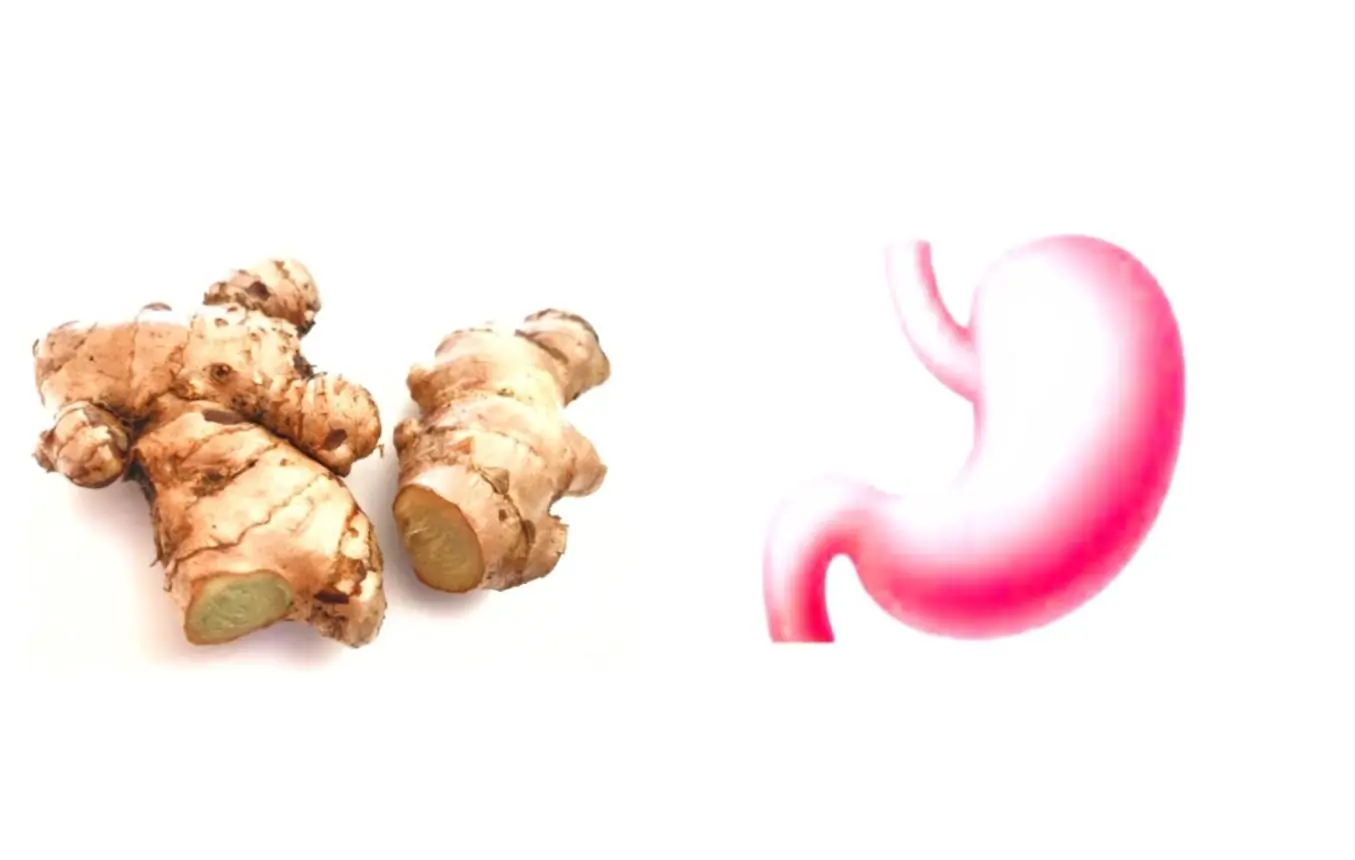
Ginger may influence gastrointestinal movement and gastric emptying in some circumstances.
Some people find that ginger tea or a small amount of fresh ginger makes them feel more comfortable after eating.
Others experience heartburn, stomach irritation, or abdominal discomfort.
This difference is important: a substance that helps one person may not produce the same response in another.
Ginger and blood clotting
Ginger compounds have shown effects on platelet activity in some laboratory and small human studies.
Platelets are blood components that help form clots when a blood vessel is injured.
These findings have raised questions about possible interactions between ginger supplements and anticoagulant or antiplatelet medicines.
However, the clinical significance of ordinary dietary ginger remains uncertain. It is not accurate to say that eating a little ginger has the same effect as taking a prescribed blood thinner.