Raw vegetables are packed with vitamins, fiber, and antioxidants, but not all of them are equally safe to eat uncooked. According to food safety experts, some vegetables grown in muddy water, contaminated soil, or humid environments may carry parasite eggs, bacteria, or harmful microorganisms if they are not washed and prepared properly.
Here are five types of vegetables that deserve extra caution before eating raw.
1. Water Chestnut
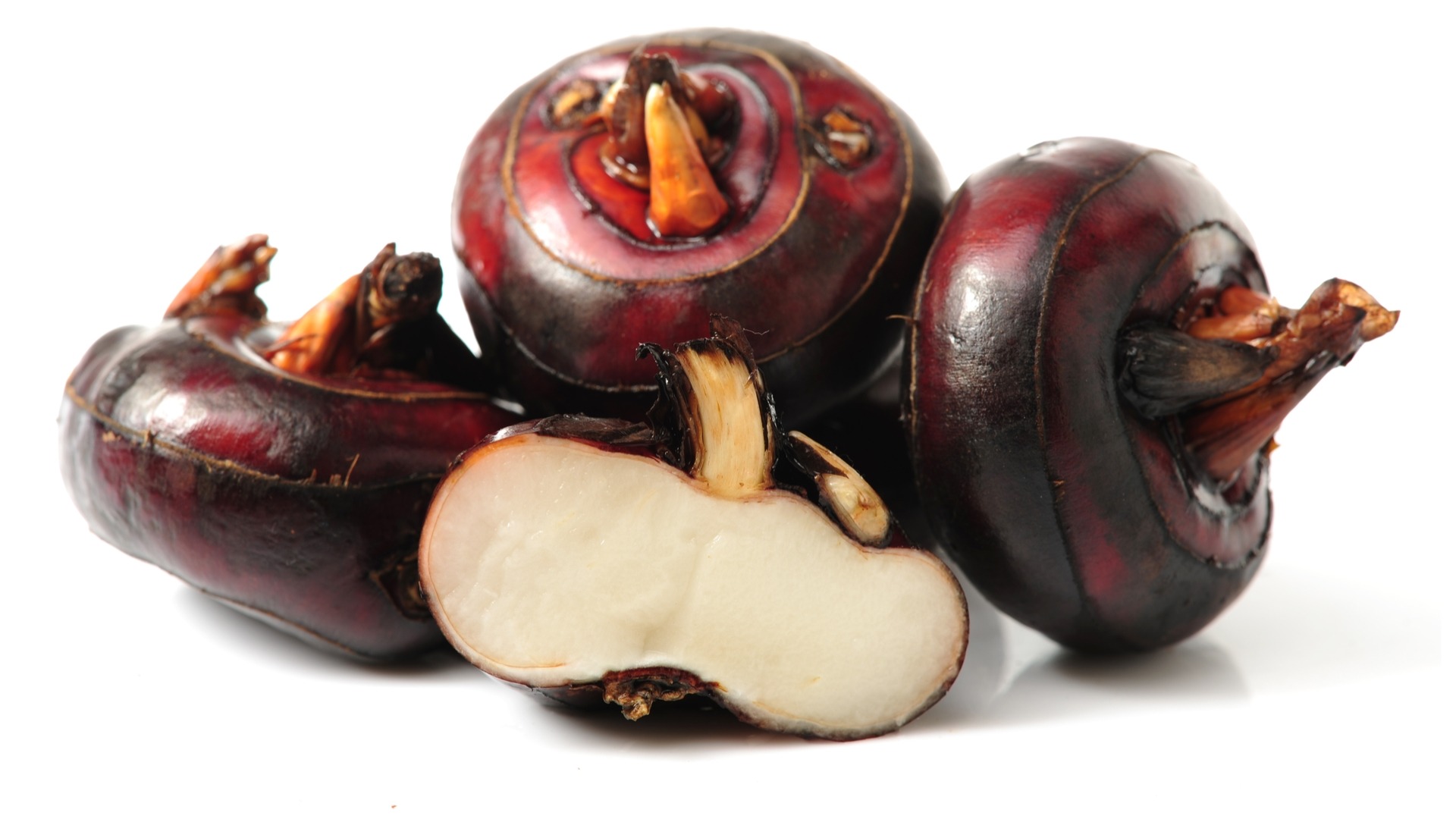
Water chestnuts grow in swamps, ponds, and muddy rice fields — environments where parasites and bacteria can thrive. Experts warn that eating them raw may increase the risk of digestive infections, especially in people with sensitive stomachs or weakened immunity.
Although crunchy and refreshing, water chestnuts should ideally be peeled carefully and cooked before consumption.
2. Water Celery
Water celery is commonly used in soups and salads in many Asian dishes. However, because it grows in wet environments, it may be exposed to liver flukes and other parasites from contaminated water sources or livestock waste.
Doctors recommend washing it thoroughly and cooking it whenever possible instead of eating it raw.
3. Arrowhead (Wild Rice Stem)
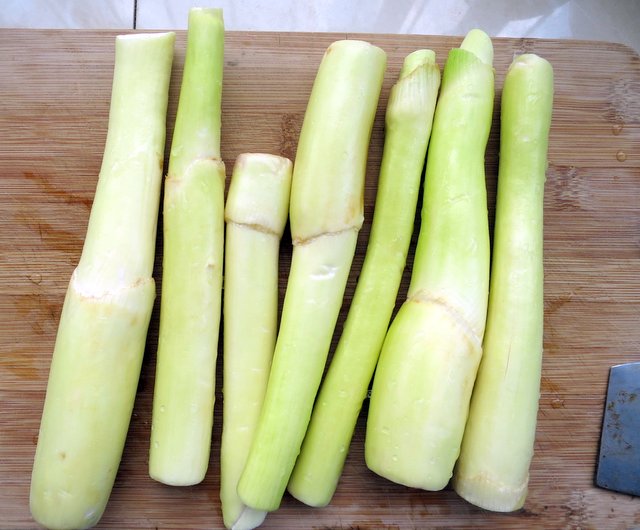
Arrowhead vegetables are nutritious and popular in traditional cuisine, but their moist growing conditions can make them a favorable place for parasites to cling to the surface. If eaten raw or undercooked, they may carry harmful organisms into the digestive tract.
Cooking at high temperatures significantly lowers the risk.
4. Water Caltrop
Often eaten like fruit because of its sweet and nutty taste, water caltrop may also carry worms and microscopic parasites when harvested from contaminated water. Some reports link improper preparation to stomach pain, diarrhea, and digestive discomfort.
Experts advise avoiding raw consumption unless the source is known to be clean and safe.
5. Lotus Root

Lotus root grows deep in muddy ponds and lakes, making it more vulnerable to contamination from parasites, bacteria, and worm eggs. Eating it raw may increase the risk of intestinal irritation and digestive problems.
While lotus root is highly nutritious, lightly boiling, steaming, or stir-frying it is considered a safer option.
Why Raw Vegetables Sometimes Become Risky
The vegetables themselves are not “dangerous” by nature. The real problem usually comes from:
- Contaminated irrigation water
- Soil exposure
- Poor handling during transportation or storage
- Inadequate washing before eating
Leafy vegetables and root vegetables are especially vulnerable because dirt and microorganisms can hide in small crevices or on rough surfaces.
How to Reduce the Risk
Food safety experts recommend several simple precautions:
- Wash vegetables thoroughly under running water
- Separate and rinse leafy greens carefully
- Peel root vegetables when possible
- Soak produce in clean water or mild saltwater before rinsing again
- Cook high-risk vegetables thoroughly
- Avoid eating raw vegetables from questionable sources
Cooking remains one of the most effective ways to kill parasites and harmful bacteria.
Don’t Panic — Just Be Careful
Many sensational headlines exaggerate the danger of raw vegetables. In reality, millions of people safely eat salads and fresh herbs every day. The key difference is proper cleaning and food handling. Online discussions also show that most people tolerate raw vegetables well when they are washed correctly and purchased from reliable sources.
Vegetables are still an essential part of a healthy diet. Rather than avoiding them completely, focus on preparing them safely so you can enjoy their nutritional benefits without unnecessary risks.