Sleep is one of the most important foundations of good health, yet it is often one of the first things people sacrifice when life becomes busy. Many people focus on eating nutritious food, exercising regularly, and managing stress while overlooking a simple but essential part of their daily routine: how they sleep.
Some people go to bed too late and wake up too early. Others spend enough hours in bed but follow an inconsistent schedule, going to sleep at different times every night. Still others assume that as long as they can get through the day without feeling exhausted, their sleeping habits must be healthy.
However, sleep is not simply a period when the body shuts down. It is an active biological process during which the brain organizes information, the cardiovascular system undergoes important changes, and the body carries out essential maintenance.
One frequently overlooked sleep mistake is consistently disrupting your natural sleep schedule by going to bed and waking up at widely different times. This pattern can interfere with the body's internal clock, make it harder to obtain sufficient restorative sleep, and contribute to health problems over time.
The relationship between sleep and health is complex. Irregular sleep does not automatically cause heart disease or brain damage, and many factors influence a person's risk. Nevertheless, research increasingly suggests that sleep duration, quality, regularity, and timing all deserve attention.
Understanding how these factors work may help you recognize unhealthy patterns and make practical changes that support your long-term well-being.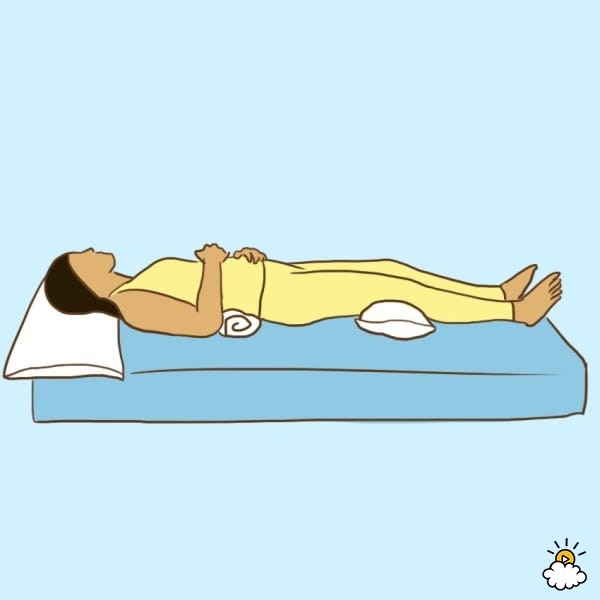
Chapter 1: The Sleep Mistake Many People Do Not Recognize
When people think about poor sleep, they usually imagine staying awake all night or sleeping for only a few hours. Although insufficient sleep is an important concern, the problem is not always the number of hours spent in bed.
Sometimes, the overlooked issue is inconsistency.
Imagine someone who goes to bed at 10:30 p.m. and wakes up at 6:30 a.m. on weekdays. This schedule allows approximately eight hours in bed. However, on weekends, the same person stays awake until 2 a.m., sleeps until 10 a.m., and then struggles to fall asleep at the usual time on Sunday night.
By Monday morning, the person's internal clock may be out of alignment with the work schedule.
This pattern is sometimes described as social jet lag. It occurs when a person's sleep timing differs substantially between workdays and free days, creating a mismatch between their biological rhythms and daily obligations.
The effect can resemble a mild version of traveling across time zones. The body may be expected to become alert at a time when its internal signals still favor sleep, or to become sleepy when those signals are not yet fully prepared for rest.
Over time, an irregular schedule can make sleep less predictable. Some people experience difficulty falling asleep, waking up repeatedly, or feeling unrefreshed in the morning.
Others compensate by consuming more caffeine, taking long naps, or staying in bed much later on days off. Although these strategies may offer temporary relief, they do not always resolve the underlying problem.
Sleep timing is influenced by the circadian rhythm, the body's internal system that helps coordinate sleep, alertness, hormone release, body temperature, and other biological processes over approximately 24 hours.
Light exposure is one of the strongest signals that helps regulate this rhythm. Morning daylight generally supports the biological processes associated with waking, while darkness in the evening helps prepare the body for sleep.
When sleep timing changes dramatically from day to day, the body's internal signals can become less well aligned with a person's routine.
That does not mean every late night is dangerous. Occasional schedule changes are a normal part of life, and some people naturally prefer later sleep times than others.
The concern is a persistent pattern that repeatedly leaves someone sleeping too little, feeling excessively tired, or struggling to maintain a consistent daily rhythm.
The goal is not to force everyone to follow the same bedtime. It is to establish a sleep routine that provides sufficient rest and works reasonably well with the body's biological needs.
Chapter 2: What Happens to Your Heart While You Sleep?
Sleep provides an opportunity for the cardiovascular system to follow a different pattern from the one it maintains during most waking hours.
During healthy sleep, heart rate and blood pressure generally decrease, although the exact pattern varies across sleep stages and between individuals. The nervous system shifts its activity as the body moves through non-rapid eye movement sleep and rapid eye movement sleep.
These changes are part of the body's normal daily rhythm.
However, sleep that is consistently too short, fragmented, or poorly aligned with biological timing may be associated with less favorable cardiovascular outcomes.
Research has linked chronic insufficient sleep and certain forms of irregular sleep timing with a higher risk of high blood pressure, cardiovascular disease, and other metabolic problems. The strength of these associations varies across studies, and not every study establishes a direct cause-and-effect relationship.
Several mechanisms may help explain the connection.
First, inadequate sleep can influence the systems that regulate stress responses. When sleep is repeatedly restricted, the body may experience changes in sympathetic nervous system activity, which helps regulate alertness, heart rate, and blood pressure.
Second, poor sleep can affect the hormones and biological signals involved in appetite and glucose regulation. These changes may make it more difficult for some people to maintain a healthy weight or manage blood sugar.
Third, tiredness can influence behavior. People who sleep poorly may find it harder to exercise, prepare nutritious meals, or maintain consistent routines. They may also rely more heavily on caffeine or nicotine to remain alert.
These effects can interact over time.
For example, someone who regularly sleeps five or six hours because of late-night work may become increasingly tired during the day. That person might skip exercise, consume additional caffeine, and experience greater difficulty falling asleep the following night. If the pattern continues, several factors associated with cardiovascular risk may begin to accumulate.
Sleep irregularity may also reflect underlying problems, including shift work, chronic stress, insomnia, or sleep apnea. These conditions can affect health independently of bedtime consistency.
It is therefore important not to assume that an irregular schedule alone explains a cardiovascular problem.
A useful approach is to consider the whole pattern: how much sleep a person obtains, whether they wake frequently, whether they experience excessive daytime sleepiness, and whether conditions such as high blood pressure or diabetes are present.