1. You Need Several Alarms to Wake Up
Occasionally pressing the snooze button is common. However, repeatedly struggling to wake up may suggest that you are not getting enough sleep, that your schedule conflicts with your biological rhythm, or that your sleep quality is poor.
It is worth reviewing your actual sleep duration rather than focusing only on the time you spend in bed.
2. You Feel Tired Even After a Full Night in Bed
Spending eight hours in bed does not necessarily mean you received eight hours of restorative sleep.
Frequent awakenings, sleep apnea, restless legs, pain, medications, and other conditions can interfere with sleep quality.
If you regularly wake up exhausted despite allowing enough time for sleep, consider discussing the problem with a healthcare professional.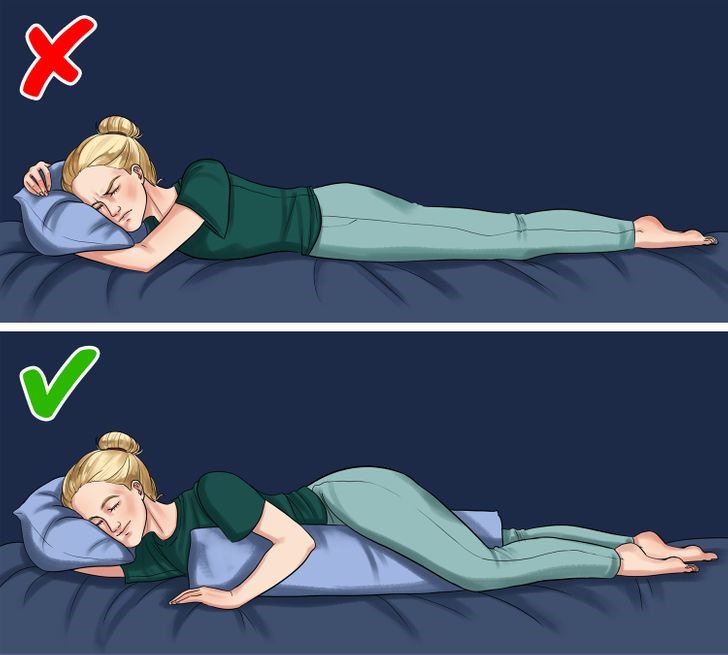
3. Your Bedtime Changes Dramatically Every Day
A routine that shifts by several hours between weekdays and weekends can create difficulties for some people.
Large differences in sleep timing may be associated with social jet lag and can make it harder to feel alert at the desired time.
A more consistent wake-up time may help reduce these shifts.
4. You Depend on Caffeine to Function
Coffee and other caffeinated drinks can improve alertness temporarily. However, using increasing amounts of caffeine to compensate for persistent sleep loss may create a cycle of fatigue and disrupted sleep.
Caffeine sensitivity varies, but consuming it late in the day can make falling asleep more difficult for many people.
5. You Experience Frequent Mood Changes
Poor sleep can affect patience, concentration, and emotional regulation.
If you become unusually irritable or overwhelmed after several nights of disrupted sleep, inadequate rest may be contributing.
Persistent mood changes can also have other causes, so sleep should not be assumed to be the only explanation.
6. You Snore Loudly or Wake Up Gasping
Loud, habitual snoring, witnessed pauses in breathing, waking up choking or gasping, and significant daytime sleepiness may indicate obstructive sleep apnea.
This condition causes repeated interruptions in breathing during sleep and can affect sleep quality and cardiovascular health.
Not everyone who snores has sleep apnea, and some people with the condition do not recognize their symptoms. Medical assessment is appropriate when these signs are present.
7. You Struggle to Concentrate During the Day
Difficulty focusing, slower reactions, and memory lapses can occur when sleep is insufficient or disrupted.
If these problems persist despite allowing adequate time for rest, it is worth investigating possible causes.
Excessive daytime sleepiness can also create safety risks. Anyone who feels sleepy while driving should stop driving as soon as it is safe to do so and arrange alternative transportation.
These signs do not diagnose a sleep disorder. They are reasons to review your habits and consider professional advice when problems persist.
Chapter 6: How Much Sleep Do Adults Really Need?
Sleep needs vary by age, individual biology, health status, and circumstances. Nevertheless, general recommendations provide a useful starting point.
Most adults aged 18 to 60 are advised to obtain at least seven hours of sleep per night on a regular basis. Many adults function best with approximately seven to nine hours, although individual needs differ.
Older adults may experience changes in sleep patterns, but they still need sufficient sleep for their health and daily functioning.
Children and teenagers generally require more sleep than adults because sleep supports growth, learning, and development.
The important point is that there is no universal number that guarantees perfect health.
A person who consistently sleeps seven hours and feels rested may have a different sleep requirement from someone who needs eight or nine hours to function well.
Quality matters, too. Frequent awakenings or untreated sleep disorders can leave someone feeling exhausted despite spending a long time in bed.