Few things are more frustrating than discovering unwanted pests inside your home. You may spot ants marching across the kitchen counter, fruit flies hovering around a bowl of ripe bananas, mosquitoes gathering near a doorway, or cockroaches appearing in the middle of the night. Even a clean and well-maintained home can occasionally attract insects, especially when food, moisture, warmth, and easy entry points are available.
As homeowners look for simple ways to keep these visitors away, natural do-it-yourself solutions have become increasingly popular. Social media is filled with suggestions involving vinegar, citrus peels, essential oils, herbs, and other everyday household ingredients. These methods appeal to people who want to avoid unnecessary chemical use, save money, and maintain a comfortable living environment without immediately reaching for commercial sprays.
One viral-style approach involves creating a simple natural deterrent from ingredients commonly found in the kitchen and placing it near areas where pests tend to appear. The idea is straightforward: certain smells may discourage some insects from approaching particular spaces, while a cleaner, drier, and less accessible environment makes the home less attractive to them.
But how well do these methods actually work? Can a homemade mixture keep unwanted pests out of your home, and which ingredients are worth trying?
The answer requires a little more than a quick recipe. Some household ingredients may help deter certain insects temporarily, but natural remedies do not all have the same level of evidence behind them. A mixture that appears to work against ants may have little effect on cockroaches, mosquitoes, or rodents. Some recipes circulating online may also be ineffective or unsafe when used incorrectly.
The good news is that you do not need an elaborate system to make your home less attractive to pests. A few sensible DIY measures, combined with basic prevention and targeted pest control when necessary, can make a meaningful difference.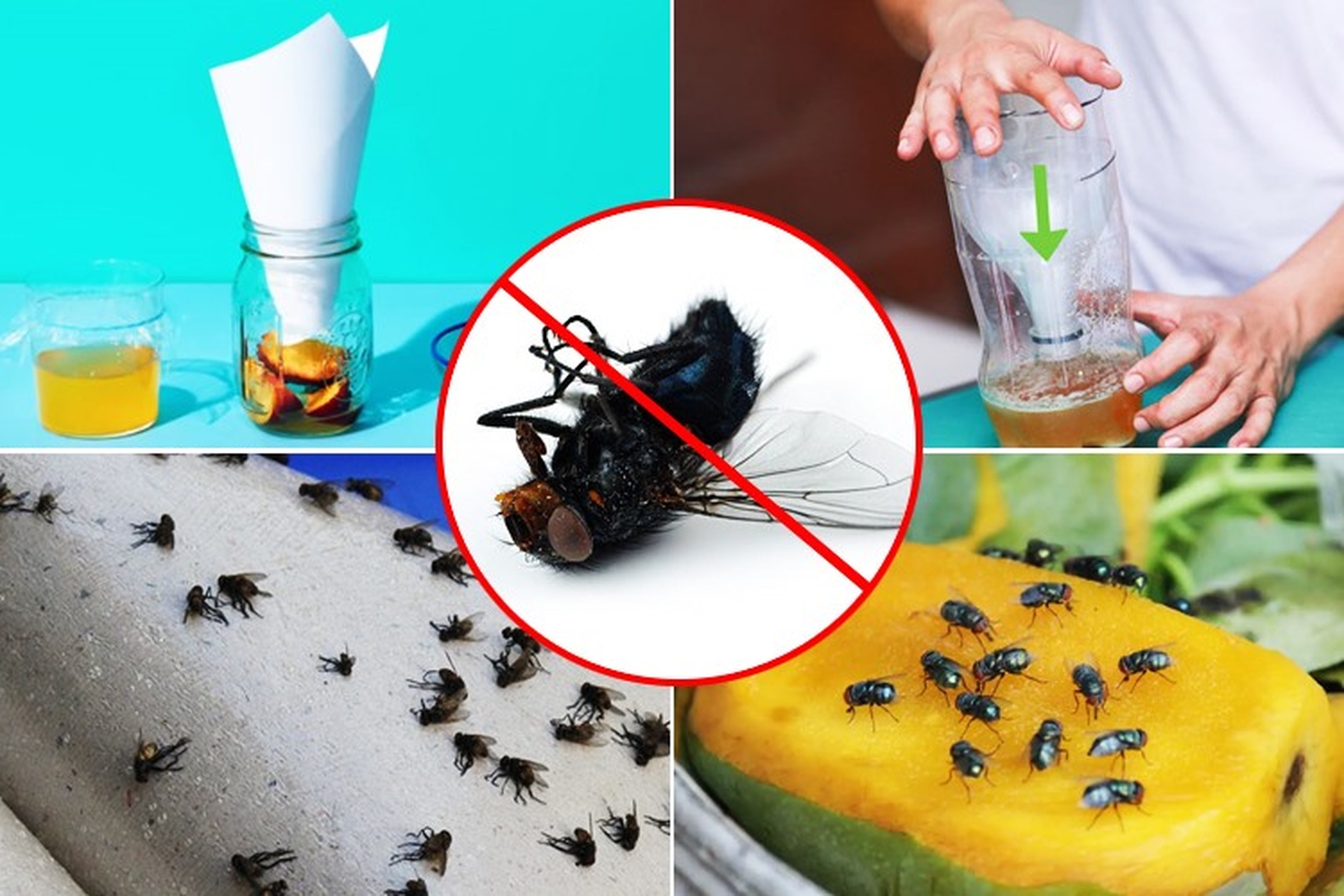
Why Natural Pest-Repellent Tricks Are Becoming So Popular
The growing interest in natural pest control reflects a broader desire to make household routines simpler, more affordable, and more mindful of the products used around children, pets, and food.
Many people prefer to begin with low-impact prevention rather than immediately applying an insecticide. They may want to reduce the number of products stored in their homes, avoid strong odors, or find alternatives for everyday situations in which a serious infestation has not yet developed.
Cost is another consideration. Ingredients such as vinegar, citrus fruits, and certain herbs are widely available. If a simple method helps reduce the number of insects appearing around a window or food-preparation area, it may seem like an attractive first step.
Social media has helped spread these ideas because they are easy to demonstrate. A short video showing someone mixing a few ingredients, placing the mixture in a small container, and using it around a home can make the process look effortless.
However, popularity should not be confused with scientific proof. An insect may disappear because the area was cleaned, the weather changed, a food source was removed, or the pest simply moved elsewhere. A video rarely establishes whether a homemade repellent caused the result.
That does not mean every natural method is useless. It means that the most practical approach is to understand what each ingredient may do, use it only where appropriate, and avoid relying on a homemade mixture when a pest problem requires a more effective intervention.
The Basic DIY Approach: Start With a Simple Natural Deterrent
A common household approach is to use a mild vinegar-based solution to help clean surfaces and remove some of the residues that attract insects. This is different from claiming that vinegar is a reliable insecticide or a universal pest repellent.
For a simple cleaning solution, mix equal parts white vinegar and water in a clearly labeled spray bottle. Apply it to suitable, washable surfaces, then wipe the area clean. Before using it on a large surface, test a small, inconspicuous section to make sure the material is compatible.
This mixture can be useful for ordinary cleaning in appropriate areas, but it should not be presented as a guaranteed way to drive pests away. Vinegar may affect the scent trails that ants use to navigate when those trails are wiped away, but cleaning alone does not eliminate an ant colony or prevent new ants from entering.
It is also important to recognize that vinegar is not suitable for every surface. It can damage natural stone such as marble and limestone, and it should not be used on materials whose manufacturer advises against acidic cleaners.
Never mix vinegar with bleach. Combining these products can release dangerous chlorine gas. Use household cleaning products separately, follow their labels, and ensure adequate ventilation.