New research reveals: One type of seafood has the highest microplastic concentration – no matter how much you love it, it's time to cut back.

The Most Widely Consumed Seafood Containing the Highest Levels of Microplastics
Ecologist Susanne Brander has warned that the proliferation of microplastics in the environment not only poses serious challenges to ecosystems but also presents significant and concerning risks to human health.
Microplastics, defined as plastic particles smaller than 5mm, are now commonly found in freshwater and marine environments. These particles are often ingested by marine organisms and can easily make their way into the human body through the food chain, causing adverse effects that remain poorly understood.
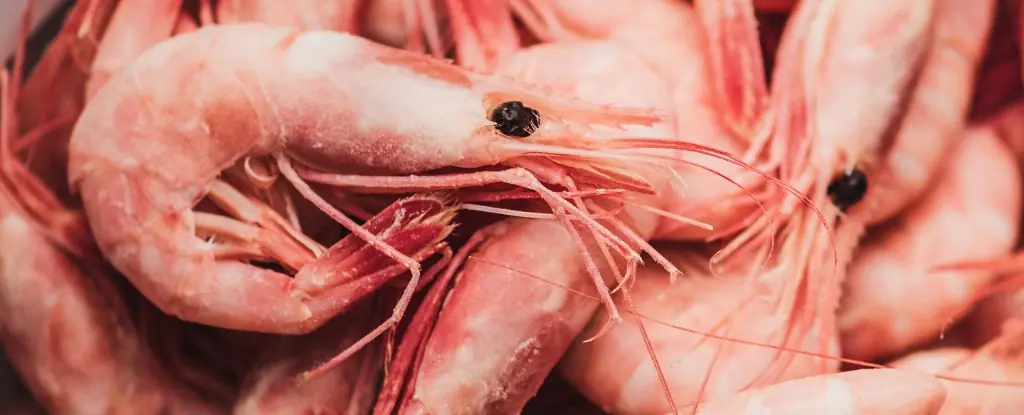
According to Science Alert, a recent study conducted in the Pacific Northwest, a region renowned for its abundant seafood, revealed the presence of microplastics in the edible tissues of most fish and shellfish species collected there.
Specifically, researchers analyzed 182 seafood samples either caught along the Oregon coast or purchased at local markets. The findings showed that only two samples were free of microplastics, while the majority were contaminated with microscopic plastic particles, including synthetic fibers from textiles, cellulose from paper, and tiny plastic fragments.
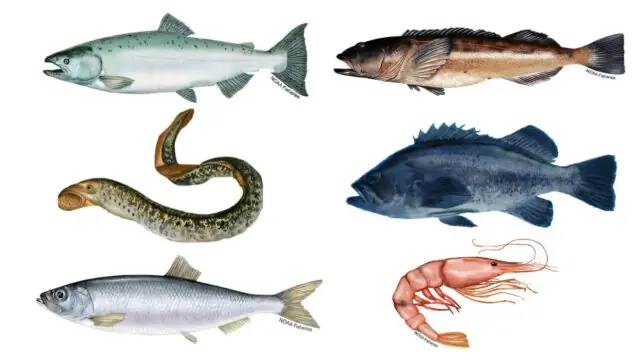
Affected species included Pacific rockfish, lingcod, Chinook salmon, Pacific lamprey, and pink shrimp. Notably, pink shrimp—one of the most widely consumed seafood species—contained the highest levels of microplastics.
Scientists explained that shrimp living in surface waters are frequently exposed to floating plastics and plankton, which may accumulate microplastics. A comparison between fresh shrimp and store-bought shrimp showed that the latter contained more plastic fibers, potentially due to packaging materials during processing.
Risks to Human Health
Ecologist Susanne Brander of Oregon State University emphasized that microplastics and synthetic fibers can move from the digestive systems of organisms to other tissues, such as blood vessels or muscles. This poses a threat not only to marine life but also to humans who consume these organisms.
Brander expressed concern, stating, “Human exposure to microplastics through food could lead to health consequences that we do not yet fully understand. However, the presence of plastic particles in the body indicates that the risk is real.”
Echoing this sentiment, ecologist Elise Granek from Portland State University remarked, “What we release into the environment ultimately returns to our dinner plates.”
Indeed, previous studies have shown that individuals who consume large amounts of seafood, particularly bivalves such as oysters and mussels, tend to accumulate more microplastics in their bodies. However, the specific health impacts of these particles remain a significant unanswered question under ongoing investigation.
Alarming Plastic Pollution Statistics
Climate scientists estimate that over 350 million tons of plastic are discarded annually, with less than 10% being recycled and over 20% directly released into the environment, causing severe pollution in natural ecosystems.
A study by environmental scientist Samuel Pottinger revealed that global plastic consumption in 2020 reached 547 million tons, of which 86% was virgin plastic and only 14% recycled.
Without drastic intervention, experts project global plastic consumption could soar to 749 million tons by 2050—a troubling figure that underscores humanity’s growing dependency on plastics and the escalating environmental consequences.
The Need for Urgent Action
Microplastic pollution is not just an environmental issue but also a direct threat to human health and survival. The infiltration of microplastics into the food chain, from marine organisms to humans, underscores the urgent need to reduce plastic consumption and raise public awareness.
To combat this crisis, experts call for increased recycling efforts, the adoption of environmentally friendly production technologies, and the implementation of policies to minimize plastic waste. Without prompt action, microplastics will continue to accumulate in ecosystems, threatening biodiversity and human health alike.