Thyroid cancer can develop quietly, and many people have no symptoms in the earliest stages. When symptoms do appear, they may look like ordinary thyroid or neck problems—a small lump, changes in the voice, difficulty swallowing, or swollen lymph nodes. Most of these symptoms have causes other than cancer, but persistent or unexplained changes deserve medical attention.
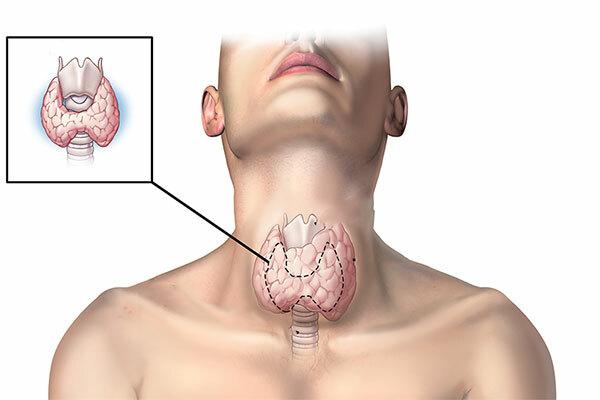
The thyroid is a small, butterfly-shaped gland located at the front of the neck. Although it is relatively small, it plays an important role in the body by producing hormones that help regulate metabolism, heart rate, body temperature, and energy use.
Because the thyroid sits close to the windpipe, esophagus, vocal cords, and lymph nodes, changes in or around the gland can sometimes produce noticeable symptoms in the neck.
The challenge is that thyroid cancer can resemble many benign conditions.
A thyroid nodule, for example, is common and is very often noncancerous. A sore throat may simply be an infection. A hoarse voice can follow a cold or excessive voice use.
So the purpose of recognizing potential warning signs is not to diagnose yourself.
It is to know when a symptom has lasted long enough, changed enough, or appeared in a concerning enough pattern that it should be evaluated.
1. A New Lump or Nodule in the Neck
One of the most recognizable signs associated with thyroid cancer is a new lump or nodule in the lower front part of the neck.
A person may notice it while looking in the mirror, shaving, applying makeup, or touching the neck.
Sometimes the lump is painless.
It may remain small for quite some time and may not cause any other symptoms.
This can understandably make people nervous, but there is an important point to remember:
Most thyroid nodules are not thyroid cancer.
Thyroid nodules are relatively common, particularly as people get older. Many are benign and never cause serious problems.
What makes a neck lump worth checking is not simply its existence, but factors such as whether it is new, growing, firm, persistent, or accompanied by other symptoms.
A healthcare professional may examine the neck and recommend an ultrasound to look more closely at the thyroid.
2. Persistent Hoarseness or a Change in Your Voice
Your voice depends on the coordinated movement of structures around the vocal cords.
Because the thyroid is located close to the voice box and important nerves that control the vocal cords, a thyroid-related problem can sometimes affect the voice.
You may notice that your voice becomes:
-
Hoarse
-
Raspy
-
Weak
-
Deeper or different from usual
-
Difficult to project
A temporary change in the voice is extremely common.
A cold, allergies, acid reflux, smoking, vocal strain, and other conditions can all cause hoarseness.
The important factor is persistence.
If your voice remains noticeably hoarse for an extended period without an obvious explanation, particularly if the change is new, it deserves medical evaluation.
A persistent voice change does not mean thyroid cancer is present. It simply means that the underlying cause should be identified.
3. Difficulty Swallowing
Another potential warning sign is difficulty swallowing, sometimes called dysphagia.
You may feel as though food is getting stuck in your throat.
Some people describe a pressure or fullness in the lower neck.
Others notice that swallowing pills or solid foods has become more difficult.
Because the thyroid sits close to the esophagus and other structures in the neck, an enlarged thyroid nodule or mass can sometimes create pressure in the surrounding area.
But difficulty swallowing has many more common causes.
Acid reflux, throat inflammation, neurological conditions, esophageal disorders, and other problems can all interfere with swallowing.
That is why persistent swallowing difficulties should not automatically be attributed to the thyroid.
If the symptom continues, becomes progressively worse, or affects your ability to eat and drink normally, professional assessment is important.
4. Trouble Breathing or a Feeling of Pressure in the Neck
A growing thyroid mass can sometimes press against the trachea, or windpipe.
This may create a sensation of pressure or fullness in the neck.
Some people describe it as:
“Something is pressing on my throat.”
Others may notice shortness of breath, noisy breathing, or discomfort when lying flat.
Again, there are many possible explanations for breathing difficulties, and most are unrelated to thyroid cancer.
Asthma, respiratory infections, allergies, heart conditions, anxiety, and other problems can cause shortness of breath.
But new or unexplained breathing difficulty should never be ignored, particularly when it occurs together with a neck lump or rapidly increasing swelling.
Severe difficulty breathing is an emergency and requires immediate medical attention.
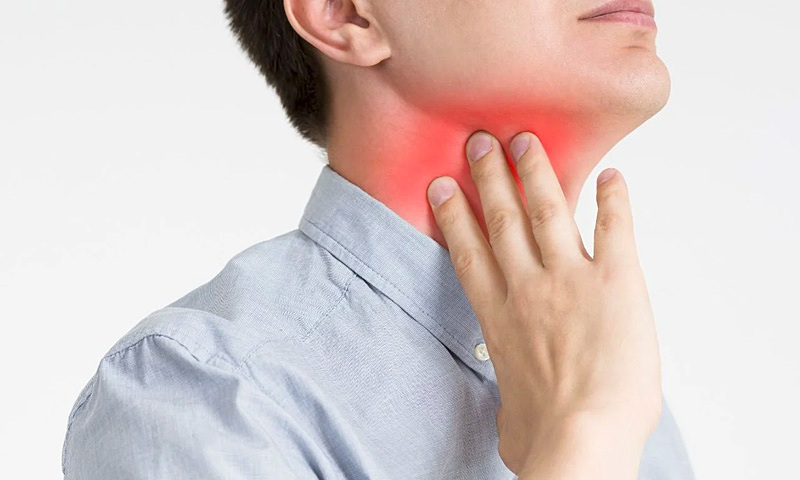
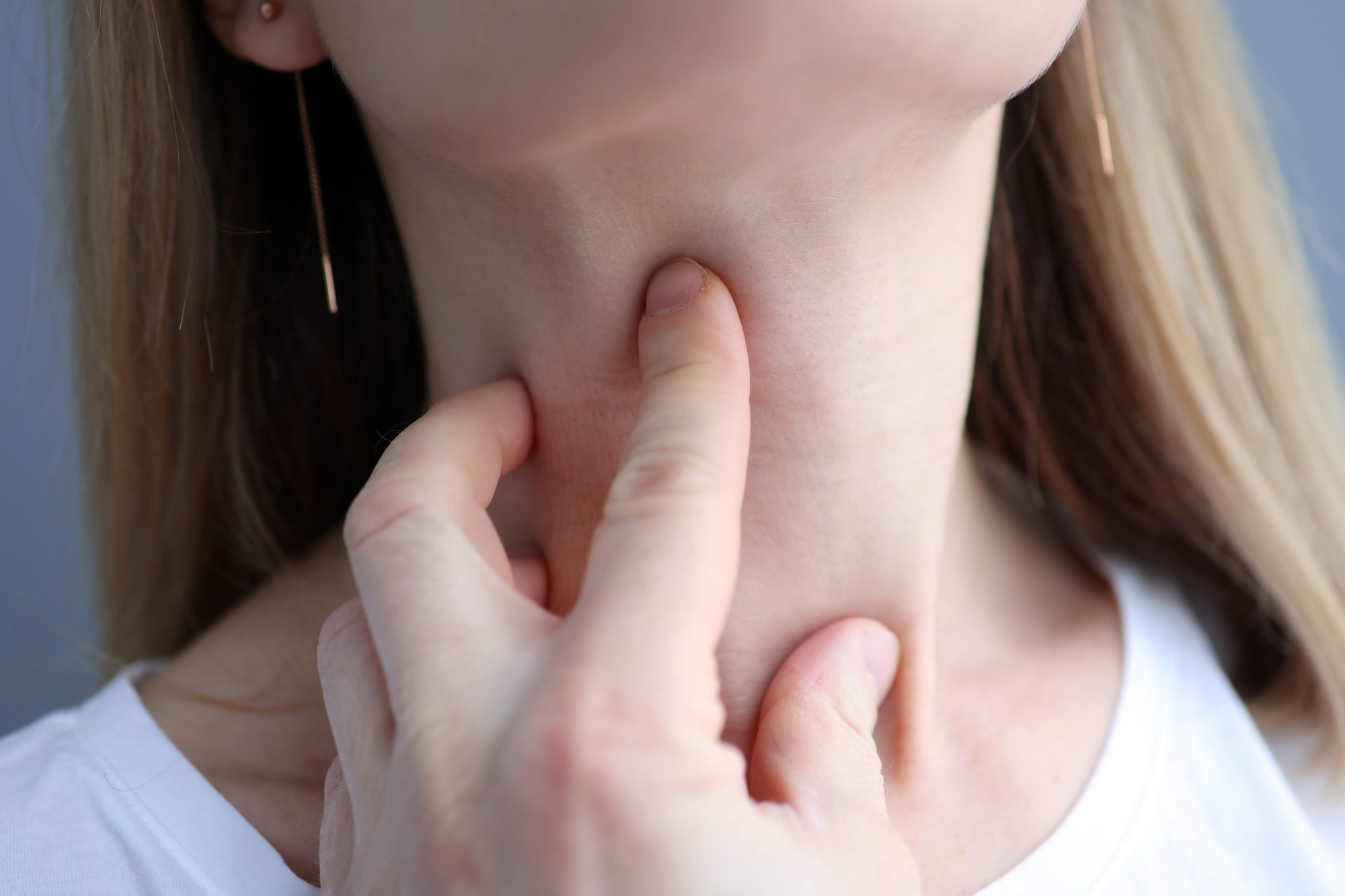
5. Swollen Lymph Nodes in the Neck
Another possible sign is enlarged lymph nodes in the neck.
Lymph nodes are part of the immune system and often become temporarily enlarged when your body is fighting an infection.
A cold, sore throat, dental infection, or other common illness can cause swollen lymph nodes.
For that reason, finding a swollen lymph node does not mean you have cancer.
However, a lymph node that remains enlarged without an obvious infection, continues to grow, feels unusually firm, or occurs alongside another persistent neck abnormality should be assessed.
In some thyroid cancers, cancer cells can spread to nearby lymph nodes.
The presence of an enlarged lymph node alone is not enough to determine what is happening.
A clinician may need to examine the node and, depending on the circumstances, use ultrasound or other tests.
Why Thyroid Cancer Can Be Difficult to Notice
One reason thyroid cancer can be challenging to recognize is that many people have no obvious symptoms in the early stages.
A small thyroid cancer may be discovered accidentally during an examination or imaging study performed for another reason.
This is why the absence of symptoms does not completely rule out thyroid cancer.
At the same time, the presence of one of the symptoms discussed above does not prove that cancer is present.
Both points are important.
Symptoms are clues.
They are not diagnoses.
What Causes Thyroid Cancer?
Thyroid cancer develops when abnormal thyroid cells begin growing uncontrollably.
There are several types of thyroid cancer, and they do not all behave in the same way.
The most common types include:
Papillary thyroid cancer
This is the most common type and often grows relatively slowly.
Follicular thyroid cancer
This is another differentiated thyroid cancer that can behave differently from papillary cancer.
Medullary thyroid cancer
This develops from specialized thyroid cells called C cells and can occur sporadically or as part of certain inherited conditions.
Anaplastic thyroid cancer
This is rare but much more aggressive and tends to occur in older adults.
Because these cancers behave differently, treatment and outlook depend heavily on the specific diagnosis.
Risk Factors You Should Know
Certain factors can increase the likelihood of developing thyroid cancer.
One important risk factor is previous exposure to significant radiation, particularly radiation involving the head or neck.
A family history can also matter, especially for certain inherited forms of thyroid cancer.
Other factors include age, sex, and certain inherited genetic conditions.
Having a risk factor does not mean you will develop thyroid cancer.
Likewise, people without obvious risk factors can still develop it.
What About Thyroid Problems That Aren't Cancer?
This is an important distinction because many thyroid symptoms are caused by conditions that have nothing to do with cancer.
For example, people can develop:
-
Hypothyroidism
-
Hyperthyroidism
-
Thyroiditis
-
Benign thyroid nodules
-
Goiter
These conditions can cause symptoms such as fatigue, weight changes, sensitivity to heat or cold, changes in heart rate, neck fullness, or difficulty swallowing.
Thyroid cancer does not usually present simply as “my thyroid feels abnormal.”
Doctors use a combination of examination, laboratory testing, imaging, and sometimes biopsy to determine what is actually happening.
How Is a Thyroid Nodule Evaluated?
If a healthcare professional finds a thyroid nodule, the next step depends on its size, appearance, and the person's individual risk factors.
An ultrasound is commonly used to examine the thyroid.
It can provide information about:
-
The size of the nodule
-
Whether it is solid or fluid-filled
-
Its shape
-
Its borders
-
Internal characteristics
-
Features that may make a nodule more or less suspicious
Not every thyroid nodule requires a biopsy.
When indicated, a procedure called fine-needle aspiration may be used to collect cells from the nodule for examination.
This helps distinguish many benign nodules from those that require further treatment.
Blood Tests Don't Tell the Whole Story
People sometimes assume that a routine thyroid blood test can determine whether they have thyroid cancer.
It cannot.
Tests such as TSH and other thyroid hormone measurements are useful for evaluating thyroid function.
But thyroid cancer can occur in people whose thyroid hormone levels are completely normal.
This is why a normal thyroid blood test does not necessarily rule out a thyroid nodule or thyroid cancer.
When a structural abnormality is suspected, imaging and sometimes tissue sampling are more informative.
When Should You Talk to a Healthcare Professional?
A neck symptom deserves more attention when it is new, persistent, unexplained, or progressively worsening.
Consider making an appointment if you notice:
A new lump in the neck
A neck lump that is increasing in size
Persistent hoarseness
Ongoing difficulty swallowing
Persistent pressure in the neck
Unexplained swollen lymph nodes
A combination of several of these symptoms
The goal is not to assume cancer.
The goal is to identify the cause.
When Is It an Emergency?
Most thyroid-related symptoms are not emergencies.
But severe breathing difficulty or rapidly increasing swelling of the neck can potentially interfere with the airway.
Seek emergency medical assistance if you experience significant difficulty breathing, inability to swallow normally, rapidly worsening neck swelling, or other severe symptoms.
Do not wait for a routine appointment in a situation involving compromised breathing.
Can You Prevent Thyroid Cancer?
There is no guaranteed way to prevent thyroid cancer.
However, knowing your family history can be useful.
People with certain inherited syndromes may need specialized screening or genetic counseling.
Avoiding unnecessary radiation exposure is also sensible, while recognizing that medically necessary imaging should not be refused simply because of fear of radiation.
If you develop a persistent neck abnormality, getting it checked rather than repeatedly ignoring it is another practical step.
Don't Let a List of Symptoms Create Panic
It is easy to read an article like this and recognize yourself in several symptoms.
Perhaps you've had a hoarse voice after a cold.
Maybe you've noticed a slightly enlarged lymph node.
Perhaps swallowing feels different occasionally when you have acid reflux.
That doesn't mean you have thyroid cancer.
Many of these symptoms are far more commonly caused by benign conditions.
The value of knowing the warning signs is simply that persistent or unexplained changes shouldn't be dismissed indefinitely.
A medical evaluation can often provide reassurance.
And if something does need treatment, finding it earlier can be valuable.
The Bottom Line
Thyroid cancer can sometimes cause noticeable changes in the neck, particularly as a tumor grows.
Five signs worth knowing are:
A new or enlarging neck lump or thyroid nodule
Persistent hoarseness or a change in voice
Difficulty swallowing
Unexplained pressure or difficulty breathing
Persistent swollen lymph nodes in the neck
But these symptoms are not specific to thyroid cancer, and most people who experience one of them do not necessarily have cancer.
The most important factor is the pattern.
A symptom that appears briefly during a cold is very different from a new neck lump that continues growing for weeks.
A voice that is temporarily hoarse after shouting is different from unexplained hoarseness that persists.
When a change is new, persistent, or getting worse, the best response is not to panic or self-diagnose.
Have it evaluated.
Sometimes the explanation is simple and reassuring. Sometimes further testing is needed. Either way, knowing what is happening is far more useful than guessing.