Dietary supplements have become increasingly popular as people look for ways to support their health, boost energy, strengthen immunity, or fill nutritional gaps. While many supplements can be beneficial when used appropriately, it's important to remember that "natural" does not always mean "risk-free." Some supplements may interact with medications, affect hormone levels, or contain ingredients that require further study regarding their long-term safety.
In recent years, researchers have explored whether certain supplements or high-dose nutrients could influence thyroid health, including their possible relationship with thyroid cancer. However, it's essential to understand that current research has not established that any commonly used dietary supplement directly causes thyroid cancer. Some studies have suggested possible associations, while others have found no significant link. More research is needed before firm conclusions can be drawn.
This article examines two supplement ingredients that researchers have investigated, explains what current evidence suggests, and offers practical advice for supporting thyroid health safely.

Understanding the Thyroid Gland
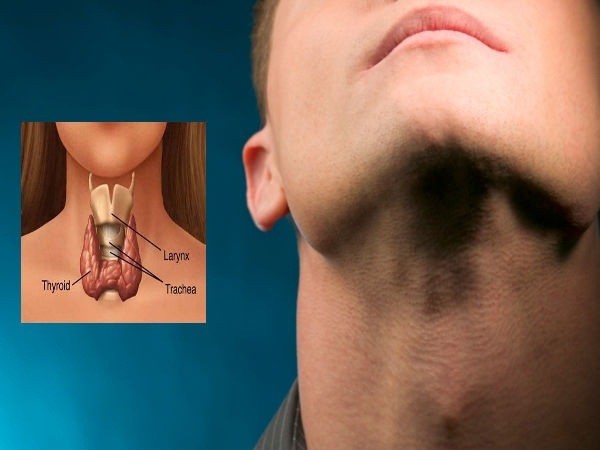
The thyroid is a small, butterfly-shaped gland located at the front of the neck.
Despite its size, it plays a major role in regulating many body functions by producing thyroid hormones.
These hormones help control:
-
Metabolism
-
Body temperature
-
Heart rate
-
Energy production
-
Growth and development
-
Brain function
Maintaining healthy thyroid function depends on a balanced intake of nutrients, proper medical care, and regular monitoring for those at risk of thyroid disease.
What Is Thyroid Cancer?
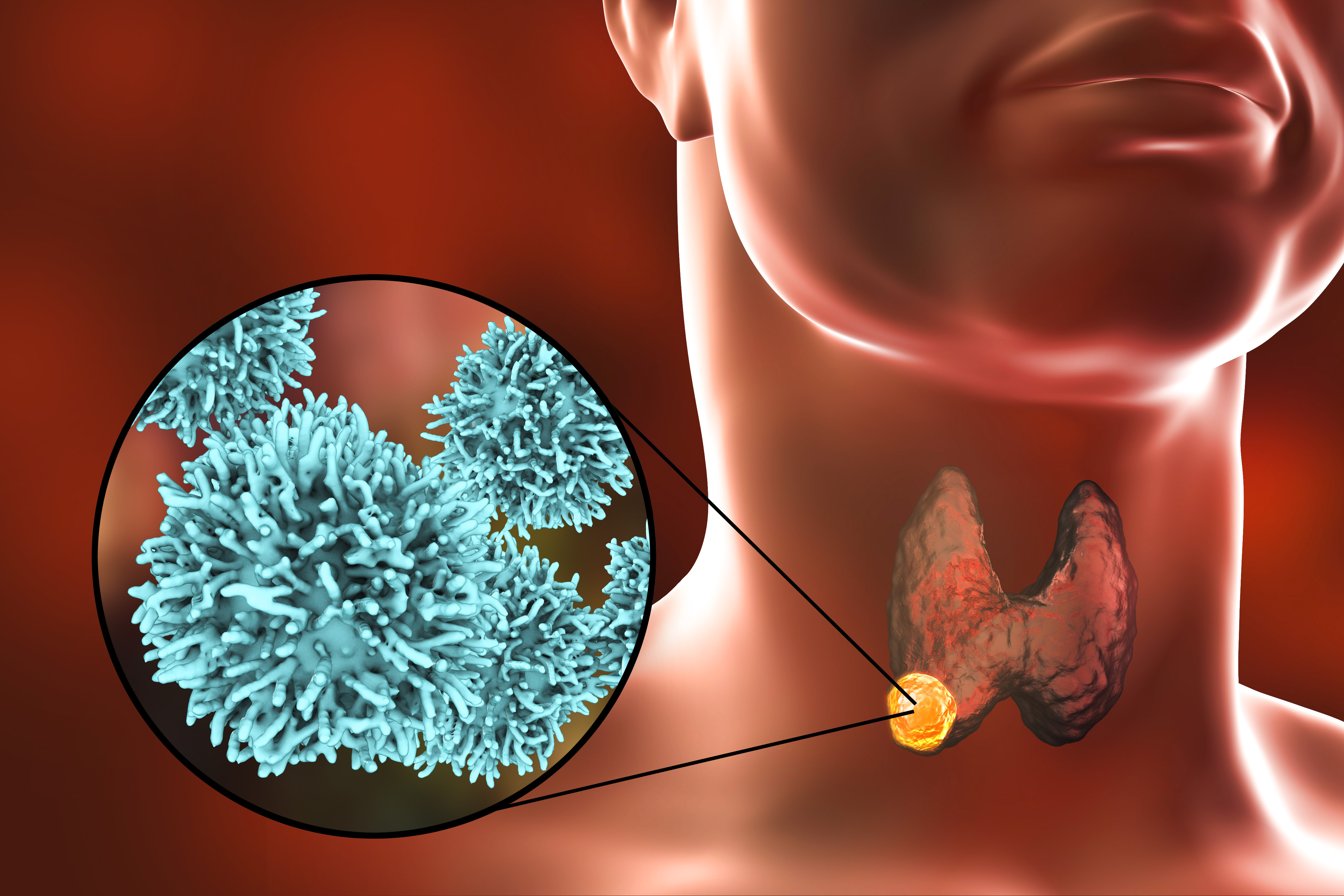
Thyroid cancer develops when abnormal cells begin growing uncontrollably within the thyroid gland.
The most common types include:
-
Papillary thyroid cancer
-
Follicular thyroid cancer
-
Medullary thyroid cancer
-
Anaplastic thyroid cancer (rare)
Fortunately, many thyroid cancers—particularly papillary thyroid cancer—have excellent outcomes when detected and treated early.
Risk Factors for Thyroid Cancer
Researchers have identified several well-established risk factors.
These include:
-
Exposure to ionizing radiation, especially during childhood
-
Family history of thyroid cancer
-
Certain inherited genetic syndromes
-
Female sex
-
Increasing age (for some types)
-
Certain thyroid conditions
The role of nutrition and supplements remains an area of ongoing investigation.
Can Supplements Increase Thyroid Cancer Risk?
At present, there is no strong evidence that commonly used dietary supplements directly cause thyroid cancer.
However, researchers continue studying whether excessive intake of certain nutrients—or supplements contaminated with unwanted substances—might influence thyroid health.
Two ingredients frequently discussed in scientific research are iodine and selenium.
1. Iodine: Essential but Harmful in Excess
Iodine is one of the most important nutrients for thyroid function.
The thyroid uses iodine to produce:
-
Thyroxine (T4)
-
Triiodothyronine (T3)
Without enough iodine, the thyroid cannot produce sufficient hormones.
However, more is not always better.
Why Iodine Matters
Adequate iodine intake helps prevent:
-
Goiter
-
Iodine deficiency
-
Certain thyroid disorders
Many countries reduce iodine deficiency through iodized salt programs.
Can Too Much Iodine Be Harmful?
Yes.
Very high iodine intake may affect thyroid function in susceptible individuals.
Research suggests that excessive iodine intake may contribute to:
-
Hyperthyroidism
-
Hypothyroidism
-
Autoimmune thyroid disease
-
Changes in thyroid tissue
Some studies have explored whether long-term excessive iodine intake might influence certain thyroid cancers, but the evidence remains inconsistent.
Current research does not prove that iodine supplements cause thyroid cancer.
Who Should Be Careful With Iodine Supplements?
Talk to your healthcare provider before taking high-dose iodine supplements if you have:
-
Thyroid nodules
-
Graves' disease
-
Hashimoto's thyroiditis
-
Hyperthyroidism
-
Existing thyroid disease
Most healthy adults obtain adequate iodine through food.
Food Sources of Iodine
Natural dietary sources include:
-
Seafood
-
Dairy products
-
Eggs
-
Iodized salt
-
Seaweed
It's worth noting that some seaweed products contain very high levels of iodine, which can vary considerably depending on the species.
2. Selenium: An Important Nutrient Under Investigation
Selenium is another essential mineral involved in thyroid health.
The thyroid contains more selenium per gram of tissue than many other organs.
Selenium helps:
-
Protect thyroid cells from oxidative stress
-
Support thyroid hormone metabolism
-
Contribute to immune function
Can Selenium Prevent Thyroid Disease?
Research has examined selenium supplementation in several thyroid conditions.
Some studies suggest it may help certain individuals with autoimmune thyroid disease, while others show little or no benefit.
Current medical guidelines do not recommend selenium supplements for everyone.
What About Thyroid Cancer?
Researchers continue investigating whether selenium status influences thyroid cancer risk.
Some observational studies have suggested possible associations between low selenium levels and certain thyroid diseases.
However:
-
Results have been inconsistent.
-
Cause-and-effect has not been established.
-
More high-quality research is needed.
There is no convincing evidence that selenium supplements prevent or cause thyroid cancer in the general population.
Can Too Much Selenium Be Harmful?
Yes.
Excessive selenium intake may cause selenosis, a condition associated with symptoms such as:
-
Hair loss
-
Brittle nails
-
Nausea
-
Fatigue
-
Garlic-like breath odor
-
Nerve problems
Always follow recommended dosages.
Other Supplement Considerations
Although iodine and selenium receive much attention, researchers are also interested in the overall quality and safety of dietary supplements.
Some products have been found to contain:
-
Incorrect ingredient amounts
-
Unlisted ingredients
-
Heavy metals
-
Contaminants
Choosing supplements from reputable manufacturers that undergo third-party quality testing may reduce these risks.
Supplements and Medication Interactions
Some supplements may interfere with thyroid medications.
For example:
Calcium Supplements
Calcium may reduce absorption of levothyroxine if taken at the same time.
Iron Supplements
Iron can also interfere with thyroid hormone absorption.
High-Fiber Supplements
Large amounts of fiber may affect medication absorption in some individuals.
If you take thyroid medication, ask your healthcare provider about appropriate timing.
Can Diet Support Thyroid Health?
Yes.
A balanced diet provides many nutrients important for thyroid function.
Foods that contribute to overall thyroid health include:
-
Fish
-
Eggs
-
Dairy products
-
Whole grains
-
Fruits
-
Vegetables
-
Nuts
-
Legumes
Rather than relying on supplements alone, most healthy adults benefit from obtaining nutrients primarily through food.
Lifestyle Habits That Support Thyroid Health
In addition to balanced nutrition:
-
Avoid smoking.
-
Exercise regularly.
-
Get adequate sleep.
-
Manage stress.
-
Attend routine medical checkups.
-
Follow treatment plans if diagnosed with thyroid disease.
These habits support overall endocrine health.
Common Symptoms of Thyroid Disorders
Although thyroid cancer often causes no symptoms early on, thyroid conditions in general may cause:
-
Neck swelling
-
A lump in the neck
-
Hoarseness
-
Difficulty swallowing
-
Persistent cough not related to a cold
-
Fatigue
-
Weight changes
-
Temperature intolerance
Most of these symptoms are far more commonly caused by non-cancerous thyroid conditions.
Persistent symptoms should be evaluated by a healthcare professional.
When Should You See a Doctor?
Arrange a medical evaluation if you notice:
-
A new lump in your neck
-
Persistent hoarseness
-
Difficulty swallowing
-
Enlarged thyroid gland
-
Family history of thyroid cancer
-
Symptoms of thyroid hormone imbalance
Early evaluation helps determine the cause and whether further testing is needed.
Common Myths About Thyroid Supplements
Myth 1: More Iodine Is Always Better
False.
Both iodine deficiency and excessive iodine intake can affect thyroid function.
Myth 2: Selenium Prevents Thyroid Cancer
Current evidence does not support using selenium supplements to prevent thyroid cancer in the general population.
Myth 3: Natural Supplements Are Always Safe
Natural products may still cause side effects, interact with medications, or contain contaminants.
Myth 4: Everyone Needs Thyroid Supplements
Most healthy people obtain adequate nutrients through a balanced diet and do not require specialized thyroid supplements.
Tips for Choosing Supplements Wisely
If you're considering a supplement:
-
Discuss it with your healthcare provider, especially if you have thyroid disease.
-
Avoid taking more than the recommended dose unless medically advised.
-
Choose products from reputable manufacturers that use third-party testing.
-
Inform your doctor about all supplements you take, particularly before blood tests or surgery.
Personalized guidance is especially important if you are pregnant, breastfeeding, or taking prescription medications.
The Bottom Line
Researchers continue studying how nutrients such as iodine and selenium influence thyroid health. Both are essential for normal thyroid function, but taking excessive amounts of either nutrient may affect the thyroid in some individuals. At this time, there is no convincing scientific evidence that these supplements directly cause thyroid cancer, nor is there evidence that taking them prevents thyroid cancer in the general population.
The healthiest approach is to obtain nutrients from a balanced diet whenever possible and to use supplements only when there is a clear need or when recommended by a healthcare professional.
Final Thoughts
Your thyroid depends on a delicate balance of nutrients—not too little and not too much. While dietary supplements can play an important role in addressing specific deficiencies, they are not a substitute for a nutritious diet or regular medical care. Current research into iodine, selenium, and thyroid cancer is ongoing, and scientists continue to investigate how these nutrients affect long-term thyroid health.
If you have concerns about your thyroid, notice a lump in your neck, experience persistent hoarseness, or are considering high-dose supplements, speak with your healthcare provider before making changes. Choosing evidence-based information over sensational headlines is one of the best ways to protect both your thyroid and your overall health.