Top 10 “Healthiest Foods in the World” — Many You Still Think Are Harmful
A recent large-scale global study published in PLOS One analyzed more than 1,000 commonly consumed foods and identified the 10 foods rated as the healthiest overall. These foods were found to benefit not only cardiovascular health but also provide clear advantages for the nervous system and cognitive function.
Many people begin to worry about brain health after the age of 40, as memory declines, thinking slows, and the risks of dementia and Alzheimer’s disease gradually increase over time. In this context, the PLOS One study offers valuable insights by evaluating over 1,000 familiar foods and ranking the top 10 based on scientific data, focusing on their positive effects on both heart health and brain function.
The list includes nuts, leafy greens, several types of marine fish—and surprisingly, even lard. It should be emphasized, however, that this ranking is data-driven and intended for reference, as some foods may be difficult to access in certain regions. Practical application should therefore be adapted to local conditions.
The 10 standout foods and why they made the list
First, nuts such as almonds, walnuts, and pine nuts. These are rich in healthy fats, vitamin E, and magnesium, which help combat oxidative stress and protect neuronal cell membranes. Studies have linked them to a reduced risk of memory decline and Alzheimer’s disease.
Second, fruits such as avocados, bananas, and papayas. They provide fiber, B vitamins, and antioxidants that support neurotransmitter metabolism, benefiting memory and emotional regulation.
Third and fourth, marine fish such as sea bass, sea bream, flounder, and sole. These fish are high in omega-3 fatty acids, vitamin B12, vitamin D, and selenium, which improve cerebral blood flow, support neural repair, and help maintain cognitive function.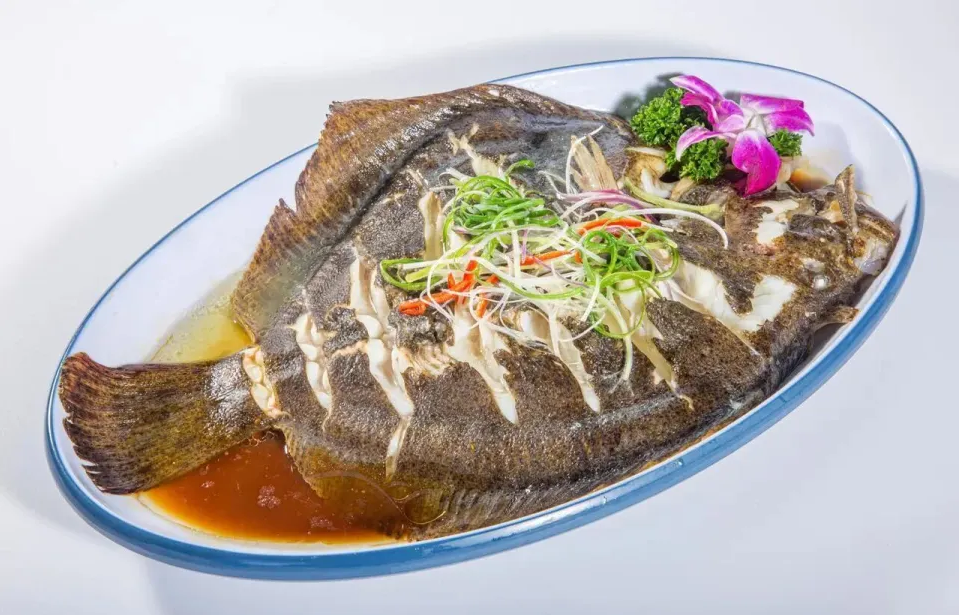
Fifth and sixth, seeds including chia seeds, flaxseeds, pumpkin seeds, and sesame seeds. They are excellent sources of alpha-linolenic acid, zinc, iron, and fiber, offering anti-inflammatory effects and supporting both brain energy metabolism and vascular health.
Seventh and eighth, dark leafy greens such as Swiss chard, spinach, kale, amaranth, and rapeseed greens. These vegetables are rich in vitamins A, C, K, folate, and antioxidants, which protect cerebral blood vessels, reduce oxidative stress, and help slow cognitive decline.
Ninth, pork lard—but only in very small amounts. Lard contains monounsaturated fats and natural cholesterol, which are necessary for maintaining the structure of neuronal cell membranes. Researchers stress that low dosage is critical, and it should not be used frequently or at excessively high cooking temperatures.
Finally, sea bream, which is rich in omega-3s, vitamin D, vitamin E, and selenium. These nutrients help reduce inflammation, support nervous system function, and slow brain aging.
No single food can “save” the brain. However, a diverse, balanced diet rich in vegetables, fish, nuts, and healthy fats can significantly reduce the risk of cognitive decline. For individuals with limited financial means, choosing locally available, more affordable foods with similar nutritional profiles can still provide long-term brain protection.