Electric Vehicles Can Change the Equation
Electric vehicles have become increasingly common, and charging one at home can represent a substantial additional electrical load.
An electric vehicle battery holds much more energy than a smartphone or laptop.
So regular charging can noticeably increase household electricity consumption.
This doesn't mean owning an EV is a bad choice.
It simply means the household's energy pattern changes.
A family that previously had a low electricity bill may see consumption rise after replacing a gasoline-powered vehicle with an electric one.
The car may now become one of the home's largest electricity loads.
Pool Equipment Can Also Add Up
If your home has a swimming pool, don't overlook its equipment.
Pool pumps can operate for several hours.
Pool heaters can use even more energy, depending on the technology and operating conditions.
A pool may therefore become a significant seasonal contributor to electricity usage.
Again, the key is the combination of power and operating time.
A pump that looks modest on its own can consume substantial energy when running many hours every day.
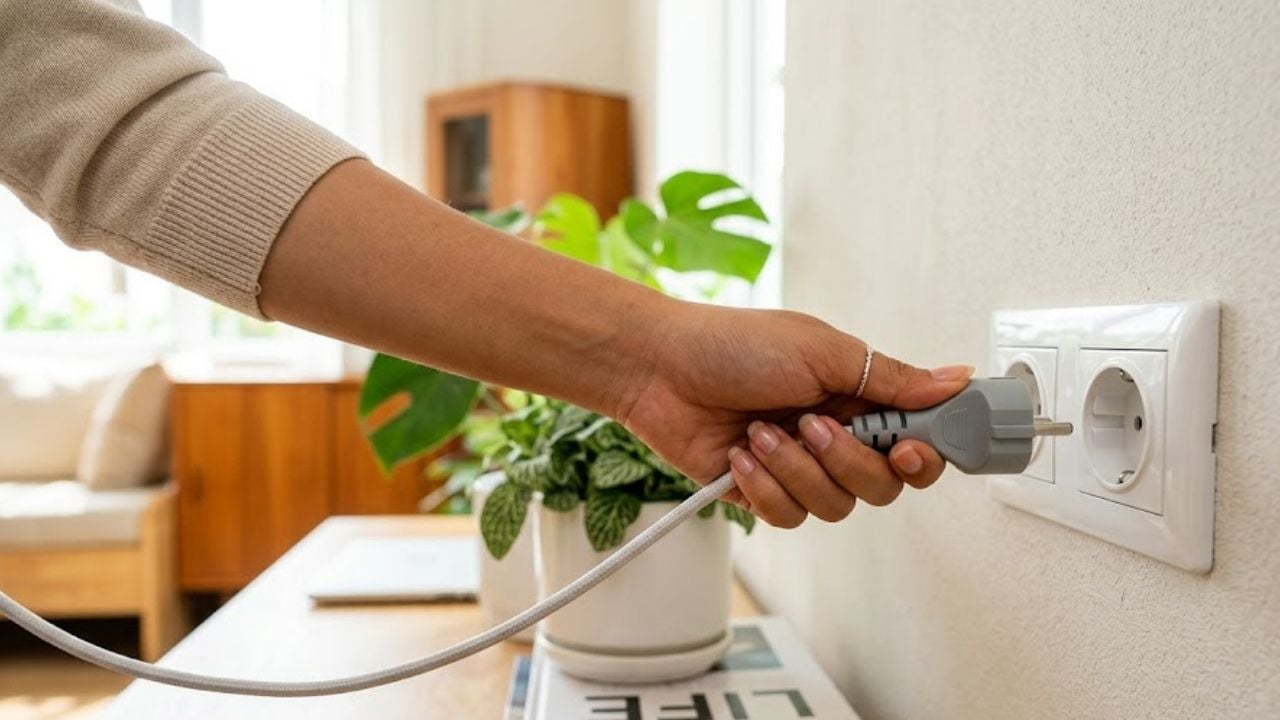
Why Older Appliances Can Cost More
Technology has changed significantly over the years.
Older refrigerators, air conditioners, water heaters, washing machines, dryers, and other appliances can be less efficient than newer models.
That doesn't mean replacing every old appliance immediately is financially sensible.
A replacement costs money.
But when an older appliance is nearing the end of its useful life and consumes significantly more energy than modern alternatives, efficiency can become part of the decision.
The ideal time to replace something is not necessarily “as soon as possible.”
Instead, consider:
Age
Condition
Repair costs
Energy use
Expected remaining lifespan
Replacement cost
Expected savings
Why Dirty Filters Can Increase Energy Use
Air conditioning and heating systems rely on proper airflow.
A heavily clogged filter can make it harder for air to move through the system.
That may reduce comfort and potentially increase the workload.
The exact effect depends on the system and the severity of blockage, but regular maintenance is an important part of keeping HVAC equipment operating properly.
Follow the manufacturer's instructions regarding filter inspection and replacement.
The same principle applies to other appliances.
Poor maintenance can reduce efficiency.
A Small Setting Change Can Add Up Over a Month
Let's say you reduce the amount of time a major appliance operates by just one hour per day.
That sounds insignificant.
But over thirty days, you've removed roughly 30 hours of operation.
For a major electrical load, those hours can matter.
This is why small adjustments to recurring habits can produce more meaningful savings than one-off tricks.
Turning off an unnecessary light for thirty minutes is fine.
But reducing the operating time of a high-energy appliance every day can have a much larger cumulative effect.
Don't Cool Empty Rooms Without a Reason
If your home has multiple rooms or separate cooling zones, there may be opportunities to reduce unnecessary conditioning.
Why cool a room nobody is using all day?
In some homes, closing doors or adjusting zoning controls can reduce the amount of space that needs active heating or cooling.
However, you should not shut vents or close off areas in ways that conflict with your HVAC system's design.
Improper airflow can create problems.
Use zoning and thermostat settings according to the system's instructions.
Ceiling Fans Can Help You Feel Cooler
Ceiling fans do not necessarily reduce the air temperature dramatically.
Instead, they can improve air movement across your skin, creating a cooling sensation.
That means you may be comfortable at a slightly higher thermostat setting while still feeling cool.
A fan can therefore complement an air conditioner.
But remember to turn fans off in empty rooms.
Fans cool people, not empty spaces.
Running one for hours in an unoccupied room provides little benefit.
Curtains Can Do More Than Improve Privacy
Window coverings aren't just decorative.
During hot, sunny periods, appropriate curtains or blinds can reduce solar heat entering a room.
During cold periods, some window coverings can also reduce heat loss, depending on their construction and how they are used.
This is especially useful in rooms with large windows.
A small change in solar heat gain can affect how frequently cooling equipment needs to operate.
Sealing Gaps Can Be Surprisingly Effective
Look around exterior doors.
Look around windows.
Check obvious cracks.
Inspect areas where pipes or wires enter the building.
Small air leaks may seem harmless individually.
But collectively, they can allow conditioned air to escape and outdoor air to enter.
Weather stripping and appropriate caulking can be relatively inexpensive improvements compared with replacing an entire HVAC system.
The best strategy depends on the specific building, but sealing obvious gaps can be a smart place to start.
The Thermostat Isn't the Only Control You Have
Your electricity consumption is affected by more than the thermostat setting.