What Are Warts?
Warts are benign skin growths caused by the Human Papillomavirus (HPV). When the virus enters the body through tiny cuts or abrasions on the skin, it triggers rapid cell growth, resulting in the characteristic bumpy texture of a wart.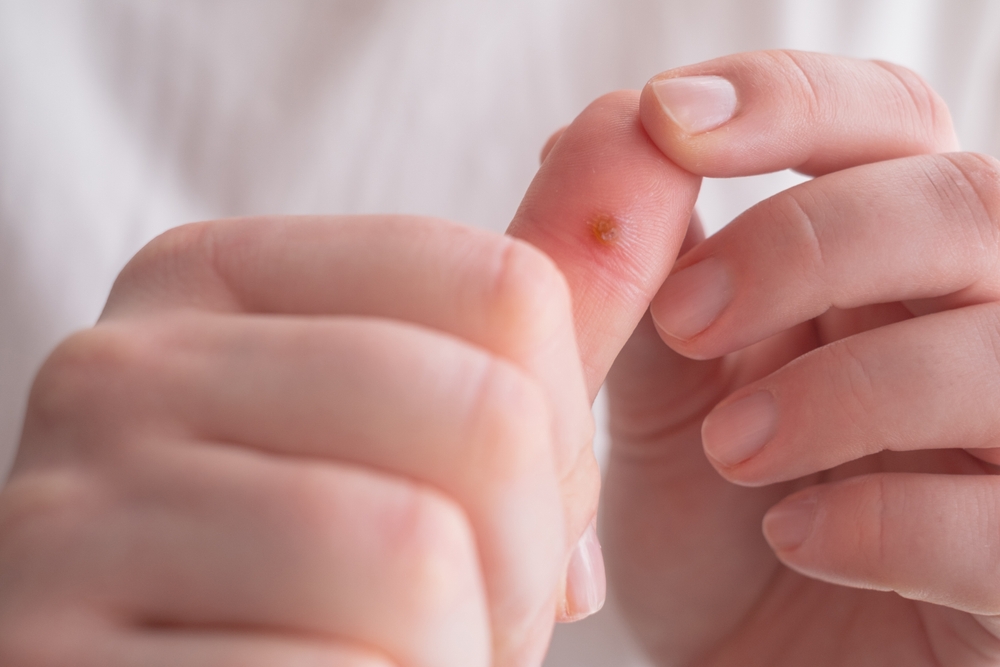
The 6 Common Types of Warts
Warts vary in appearance depending on their location and the strain of the virus:
-
Common Warts: Typically found on the hands and fingers, these have a rough, "cauliflower-like" surface.
-
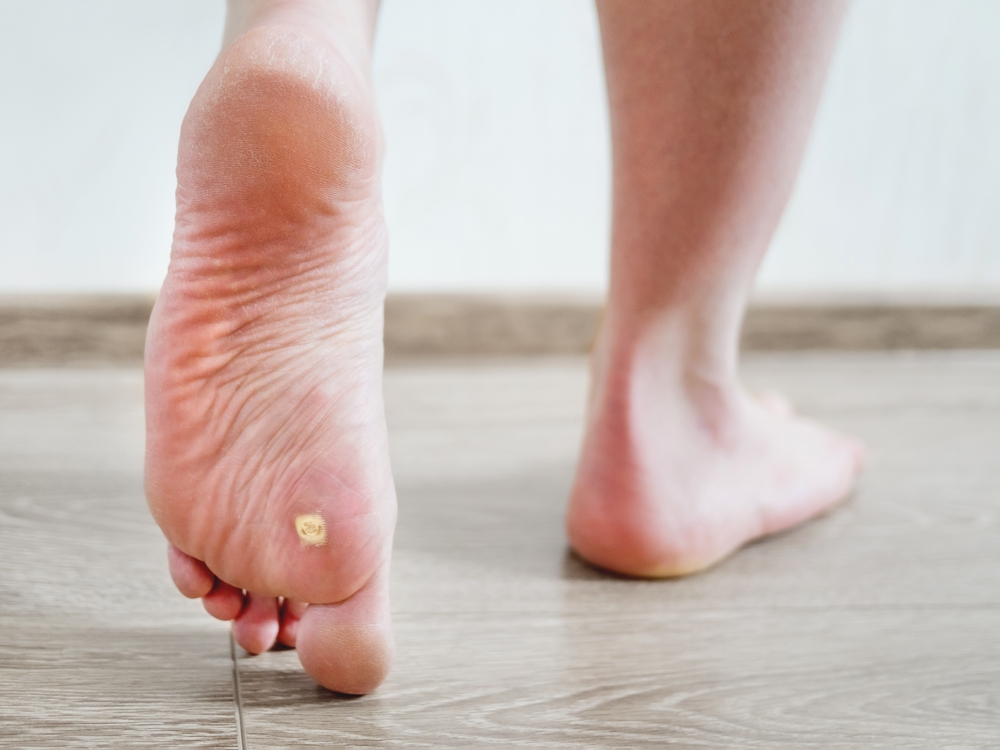
Plantar Warts: Occurring on the soles of the feet, these grow inward due to pressure from walking, often feeling like a painful pebble inside your shoe.
-
Flat Warts: Smoother and flatter than other varieties, these often appear in clusters on the face, arms, or legs.
-
Filiform Warts: These are distinct, thread-like growths that tend to sprout around sensitive areas such as the eyes, nose, or mouth.
-
Genital Warts: Found in the genital or anal regions, these can be flat or raised. Because they are sexually transmitted and some strains are linked to higher risks of cancer, it is essential to seek medical attention if you suspect you have them.
-
Age Warts: Often appearing after age 40, these start as yellowish patches and evolve into raised, brown, rough bumps. While usually harmless, they can resemble skin cancers (like melanoma) and should be checked by a dermatologist.
How They Spread
Warts are contagious, primarily through direct skin-to-skin contact or via contaminated surfaces. Simple habits—like avoiding sharing razors or wearing footwear in shared locker rooms—can significantly reduce your risk.
Home Remedies: Do-It-Yourself Approaches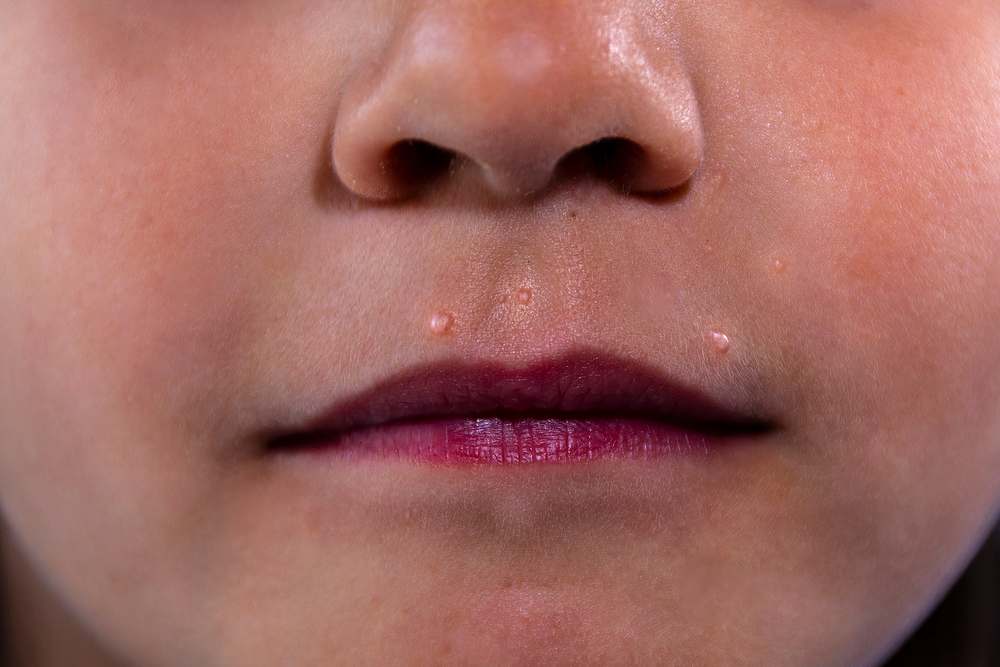
While many warts resolve on their own, you may want to speed up the process. Here are some commonly practiced home remedies:
-
The Duct Tape Method: Covering the wart with duct tape can "starve" it of oxygen. After a few days, remove the tape, soak the area in water, and gently scrub with a pumice stone.
-
Apple Cider Vinegar: Its natural acidity mimics medical treatments like salicylic acid. Dilute it with water and apply it to the affected area with a cotton ball, being careful to avoid skin irritation.
-
Aspirin Paste: Because aspirin contains salicylic acid, crushing it into a paste with water and applying it overnight can help peel away the wart tissue.
-
Tea Tree Oil: Renowned for its antimicrobial properties, it is often used for its potential to support skin healing.
A Note on Safety
While home remedies can be effective, they aren't for everyone. If a wart is painful, bleeding, changing rapidly, or located in a sensitive area (especially the face or genitals), consult a doctor or dermatologist. They can provide professional guidance and ensure your skin health is properly managed.
Disclaimer: This article is for informational purposes only and does not constitute medical advice. Always consult a healthcare professional for diagnosis and treatment.