Feels Like Something’s Stuck in Your Throat… Then a Small Lump Comes Out? Here’s What It Usually Is
That weird sensation — like a crumb stuck deep in your throat — followed by a tiny, smelly lump popping out?
👉 In most cases, it’s tonsil stones (tonsilloliths).
What Are Tonsil Stones?
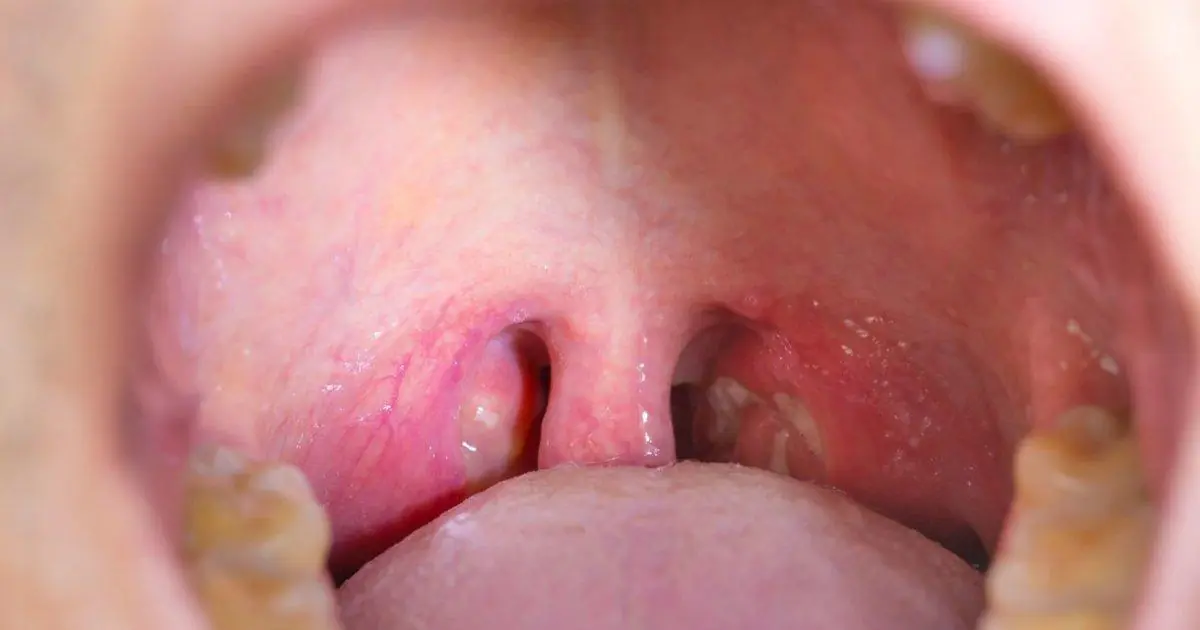
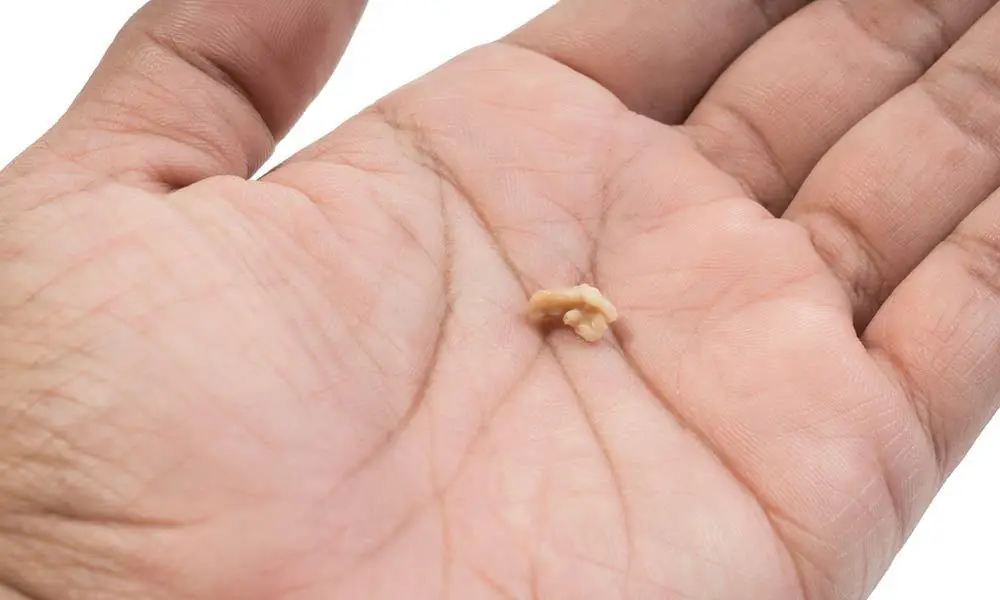
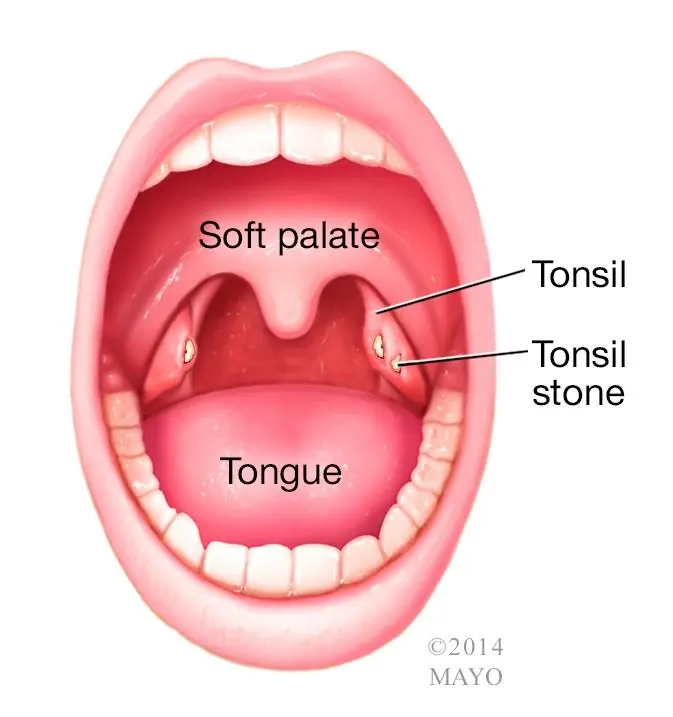
6
Your tonsils have small pockets (called crypts).
Over time, these can trap:
- Food particles
- Dead cells
- Bacteria
This material hardens into small white or yellow lumps.
Why Do They Feel So Annoying?

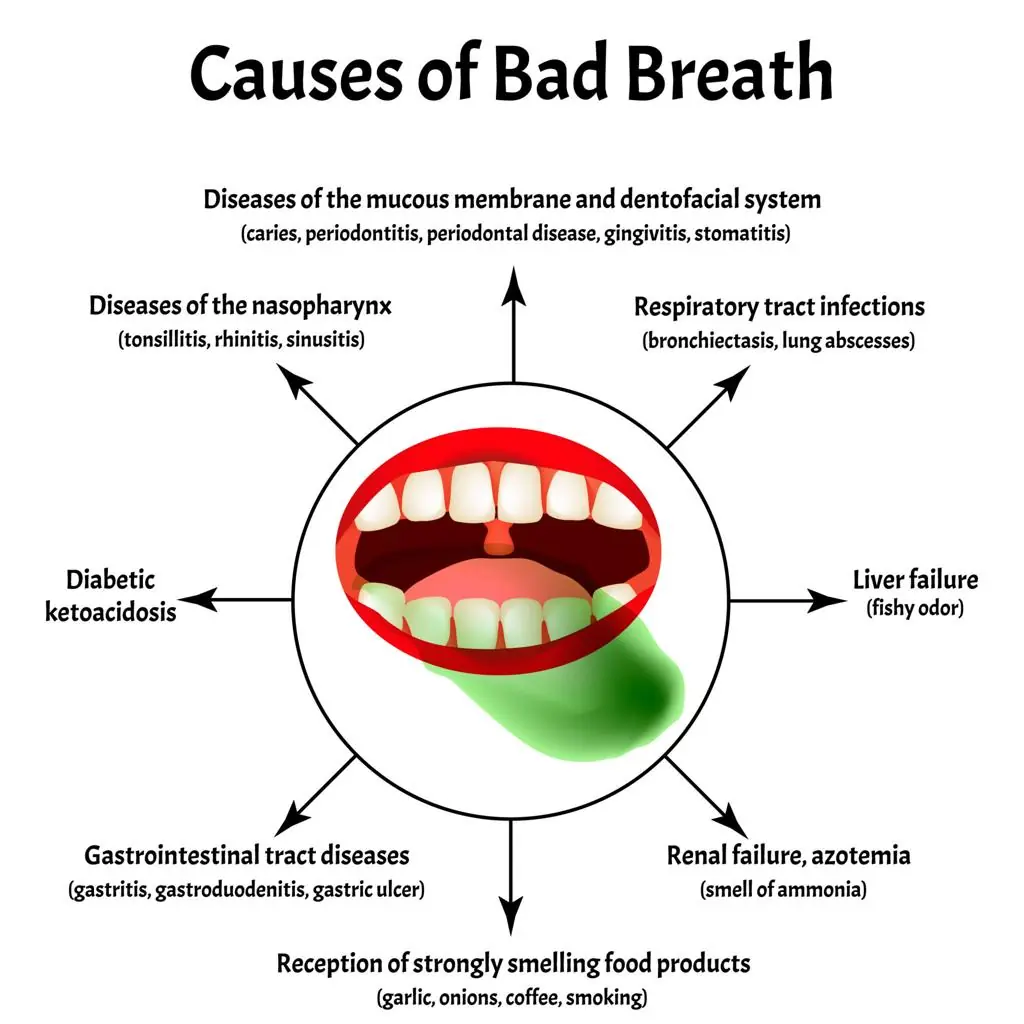

6
Common symptoms:
- Feeling like something is stuck
- Mild throat irritation
- Bad breath (big clue 👀)
- Occasionally coughing up a small lump
👉 That “lump” is the tonsil stone coming out.
Are They Dangerous?
Short answer:
👉 No — they’re usually harmless
But:
- They can be uncomfortable
- They may keep coming back
- They can affect breath and oral hygiene
Why Do Some People Get Them More Often?
- Large or deep tonsil crypts
- Frequent throat infections
- Poor oral hygiene
- Dry mouth
👉 Some people are just more prone to them.
How to Get Rid of Them
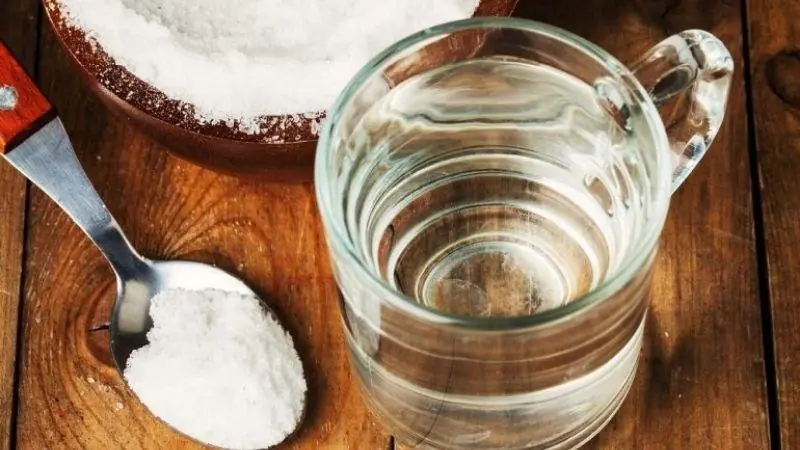


5
Simple ways:
- Gargle with warm salt water
- Stay hydrated
- Brush teeth + tongue regularly
- Use a water flosser (gentle)
👉 Many stones come out naturally on their own.
When Should You Be Concerned?
- Severe pain
- Difficulty swallowing
- Persistent swelling
- Fever
👉 Then it could be something else (infection, abscess) → see a doctor.
Final Thought
That “mystery lump” isn’t something scary — it’s just your tonsils doing a messy cleanup job.
Annoying? Yes.
Dangerous? Usually not.
Tonsil Stones: Why Those Tiny, Smelly Lumps Come Out of Your Throat — Causes, Symptoms, Treatment, and Prevention
Have you ever felt as though a tiny crumb were stuck deep in your throat, even when you had not eaten anything? Perhaps you swallowed repeatedly, cleared your throat, or coughed, only to discover a small white or yellowish lump with an unpleasant smell.
The experience can be surprising, especially if it happens for the first time.
In many cases, the explanation is a condition known as tonsil stones, medically called tonsilloliths. These small deposits develop inside pockets on the surface of the tonsils. They are made up of trapped debris, bacteria, dead cells, mucus, and sometimes minerals that gradually accumulate and harden.
Tonsil stones are usually harmless. They are not the same as tonsil cancer, and they do not automatically mean that someone has a serious throat infection. However, they can cause persistent bad breath, irritation, an uncomfortable sensation when swallowing, and repeated episodes of coughing up small lumps.
Some people develop them only occasionally. Others experience recurring stones because their tonsils have deep pockets that easily collect debris.
Understanding why tonsil stones form, how to recognize them, and how to manage them safely can help prevent unnecessary worry and avoid damaging the delicate tissues at the back of the throat.
1. What Exactly Are Tonsil Stones?
Tonsil stones are small, solid or semi-solid deposits that develop in the crevices of the tonsils.
Your tonsils are two small masses of lymphatic tissue located at the back of your throat, one on each side. They form part of the immune system and help recognize microorganisms that enter through the mouth and nose.
The surface of the tonsils is not completely smooth. It contains small openings and folds called tonsillar crypts.
These crypts are normal anatomical structures. However, they can sometimes trap material that would otherwise be swallowed or cleared naturally.
Over time, the trapped material may become compacted and hardened, forming a tonsil stone.
What are tonsil stones made of?
A tonsil stone may contain a mixture of:
-
Food particles and microscopic food debris.
-
Dead cells shed from the lining of the mouth and throat.
-
Bacteria naturally present in the oral cavity.
-
Mucus and other secretions.
-
Minerals, including calcium-containing compounds.
As these materials accumulate, they can form a small mass inside a tonsillar crypt.
Some stones remain soft and crumbly, while others become firmer as mineral deposits accumulate.
Why are they white or yellow?
Tonsil stones commonly appear white, cream-colored, or pale yellow.
Their appearance depends on their composition, age, and degree of mineralization.
Some are so small that they are difficult to see without examining the tonsils carefully. Others may become large enough to be visible as small bumps on the tonsil surface.
They can also have an unpleasant odor, which is one of the most recognizable features.
Are tonsil stones the same as food stuck in the throat?
No.
Food can temporarily become lodged in the throat or around the tonsils, but a tonsil stone is a more persistent deposit that develops inside a tonsillar crypt.
A food particle may disappear after swallowing or gargling. A stone may remain embedded until it comes out naturally or is removed safely.
2. Why Do Tonsil Stones Smell So Bad?
One of the most unpleasant features of tonsil stones is their strong smell.
A tiny lump may produce an odor that seems surprisingly powerful for something so small.
The main explanation involves bacteria and the substances they produce.
The role of oral bacteria
Your mouth naturally contains hundreds of types of microorganisms.
Most are part of the normal oral microbiome and do not cause disease.
However, when bacteria accumulate in the narrow spaces of the tonsils, they can break down proteins and other organic material.
Some bacteria produce volatile sulfur compounds, which have a strong, unpleasant odor.
These compounds are also associated with certain forms of bad breath.