Waking up with itchy red spots on your skin can be frustrating, especially when it seems to happen night after night. You may go to bed with perfectly normal-looking skin, only to wake up with small red bumps, patches, or scattered areas of intense itching.
If this keeps happening, it is understandable to wonder whether something serious is going on.
The good news is that many causes of nighttime itching and red spots are relatively common and treatable. Your bedding, laundry products, insects, dry skin, heat, or an underlying skin condition can all play a role. However, persistent or unexplained symptoms deserve attention, particularly when they are spreading, becoming painful, or accompanied by other symptoms.
The appearance and location of the spots can provide useful clues—but skin changes alone usually cannot establish a diagnosis.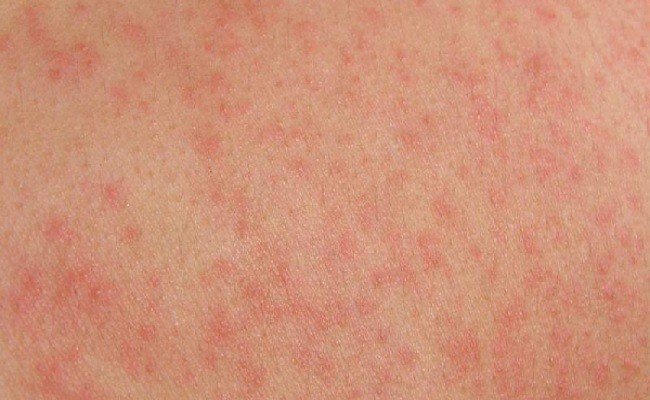
1. Bed Bugs Can Cause Itchy Spots Overnight
One possibility people often consider when they wake up with new itchy marks is bed bug bites.
Bed bugs are small insects that hide in mattresses, bed frames, furniture, cracks, and other protected areas. They are most active when people are resting.
Their bites can produce itchy red bumps, although reactions vary considerably from person to person. Some people develop noticeable marks, while others have little or no visible reaction.
The spots may sometimes appear in groups or lines, but this pattern is not reliable enough to confirm bed bugs by itself.
If you suspect an infestation, don't rely solely on your skin. Check the sleeping environment for signs such as tiny dark stains, shed insect skins, eggs, or live insects around mattress seams and furniture.
2. Mosquitoes or Other Insects Could Be Responsible
If your bedroom has an open window, damaged screens, or other ways for insects to enter, mosquitoes and other biting insects may also be responsible.
Mosquito bites often produce raised, itchy bumps. Depending on the person, they can remain noticeable for several days.
Other insects can also cause skin reactions, making it difficult to identify the source based solely on appearance.
If the spots appear primarily after sleeping with windows open or spending time outdoors in the evening, environmental exposure may be worth considering.
3. Your Laundry Detergent May Be Irritating Your Skin
Sometimes the problem isn't an insect at all.
Laundry detergent, fabric softener, fragrance, or other products used on bedding can irritate sensitive skin or trigger contact dermatitis.
Because your sheets and blankets remain against your skin for hours, even a relatively mild irritant can become noticeable overnight.
Look for a pattern: Did the itching begin after switching detergents, fabric softeners, dryer sheets, or other household products?
If so, consider temporarily simplifying your routine. Washing bedding with a fragrance-free, dye-free detergent and rinsing thoroughly may help determine whether your skin is reacting to something in the laundry.
4. Dry Skin Can Become Much More Noticeable at Night
Another extremely common explanation is simply dry skin.
Cold weather, low indoor humidity, hot showers, frequent bathing, harsh soaps, and certain skincare products can weaken the skin barrier and increase dryness.
Dry skin can cause itching, redness, scaling, and irritation. Scratching may then make the skin look even redder and create additional marks.
The nighttime environment can make the sensation particularly noticeable because there are fewer distractions.
Using a gentle, fragrance-free moisturizer after bathing can help support the skin barrier. Avoiding very hot showers and harsh cleansers may also reduce irritation.
5. Heat and Sweating Can Trigger Itchy Red Bumps
If your bedroom is warm or you use heavy blankets, heat and sweating may contribute to nighttime skin irritation.
Heat rash occurs when sweat becomes trapped in the skin and can produce small red bumps or an itchy or prickly sensation.
Some people also experience worsening of eczema or other inflammatory skin conditions when they become overheated.
Keeping the bedroom comfortably cool, wearing breathable sleepwear, and avoiding excessively heavy bedding may help if heat appears to be a trigger.
6. Eczema Can Become Worse at Night
Eczema, or atopic dermatitis, is another potential explanation for recurring itchy skin.
Eczema can cause dry, inflamed, itchy patches that may become red, cracked, scaly, or irritated.
Itching can be particularly troublesome at night. Scratching may damage the skin and create a cycle in which irritation leads to more itching, followed by more scratching.
Eczema can affect different parts of the body, and its appearance can vary depending on age and skin tone.
If you repeatedly develop itchy patches without an obvious environmental trigger, a healthcare professional or dermatologist can help determine whether eczema or another inflammatory skin condition is involved.
7. Hives Can Appear Suddenly
Hives, medically known as urticaria, are another possible cause of red, itchy areas.
They can appear suddenly and may look like raised welts or patches. Individual hives often change location or disappear within hours, although new ones may appear elsewhere.
Potential triggers include certain foods, medications, infections, temperature changes, pressure on the skin, and other exposures. In many cases, however, a specific trigger cannot be identified.
If you wake up with raised, intensely itchy areas that seem to come and go, hives may be worth discussing with a healthcare professional.