One condition that deserves particular attention is scabies.
Scabies is caused by microscopic mites that burrow into the outer layer of the skin. It commonly causes intense itching that can be especially severe at night.
Small bumps or a rash may appear, sometimes along with thin, irregular burrow-like lines.
Commonly affected areas can include the spaces between the fingers, wrists, elbows, waist, buttocks, and other areas, although distribution varies.
Scabies requires appropriate treatment and can spread through close skin-to-skin contact. If you have persistent nighttime itching—especially if other household members are also itchy—it is important to seek medical evaluation rather than repeatedly treating the skin with random products.
9. Your Skin May Be Reacting to Something in the Bedroom
Your bed isn't the only possible source.
Think about everything that comes into contact with your skin at night:
-
New sheets or blankets
-
Mattress protectors
-
Pillows
-
Fragranced sprays
-
Air fresheners
-
Essential oils
-
Laundry products
-
New pajamas
-
Body lotions or creams
-
Pet bedding
Sometimes the simplest way to identify a trigger is to consider what changed shortly before the problem began.
Keeping a brief record of when the rash appears, where it occurs, what products you used, and what you ate or took that day can also help identify patterns.
10. Scratching Can Make the Problem Look Worse
Itching creates a difficult cycle.
You feel an itch, scratch the area, and temporarily relieve the sensation. But scratching can damage the skin, increase inflammation, and introduce bacteria through broken skin.
Over time, repeated scratching can lead to thickened, irritated, or darker areas of skin.
If you notice that the spots become much more noticeable after scratching, try keeping fingernails short and using a cool compress instead of aggressively scratching the area.
When Should You Be Concerned?
Most itchy red spots are not emergencies. However, recurring unexplained skin changes should not simply be ignored indefinitely.
Make an appointment with a healthcare professional if:
-
The rash keeps returning without an obvious explanation
-
Itching is interfering with sleep
-
The rash is spreading
-
The skin becomes painful, warm, swollen, or increasingly tender
-
You develop blisters, open sores, or significant peeling
-
There is pus or another sign of possible infection
-
Other people in your household are developing similar itching
-
Symptoms continue despite removing possible irritants
-
You have unexplained itching without much of a visible rash
A clinician can examine the rash and consider your medical history, medications, environmental exposures, and other symptoms.
Seek Urgent Care for Certain Symptoms
Some skin reactions require immediate medical attention.
If itchy red spots suddenly appear along with swelling of the lips, tongue, mouth, or throat; difficulty breathing; wheezing; fainting; or severe dizziness, seek emergency medical care. These can be signs of a serious allergic reaction.
You should also seek prompt medical attention if a rash is accompanied by a high fever, severe illness, rapidly spreading redness, significant pain, skin peeling, or involvement of the eyes or mouth.
How to Investigate the Problem at Home
If the spots continue appearing overnight, take a systematic approach rather than assuming they are insect bites.
Start by examining your mattress seams, bed frame, headboard, and surrounding furniture.
Then think about your laundry routine. If you recently changed detergent or fabric softener, consider returning to a simple fragrance-free option.
Keep your bedroom comfortably cool and avoid excessively hot showers before bed.
Wash bedding regularly according to the manufacturer's instructions, and avoid introducing several new skincare or household products at the same time.
Most importantly, take photographs of the rash when it appears. Skin changes can look very different after several hours, so photographs can provide useful information during a medical appointment.
The Pattern Matters More Than a Single Spot
One isolated red spot doesn't tell you very much.
What matters more is the pattern over time.
Do new spots appear only after sleeping? Do they disappear during the day? Are they concentrated around areas covered by clothing? Are they mainly on exposed skin? Does someone else in the household have similar symptoms? Did the problem begin after changing detergent, bedding, medication, or skincare products?
These details can help narrow down the possibilities.
It is also important to remember that appearance alone cannot reliably distinguish a bite from eczema, hives, contact dermatitis, or another skin condition.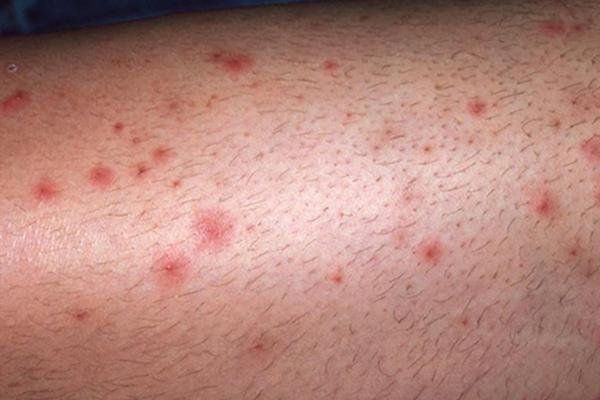
Don't Assume It Is Something Serious—but Don't Ignore Persistent Symptoms
Waking up with itchy red spots every night can certainly be concerning, but it doesn't automatically mean you have a serious disease.
In many cases, the explanation may be something relatively straightforward, such as dry skin, heat, an irritating product, an insect exposure, eczema, or another common skin condition.
At the same time, persistent symptoms deserve proper attention—particularly when there is no obvious trigger or when the rash is accompanied by other changes.
Rather than focusing on one frightening possibility, look for patterns and eliminate potential triggers one at a time. If the problem continues, a healthcare professional can examine your skin and determine whether further testing or treatment is appropriate.
Your skin can provide important clues, but recurring nighttime itching is a symptom - not a diagnosis. Finding the actual cause is the key to getting lasting relief.