It’s often confused with sciatica because the symptoms are similar.
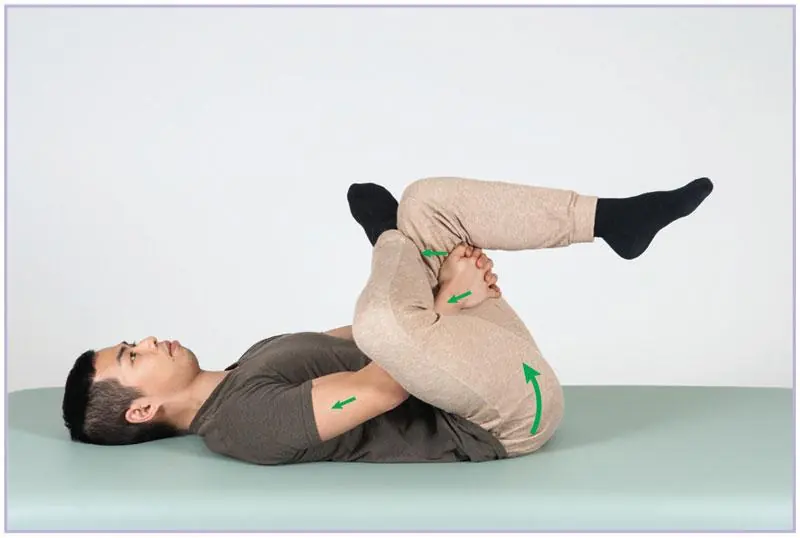
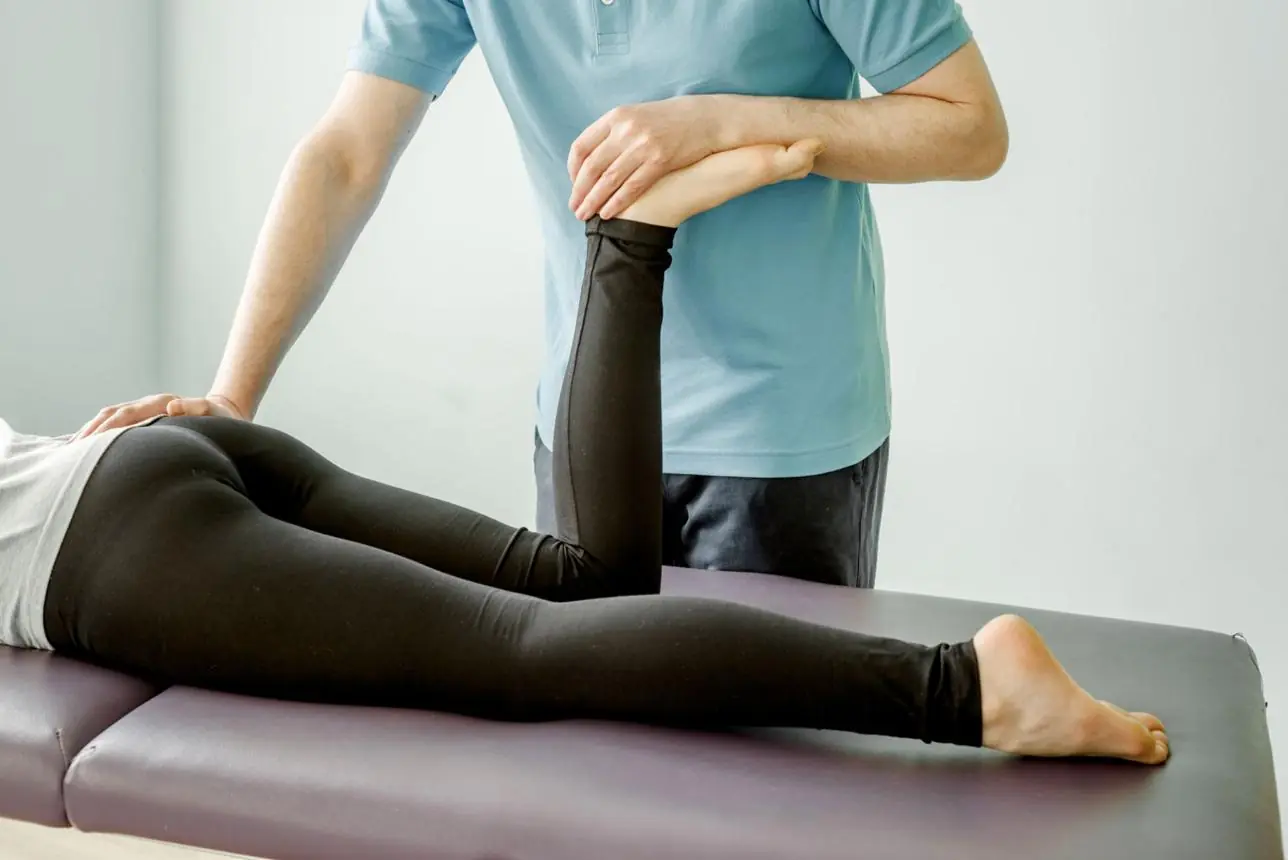
4. Muscle Strain or Overuse

7
Did you recently:
- Work out intensely?
- Walk or run more than usual?
- Sit for long hours without movement?
If yes, your sore buttocks could simply be due to muscle strain or delayed onset muscle soreness (DOMS).
This type of pain:
- Usually appears after activity
- Feels sore or tight rather than sharp
- Improves with movement and stretching
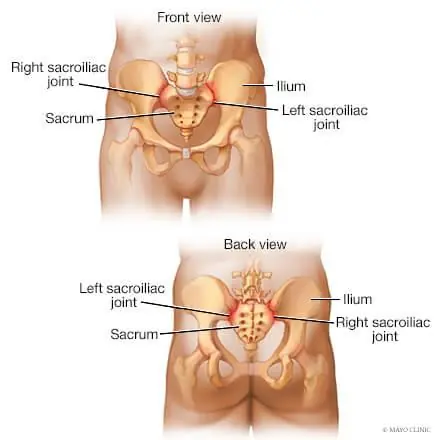
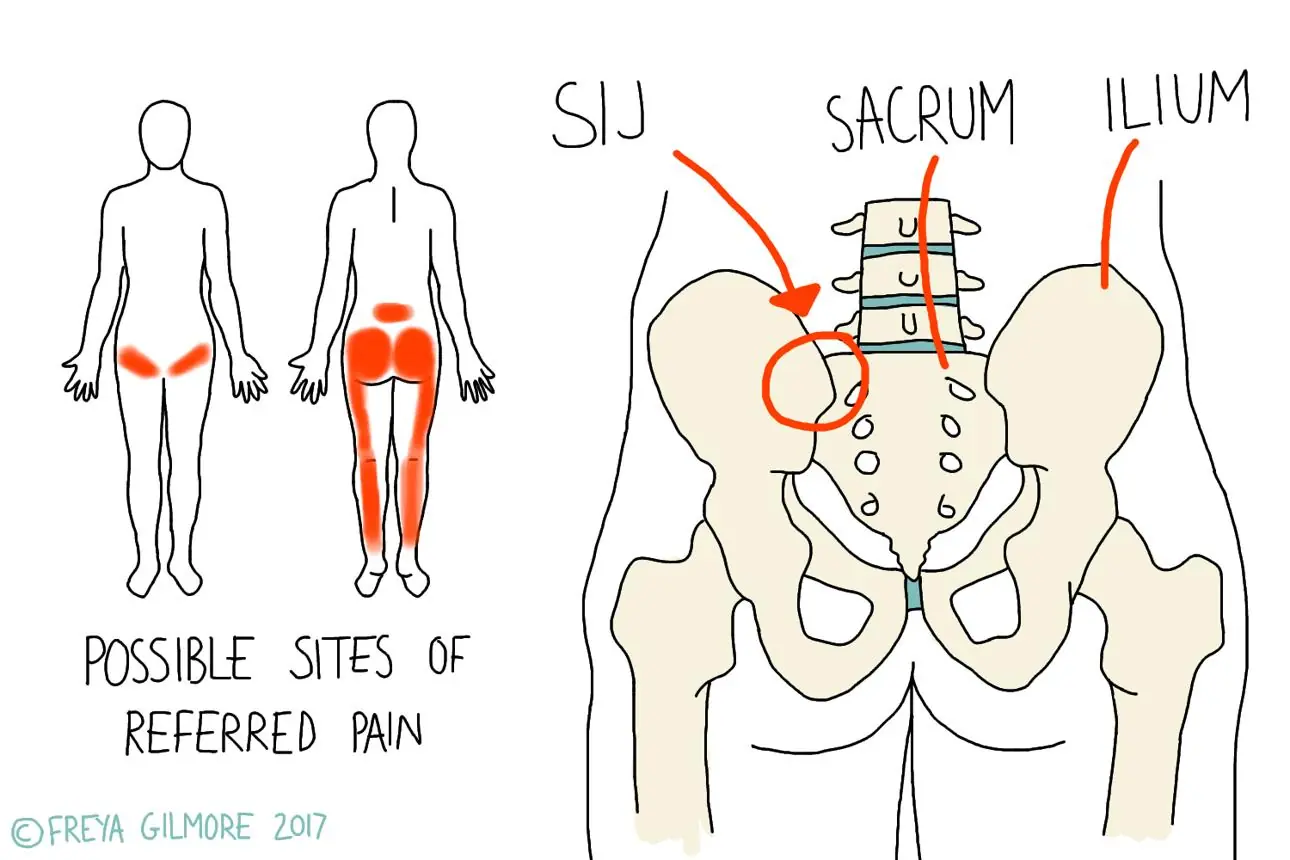
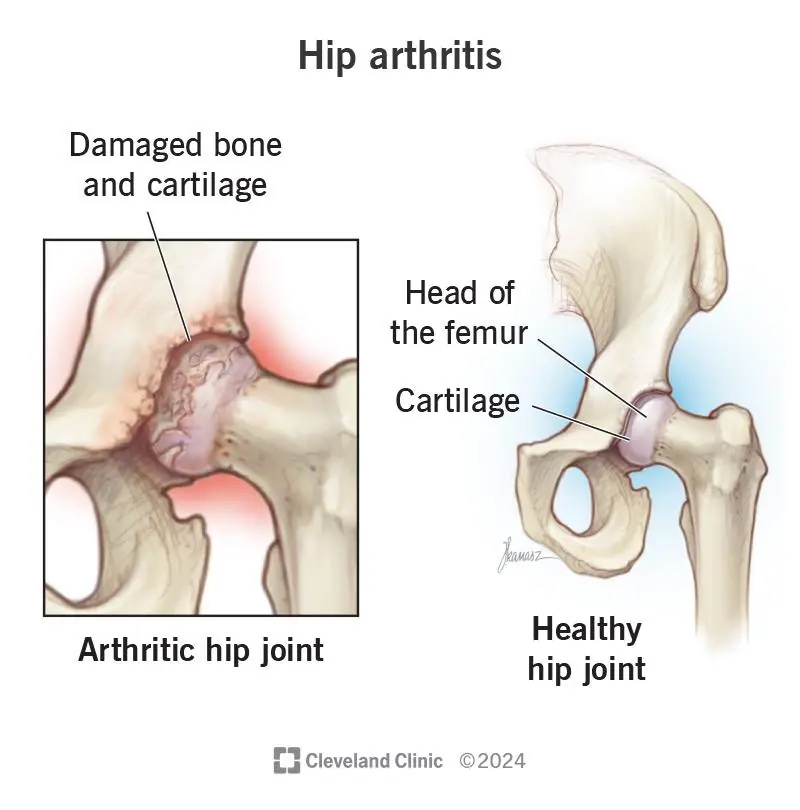
5. Underlying Joint or Spine Issues
6
Sometimes, the pain may come from deeper structural problems, such as:
- Sacroiliac (SI) joint dysfunction
- Lower spine issues (like herniated discs)
- Early arthritis in the hip
These conditions often cause:
- Morning stiffness
- Pain that improves slightly during the day
- Recurring discomfort over time
When Should You Be Concerned?
You should not ignore the pain if:
- It lasts more than a few days
- It keeps coming back
- The pain spreads down your leg
- You feel numbness or weakness
These could be signs of nerve involvement or a more serious issue.
What You Can Do Right Now
Simple steps that actually help:
- Adjust your sleeping position (try a pillow between your knees)
- Stretch your hips and glutes daily
- Avoid sitting too long without breaks
- Use a supportive mattress
- Apply heat to relax tight muscles
Final Thoughts
Waking up with sore buttocks isn’t just “sleeping wrong”—it’s often your body pointing to something deeper.
The key is to notice patterns, listen to your body, and act early before it becomes a chronic problem.
Pain is not just discomfort—it’s information.
And the sooner you understand it, the better you can take control of your health.
6. Is Your Mattress Making Your Buttock Pain Worse?
One factor that many people overlook when experiencing morning buttock pain is the mattress they sleep on.
Although a mattress cannot directly cause every type of nerve or joint problem, an unsuitable sleeping surface may contribute to discomfort by placing excessive pressure on certain areas of the body.
When you lie down for several hours, your body weight is distributed across the shoulders, hips, lower back, and buttocks. If the mattress does not provide adequate support, some areas may experience greater pressure than others.
A mattress that is excessively soft may allow the hips and pelvis to sink too deeply. This can alter the natural alignment of the spine and potentially increase discomfort in people who already have lower-back or hip problems.
On the other hand, a mattress that is too firm may create pressure points around the hips and buttocks, particularly for people who sleep on their sides.
The result can be soreness that becomes noticeable when you first get out of bed.
Signs your mattress may be contributing to the problem include:
-
You regularly wake up feeling stiff or uncomfortable.
-
Your pain improves after walking around for several minutes.
-
You feel pressure around your hips or buttocks while lying down.
-
Your mattress has visible sagging or uneven areas.
-
You sleep more comfortably in another bed.
However, changing your mattress is not necessarily the solution.
If the pain comes from sciatica, a spinal condition, or an inflammatory joint disorder, mattress adjustments alone may not resolve the underlying problem.
A supportive mattress should help maintain a comfortable sleeping position without forcing your spine or hips into an awkward alignment.
There is no single mattress firmness that works for everyone. Personal comfort, sleeping position, body shape, and existing medical conditions all influence what feels supportive.
If you experience recurring morning pain, consider reviewing your sleeping environment alongside other possible causes.
7. Hip Bursitis – When Inflammation Causes Pain Around the Buttocks
Another possible explanation for discomfort around the buttocks and hips is bursitis.
A bursa is a small fluid-filled sac that helps reduce friction between bones, tendons, and muscles.
These structures act like cushions, allowing different tissues to move smoothly against one another.
When a bursa becomes irritated or inflamed, the condition is known as bursitis.
One commonly affected area is the greater trochanter, located on the outer side of the hip.
Greater trochanteric pain syndrome can cause discomfort around the outer hip and upper thigh, sometimes extending toward the buttock.
People experiencing this condition may notice:
-
Pain when lying on the affected side.
-
Tenderness around the outer hip.
-
Discomfort when climbing stairs.
-
Pain after walking or standing for extended periods.
-
Difficulty finding a comfortable sleeping position.
The pain may become particularly noticeable at night because lying directly on the affected side places additional pressure on the sensitive tissues.
Although bursitis can occur independently, similar symptoms may also arise from problems involving the gluteal tendons.
This is why medical evaluation is important when pain persists.
Treatment often focuses on reducing irritating activities, improving hip strength, and gradually restoring comfortable movement.
A physical therapist may recommend exercises that strengthen the muscles supporting the pelvis.
People with significant pain should avoid aggressively stretching or massaging the affected area without knowing what is causing the symptoms.