A clean, healthy-looking smile doesn't usually come from an expensive treatment or a complicated routine.
In many cases, the most important oral-health habits are surprisingly simple—and they only take a few minutes each day.
One of the biggest things to keep under control is dental plaque, the sticky film that continually forms on your teeth.
You may notice it as a slightly fuzzy feeling on your teeth, especially along the gumline. If plaque isn't removed regularly, it can contribute to tooth decay and gum disease. Over time, it can also harden into tartar, which cannot be safely removed with ordinary brushing at home.
The good news is that you don't need to spend hours caring for your teeth.
A simple five-minute routine involving brushing, cleaning between your teeth, and paying attention to the gumline can make a meaningful difference when done consistently.
Here's how to make those few minutes count.
What Exactly Is Dental Plaque?
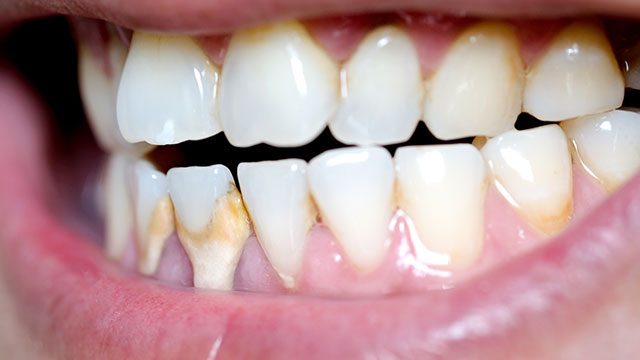
Dental plaque is a sticky film of bacteria that forms continuously on the surfaces of your teeth.
The bacteria in plaque interact with sugars and starches from food and drinks.
This process can produce acids that attack tooth enamel.
If plaque remains on the teeth, it can contribute to:
-
Tooth decay
-
Cavities
-
Gum inflammation
-
Bad breath
-
Gingivitis
-
Periodontal disease
That's why oral hygiene isn't simply about making teeth look white.
It's about controlling the bacterial film that naturally accumulates in your mouth.
Why Plaque Comes Back So Quickly
You can brush your teeth in the morning and have plaque beginning to form again later in the day.
That's completely normal.
Plaque formation is an ongoing biological process.
You aren't trying to permanently eliminate every bacterium from your mouth.
Instead, the goal is to remove accumulated plaque regularly before it has a chance to cause problems.
This is why consistency matters much more than occasionally performing an aggressive cleaning.
The 5-Minute Routine
A practical routine can be divided into three basic steps:
1. Brush thoroughly
2. Clean between your teeth
3. Finish with appropriate mouth care
The exact timing may vary depending on your routine, but the key is to clean the areas where plaque tends to accumulate.
Let's break it down.
Step 1: Brush for About Two Minutes
Brushing is the foundation of daily plaque control.
Use a soft-bristled toothbrush and fluoride toothpaste.
Place the brush against your teeth at approximately a 45-degree angle toward the gumline.
Then use gentle, controlled movements.
Don't scrub aggressively.
Hard brushing doesn't necessarily clean better. In fact, excessive pressure can irritate the gums and contribute to enamel wear or gum recession over time.
Don't Forget the Gumline
Many people concentrate on the visible front surfaces of their teeth.
But plaque frequently collects near the gumline.
Spend time cleaning:
-
The outer surfaces
-
The inner surfaces
-
The chewing surfaces
-
Along the gumline
-
The backs of the front teeth
Move systematically around your mouth so you don't repeatedly clean the same easy-to-reach areas while missing others.
What About Your Tongue?
Your tongue can also harbor bacteria and food debris.
After brushing your teeth, gently brushing your tongue can help improve oral cleanliness and may help with breath odor.
You don't need to scrub it aggressively.
A few gentle passes are enough.
If your tongue becomes sore or irritated, you're using too much pressure.
Step 2: Clean Between Your Teeth
This is the step many people skip.
Your toothbrush cannot effectively reach every surface between your teeth.
That's where floss or another type of interdental cleaner can help.
Depending on your teeth and preferences, you might use:
-
Dental floss
-
Floss picks
-
Interdental brushes
-
A water flosser
The best method is often the one you can use correctly and consistently.
Why Cleaning Between Teeth Matters
Imagine cleaning your kitchen counter but never cleaning the narrow spaces between objects sitting on it.
Some areas simply remain untouched.
The same principle applies to your mouth.
Plaque can accumulate between teeth and along the gumline where a toothbrush can't easily reach.
Removing it helps reduce the amount of plaque that remains in these difficult areas.
How to Floss Without Hurting Your Gums
Flossing shouldn't be an aggressive sawing motion.
Gently guide the floss between the teeth.
Curve it around one tooth, forming a "C" shape, and move it carefully along the side of the tooth.
Then repeat on the neighboring tooth.
Use clean sections of floss as you move around the mouth.
If your gums bleed when you first begin flossing, don't automatically assume that flossing is damaging them. Inflamed gums can bleed easily.
However, persistent or heavy bleeding deserves attention from a dental professional.
What If You Hate Flossing?
You're not alone.
Some people find traditional floss difficult or uncomfortable.
That's where alternatives can help.
Interdental brushes
These small brushes can be particularly useful when there are spaces between teeth.
Water flossers
A water flosser uses a stream of water to clean around teeth and along the gumline.
They can be helpful for certain people, including those with braces or difficulty using traditional floss.
Floss picks
These can be more convenient for people who struggle with handling loose floss.
The important thing isn't winning a debate about which tool is best.
It's finding a method that allows you to clean between your teeth regularly and effectively.
Step 3: Rinse Wisely
After brushing, many people immediately rinse their mouth thoroughly with water.
But if you're using fluoride toothpaste, you generally don't need to wash all of it away immediately.
Spitting out the excess toothpaste and leaving a small amount of fluoride behind can help maintain fluoride exposure to the teeth.
If you prefer using mouthwash, consider using it at a different time from brushing rather than immediately washing away the toothpaste.
Follow the instructions for the specific product.
Can Mouthwash Remove Plaque?
Mouthwash can be a useful addition to oral hygiene for some people.
Certain therapeutic mouthwashes contain ingredients designed to help control plaque or gingivitis.
But mouthwash is not a substitute for brushing and cleaning between your teeth.
Think of it as an additional tool—not the foundation.
A mouthwash that promises to "melt away" hardened tartar should be viewed skeptically.
Once plaque has hardened into tartar, it generally requires professional cleaning.
Plaque and Tartar Are Not the Same Thing
This distinction is extremely important.
Plaque
Plaque is the soft, sticky bacterial film that forms on teeth.
It can be removed through regular brushing and interdental cleaning.
Tartar
Tartar, also called dental calculus, forms when plaque mineralizes and hardens.
Once it becomes hardened calculus, brushing alone cannot reliably remove it.
Trying to scrape tartar off yourself with sharp metal instruments can injure your gums or damage the tooth surface.
Professional dental instruments are designed for this purpose.
Don't Try Viral "Tartar Removal" Tricks
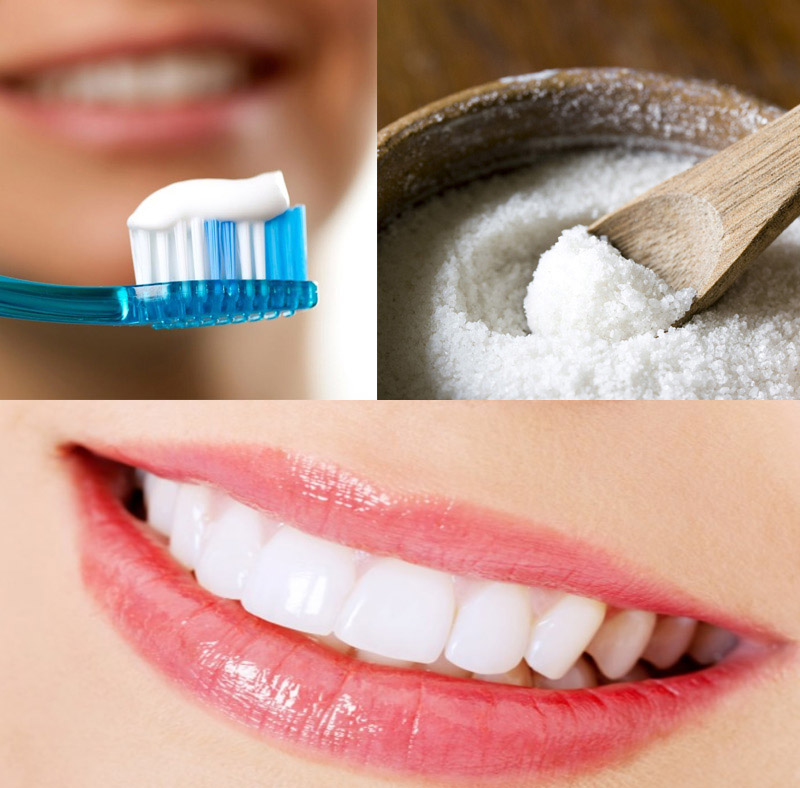
Social media is full of recipes claiming that household ingredients can remove plaque or tartar.
You may see recommendations involving:
-
Baking soda
-
Lemon juice
-
Vinegar
-
Hydrogen peroxide
-
Salt
-
Charcoal
-
Abrasive powders
The problem is that aggressive or acidic substances can damage enamel or irritate the gums when used improperly.
In particular, repeatedly exposing teeth to strong acids can contribute to enamel erosion.
You don't need to chemically attack your teeth to keep them clean.
Good mechanical plaque removal and fluoride toothpaste are much more practical foundations.
Why Fluoride Matters
Fluoride is one of the most important ingredients in modern toothpaste.
It helps strengthen tooth enamel and makes teeth more resistant to acid attacks.
That's particularly important because plaque bacteria can produce acids when they metabolize carbohydrates and sugars.
Regular exposure to fluoride can help reduce the risk of tooth decay.
So if you're choosing toothpaste, don't focus only on claims such as "whitening," "natural," or "deep cleaning."
Check whether it contains fluoride.
What About Whitening Toothpaste?
Whitening toothpaste can help remove some surface stains.
For example, stains from coffee, tea, or certain foods may become less noticeable.
But whitening toothpaste doesn't necessarily change the natural underlying color of your teeth dramatically.
And excessive use of highly abrasive products may contribute to tooth sensitivity or enamel wear.
If your primary goal is plaque control, prioritize fluoride and good brushing technique over aggressive whitening.
Your Diet Also Matters
Your toothbrush isn't the only factor affecting oral health.
The foods and drinks you consume influence your teeth as well.
Frequent exposure to sugary foods and drinks can increase the risk of tooth decay because oral bacteria can use sugars to produce acids.
This doesn't mean you can never eat sweets.
Frequency matters.
Having sugary foods repeatedly throughout the day keeps giving bacteria opportunities to produce acids.
A balanced diet and limiting frequent sugary drinks or snacks can therefore support your oral-health routine.
Don't Forget About Sugary Drinks
Soda, sweetened coffee, energy drinks, sports drinks, sweet teas, and other sugary beverages can expose teeth to both sugar and, depending on the beverage, acidity.
Water is generally a better everyday choice.
If you do consume a sugary or acidic drink, avoiding prolonged sipping over many hours can reduce the amount of time your teeth are exposed.
Why Dry Mouth Can Make Plaque Problems Worse
Saliva plays an important role in oral health.
It helps:
-
Lubricate the mouth
-
Wash away food particles
-
Buffer acids
-
Support enamel remineralization
Certain medications, dehydration, medical conditions, and other factors can reduce saliva production.
If you frequently experience dry mouth, talk to a healthcare professional or dentist.
Don't simply assume that you're not drinking enough water.
The Five-Minute Habit Is About Consistency
You don't need a complicated 20-step oral-care routine.
A simple routine performed consistently is much more useful.
For example:
Morning
Brush thoroughly with fluoride toothpaste.
During the day
Drink water regularly and limit frequent sugary snacks or drinks.
Evening
Clean between your teeth.
Brush again for about two minutes.
If appropriate, use a therapeutic mouthwash according to its instructions.
The evening routine is particularly important because plaque can remain on your teeth for hours while you sleep.
What Happens If You Skip Brushing?
Skipping brushing occasionally isn't likely to destroy your teeth overnight.
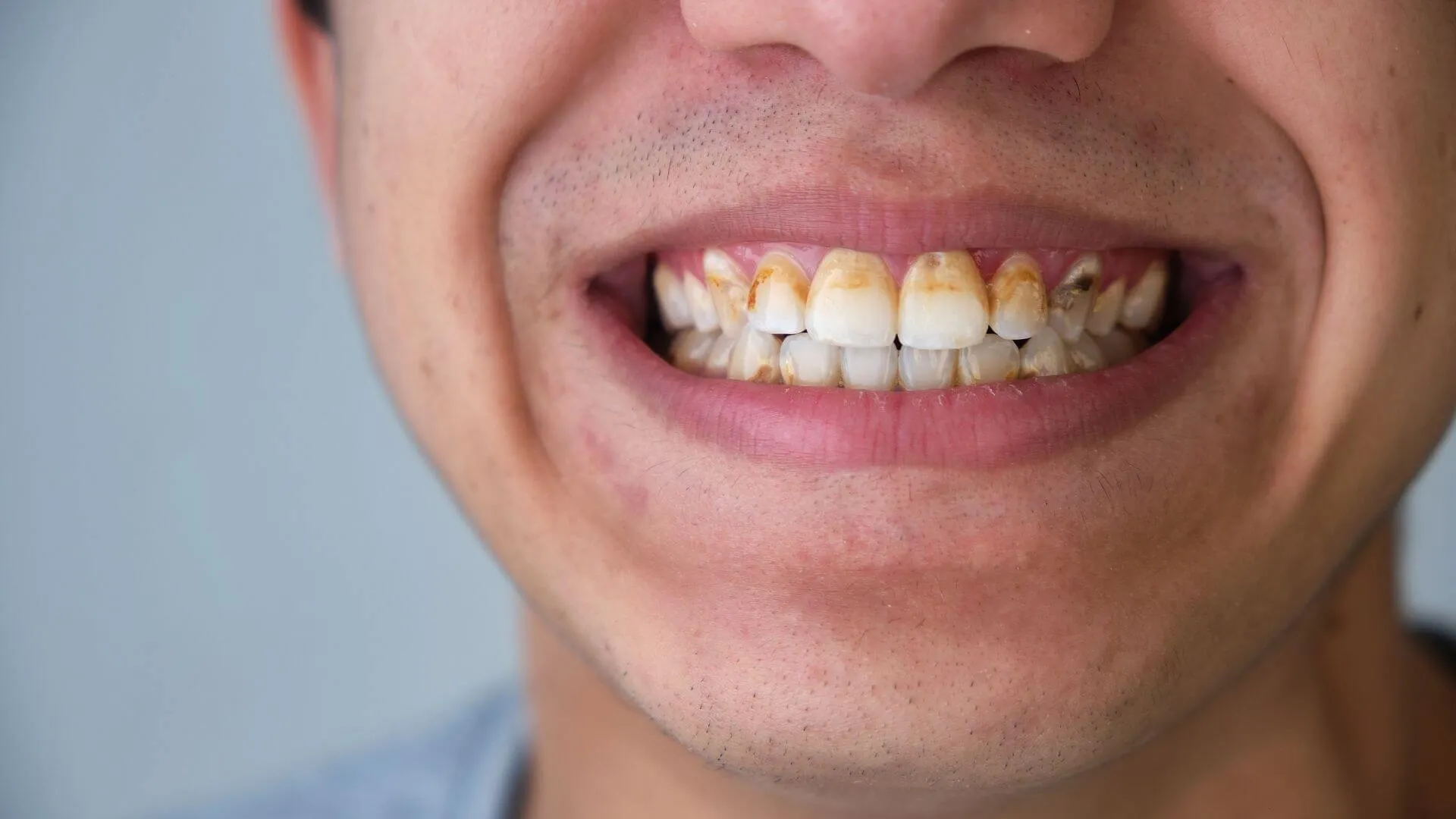
But repeated neglect allows plaque to remain on the tooth surfaces for longer.
Over time, this can contribute to gum inflammation and tooth decay.
You may notice:
-
Bad breath
-
A fuzzy coating on your teeth
-
Bleeding gums
-
Increased sensitivity
-
Plaque buildup around the gumline
If these problems persist, it's worth seeing a dentist.
Bleeding Gums Shouldn't Simply Be Ignored
Some people assume bleeding while brushing or flossing is normal.
Occasional bleeding can happen, especially when someone begins cleaning between their teeth after a period of inconsistent hygiene.
But frequent or persistent bleeding may indicate gum inflammation.
Possible causes include:
-
Plaque buildup
-
Gingivitis
-
Periodontal disease
-
Trauma from aggressive brushing
-
Certain medications
-
Other health conditions
A dentist can determine the cause.
Don't solve the problem by simply avoiding the area that bleeds.
If plaque is contributing to inflammation, gently cleaning the area is generally important.
Bad Breath Can Be a Clue
Morning breath is common.
But persistent bad breath can sometimes be associated with oral-health problems.
Potential causes include:
-
Plaque
-
Gum disease
-
Tongue bacteria
-
Dry mouth
-
Certain foods
-
Smoking
-
Some medical conditions
If persistent bad breath doesn't improve with good oral hygiene, professional evaluation can help identify the cause.
Your Toothbrush Needs Care Too
A toothbrush can accumulate bacteria and become less effective as the bristles wear.
Replace it when the bristles become frayed or according to your dentist's recommendation and the manufacturer's guidance.
Don't routinely share toothbrushes.
After brushing, rinse the brush and allow it to air-dry rather than storing it wet inside a sealed container.
Electric or Manual Toothbrush?
Either can work.
An electric toothbrush may make it easier for some people to maintain consistent brushing technique and timing.
A manual toothbrush can also be highly effective when used properly.
The key factors are:
Technique.
Duration.
Coverage.
Consistency.
You don't necessarily need the most expensive toothbrush available.
A Cleaner Smile Doesn't Mean Perfectly White Teeth
Healthy teeth aren't naturally identical shades of bright white.
Natural tooth color varies from person to person.
Teeth can also become darker with age because enamel gradually changes and the underlying dentin becomes more visible.
A healthy smile is about more than whiteness.
Healthy gums, clean tooth surfaces, fresh breath, and the absence of untreated dental problems matter much more.
When Should You See a Dentist?
Even an excellent home routine doesn't replace professional dental care.
Make an appointment if you have:
-
Persistent tooth pain
-
Swollen gums
-
Frequent gum bleeding
-
A loose adult tooth
-
Significant sensitivity
-
Persistent bad breath
-
Visible tartar
-
A broken tooth
-
A dental abscess or swelling
-
A sore or lesion in the mouth that doesn't heal
Regular dental examinations can also detect problems before they become painful.
The Bottom Line
You don't need a miracle ingredient to keep plaque under control.
You need a routine.
A few minutes spent brushing carefully with fluoride toothpaste, cleaning between your teeth, and maintaining sensible eating and oral-care habits can make a meaningful difference over time.
Remember the distinction:
Plaque can be removed at home.
Hardened tartar generally requires professional cleaning.
And while home remedies may sound appealing, acidic or abrasive DIY treatments can potentially damage your teeth and gums.
So instead of searching for a secret five-minute cure, focus on something much less exciting—but far more useful:
Brush for about two minutes, clean between your teeth, protect your enamel with fluoride, and repeat the routine every day.
A cleaner smile isn't usually the result of one dramatic trick.
It's the result of small habits repeated consistently.