A thorough inspection may take some time, but it can be more effective than repeatedly trying to repel mice after they have already entered.
The principle is simple: if mice cannot easily get inside, they have fewer opportunities to establish themselves in your home.
Chapter 3: Keep Food Properly Stored and Remove Easy Sources of Attraction
Food availability is one of the biggest reasons mice remain inside a home. Rodents are opportunistic feeders, and they can survive on a wide variety of foods. Crumbs, grains, cereals, rice, nuts, pet food, bread, cooking ingredients, and food waste may all provide nourishment.
Even a small amount of food can be enough to attract a mouse. A few crumbs under a kitchen cabinet, an open bag of rice, or food left on a counter overnight may create an opportunity for rodents to explore the area.
One of the simplest prevention habits is to store food in containers that mice cannot easily chew through. Glass, metal, and durable hard plastic containers with secure lids are generally better choices than thin bags, cardboard boxes, or loosely closed packaging.
If you buy rice, flour, cereal, pasta, or other dry goods in large quantities, consider transferring them into sealed containers as soon as possible. This helps protect the food while making it easier to keep the pantry organized.
Pay attention to pet food as well. Many households leave bowls of dog or cat food available throughout the day or overnight. While this may be convenient for pets, it can also provide a reliable food source for mice. If possible, feed pets at designated times and remove leftover food when they have finished eating.
Pet food bags should be stored in tightly sealed containers rather than left open in a pantry, garage, or utility room. Mice can chew through packaging and may be attracted by the smell.
Cleaning the kitchen regularly can make a significant difference. Wipe counters after preparing food, sweep or vacuum floors, and clean beneath appliances when possible. Areas behind refrigerators, ovens, and cabinets can accumulate crumbs that are rarely noticed during routine cleaning.
Pay particular attention to nighttime habits. Many mice are most active after people have gone to bed, so food left out during the evening may become an easy source of nourishment. Before sleeping, remove food from counters, wash dishes, clean spills, and ensure that garbage is properly covered.
You do not need to maintain a perfectly spotless home to prevent mice. However, removing accessible food sources makes your home less attractive and reduces the likelihood that rodents will continue searching for food inside.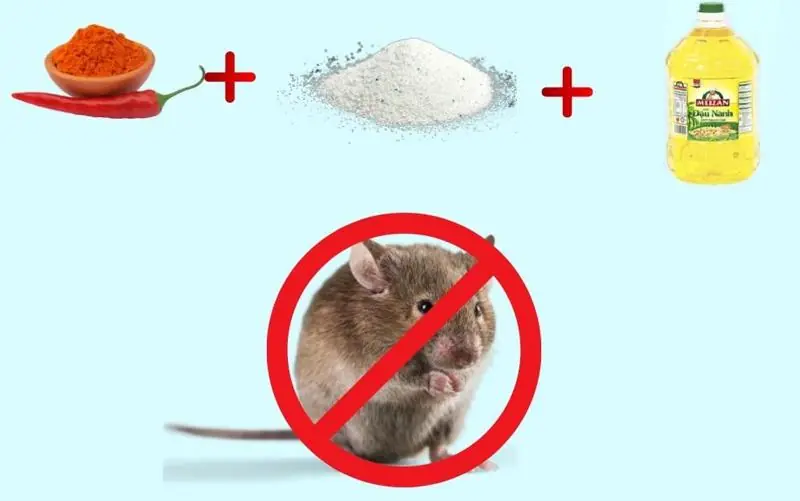
Chapter 4: Take Out the Trash and Keep Waste Areas Clean
Garbage can be another major attraction for mice. Food scraps, packaging, discarded produce, and other waste may provide both nourishment and a strong scent that rodents can detect.
A trash can with a loose lid or an overflowing bag can create easy access to food. This is especially true in kitchens, garages, outdoor storage areas, and spaces where garbage is temporarily kept before collection.
Choose trash containers with secure lids that close properly. If the container is damaged, difficult to close, or frequently left open, replacing it may be worthwhile. Avoid leaving garbage bags directly on the floor for extended periods.
Kitchen waste should be removed regularly, particularly when it contains food scraps. If you compost, make sure the composting system is appropriately managed and located so that it does not attract rodents. Certain compost bins may need additional protection against pests.
Outdoor garbage areas should also be kept clean. Food residue on the outside of containers, spilled garbage, and discarded food near the bins can attract mice and other rodents. Rinse or clean containers when necessary and avoid allowing waste to accumulate around the storage area.
The area around your home matters too. Fallen fruit, birdseed, food waste, and other materials may attract rodents to the yard. If mice are already present outside, they may be more likely to investigate nearby structures.
A clean waste area does not guarantee that mice will never enter, but it removes an important source of attraction.
The next method focuses on an area many homeowners forget: the spaces where clutter accumulates and where mice can hide without being noticed.
Chapter 5: Reduce Clutter and Eliminate Hidden Nesting Areas
Mice prefer places where they can hide from people, predators, and disturbances. Cluttered spaces provide many opportunities for nesting and shelter. Piles of cardboard, unused clothing, paper, old furniture, bags, and stored items can create protected spaces where mice may remain undetected.
A cluttered garage, basement, attic, storage room, or closet can be particularly attractive because these areas are often visited less frequently than kitchens and living rooms.