Bathroom: Clean regularly because moisture, soap residue, and personal-care products can build up.
Entrance and hallway: Sweep or vacuum frequently, then mop when necessary.
Living room: Clean according to foot traffic and visible dirt.
Bedrooms: Usually require less frequent wet mopping if shoes are removed and the floors remain relatively clean.
For many households, sweeping or vacuuming several times a week and mopping as needed is a reasonable starting point.
The most important factor is consistency rather than using an unusually strong cleaning solution.
10. Common Floor-Cleaning Mistakes to Avoid
Some cleaning habits may actually make floors dirtier or damage their surfaces.
Using too much soap: Excess detergent can leave sticky residue and attract dirt.
Mopping without sweeping: Loose debris can spread across the floor and create streaks.
Using the same dirty water everywhere: This can transfer grime from one room to another.
Leaving too much water on the floor: Excess moisture can damage wood, laminate, and certain vinyl installations.
Using abrasive brushes: Scrubbing with rough materials may scratch protective finishes.
Mixing incompatible chemicals: Never mix bleach with vinegar, ammonia, or acidic cleaners. Dangerous gases may be released.
Ignoring manufacturer instructions: Different flooring materials require different cleaning methods.
Walking on wet floors: This creates footprints and increases the risk of slipping.
Avoiding these mistakes is often more important than finding a supposedly magical cleaning mixture.
11. Is a Homemade Floor Cleaner Better Than a Commercial Product?
Homemade cleaning solutions can be inexpensive and convenient, but they are not automatically safer or more effective than commercial products.
A commercial floor cleaner is often formulated for a particular surface and may include ingredients designed to remove dirt without damaging the finish when used according to instructions.
Homemade mixtures are less standardized.
The concentration of vinegar, soap, and water may vary, and the ingredients may not be compatible with every floor.
There are situations where a simple solution of water and a small amount of mild detergent is sufficient.
Other surfaces may require specialized products.
For example:
-
Natural stone generally needs a stone-safe, pH-neutral cleaner.
-
Hardwood needs a product compatible with its finish.
-
Laminate requires careful moisture control.
-
Certain tile and grout systems may have specific cleaning restrictions.
The best cleaner is not necessarily the strongest or cheapest one. It is the product that removes dirt effectively without damaging the surface.
12. A Simple Weekly Floor-Care Routine
Maintaining clean floors becomes easier when cleaning is divided into manageable tasks.
Here is a practical routine for an average household.
Daily:
-
Remove visible crumbs and spills.
-
Keep entrance mats clean.
-
Wipe up kitchen grease or liquid immediately.
-
Check areas around pet food and water bowls.
Several times a week:
-
Sweep or vacuum high-traffic areas.
-
Clean visible dirt near entrances.
-
Wipe up footprints and localized stains.
Weekly:
-
Mop floors using a suitable cleaning product.
-
Wash microfiber mop heads.
-
Clean underneath easily movable furniture.
-
Check corners and areas behind doors.
Monthly:
-
Clean more difficult-to-reach areas.
-
Inspect grout and floor edges.
-
Check whether cleaning products are leaving residue.
-
Review whether the current cleaning routine is appropriate for the flooring material.
This approach helps prevent dirt from accumulating and reduces the need for aggressive cleaning.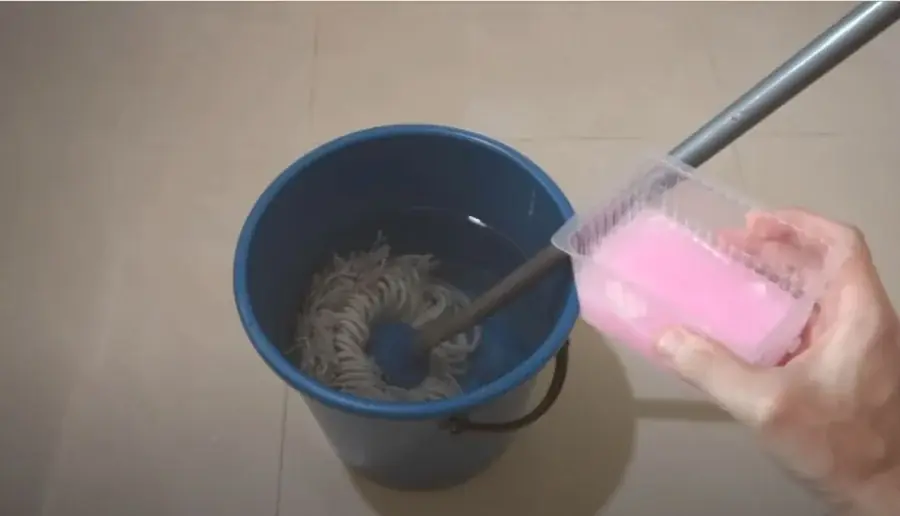
Final Thoughts: Cleaner Floors Start With the Right Ingredients and the Right Technique
Keeping floors clean does not always require expensive products or complicated routines.
White vinegar and dish soap are two familiar household ingredients that may help with certain cleaning tasks when used appropriately.
Vinegar can help dissolve some mineral deposits and residues on compatible surfaces, while dish soap contains surfactants that help loosen grease and everyday dirt.
However, combining them does not create a universal floor cleaner, and vinegar should never be used indiscriminately on every type of flooring.
Natural stone, hardwood, laminate, and other sensitive surfaces may require different products and cleaning methods.
The most effective approach is to identify your floor material, follow the manufacturer's care instructions, use only a small amount of suitable cleaner, and remove excess moisture.
Remember that a clean mop, fresh water, proper sweeping, and consistent maintenance often make a bigger difference than adding more ingredients to a bucket.
A few simple habits—removing shoes at the door, cleaning spills promptly, using doormats, and vacuuming regularly—can also help reduce the amount of dirt entering your home.
The goal is not simply to make floors look shiny immediately after mopping. It is to keep them clean, safe, and well-maintained without damaging the surfaces you rely on every day.