When warm weather arrives, so do some of the most annoying visitors around the home: flies and mosquitoes. They seem to appear out of nowhere, buzzing around the kitchen, gathering near doors and windows, and turning a relaxing evening outdoors into a constant battle of swatting and spraying.
Many people immediately reach for chemical insecticides. While commercial repellents can be useful, some homeowners also like to try simpler, plant-based methods to make their homes less attractive to unwanted insects.
One traditional approach is surprisingly simple: using strongly scented leaves around doors, windows, patios, and other areas where insects frequently enter.
Certain aromatic plants contain volatile compounds that produce strong fragrances. Some of these scents may help discourage or deter certain insects, although their effectiveness varies depending on the plant, insect species, concentration, weather, and how the leaves are used.
So which leaves are commonly used, and how can you try this method safely?
Why Do Aromatic Leaves Sometimes Repel Insects?
Plants produce a huge variety of natural chemical compounds.
Some of these compounds help protect plants from insects and other organisms. Many aromatic herbs contain volatile oils that give their leaves their distinctive smell.
Humans may find these fragrances pleasant, but some insects can be less attracted to strong plant odors.
That's why aromatic plants have been used traditionally around homes and gardens for generations.
However, it's important to keep expectations realistic.
A few leaves hanging beside your door won't create an invisible force field against mosquitoes or flies.
The scent may help discourage insects in a small area, but it should be considered a supplemental measure rather than a guaranteed pest-control solution.
1. Bay Leaves
Bay leaves are one of the simplest options people use around the home.
The leaves have a strong, distinctive aroma caused by naturally occurring volatile compounds.
Some people place dried bay leaves in cupboards, near windows, or around entry points where insects are frequently noticed.
You can also place several leaves in a small breathable fabric bag and hang it near a doorway.
The scent will gradually become weaker, so the leaves need to be replaced when they are no longer noticeably aromatic.
Keep in mind that traditional use doesn't necessarily mean bay leaves have been proven to eliminate household flies or mosquitoes.
Think of them as a low-effort aromatic deterrent, not a replacement for proper pest control.
2. Mint Leaves
Mint is another popular choice.
Peppermint and other mint varieties contain aromatic compounds that produce the familiar cool, intense fragrance.
If you grow mint in pots near doors or windows, you may enjoy the plant while also making the area less appealing to some insects.
Fresh leaves can also be crushed gently to release more aroma.
However, mint can spread aggressively when planted directly in the ground.
For that reason, keeping it in containers is often easier for homeowners.
A small pot near a doorway can provide fragrance without allowing the plant to take over the garden.
3. Basil Leaves
Basil isn't only useful in the kitchen.
Its strong aroma comes from naturally occurring essential oils, and basil has traditionally been associated with insect-repelling properties.
Growing basil in pots near sunny doors, balconies, or windows can be a practical way to keep an aromatic plant close to areas where you spend time.
You can also place fresh basil leaves in a small container outdoors.
But like other plants, basil isn't guaranteed to keep mosquitoes away.
The concentration of aromatic compounds in a few leaves is much lower than that found in commercially formulated repellents.
4. Lemongrass and Lemon-Scented Plants
Lemongrass is particularly popular because of its fresh citrus-like aroma.
It contains compounds associated with citronella-type fragrances, although lemongrass and citronella grass are not the same plant.
Some homeowners grow lemongrass in containers around patios, entrances, and outdoor seating areas.
The plant itself can be attractive and useful in cooking while adding a pleasant scent to the environment.
For mosquito protection, however, simply having a lemongrass plant nearby may not provide the same level of protection as a properly formulated repellent containing tested active ingredients.
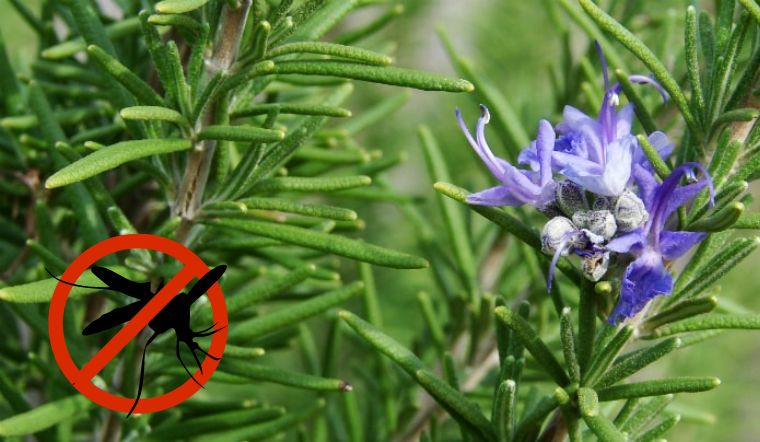
5. Rosemary Leaves
Rosemary is another strongly aromatic herb that can be useful around the home.
Its woody stems and needle-like leaves release a distinctive scent, particularly when the plant is disturbed or warmed.
Growing rosemary near a sunny entrance or outdoor sitting area is an easy way to incorporate an aromatic plant into your surroundings.
Some people also dry rosemary and place it in breathable sachets.
Its fragrance can be pleasant indoors while adding another layer to a broader insect-management strategy.
How to Use Leaves Near Your Door
If you want to experiment with aromatic leaves, there are several simple approaches.
Hang a Small Bundle
Gather a small bunch of strongly scented leaves and tie the stems together.
Hang the bundle near the entrance, preferably somewhere protected from rain.
Use a Breathable Sachet
Place dried leaves inside a small cotton or mesh bag.
Hang the sachet near doors or windows.
The breathable material allows the fragrance to escape.
Grow Aromatic Herbs in Pots
Place potted herbs near entrances, balconies, patios, or windows.
This provides a continuous source of plant fragrance while also giving you fresh herbs for cooking.
Replace Old Leaves
Fresh and dried leaves gradually lose their aroma.
Once you can barely smell them, their usefulness as an aromatic deterrent is likely to be reduced.
Don't Forget the Most Important Mosquito Trick: Remove Standing Water
If your goal is specifically to reduce mosquitoes, scented leaves shouldn't be your first line of defense.
One of the most effective things homeowners can do is eliminate standing water.
Mosquitoes can lay eggs in surprisingly small amounts of stagnant water.
Check around your property for:
-
Buckets
-
Plant saucers
-
Old tires
-
Clogged gutters
-
Unused containers
-
Children's toys
-
Birdbaths
-
Outdoor furniture
-
Drainage areas
Empty or clean these containers regularly.
Even a small amount of water can become a breeding site under the right conditions.

Keep Doors and Windows Protected
Another simple strategy is to stop insects from entering in the first place.
Check your window screens for holes.
Make sure doors close properly.
Install or repair door sweeps where necessary.
Seal obvious gaps around windows, doors, and utility openings.
This can be much more effective than relying entirely on fragrance.
A strongly scented leaf won't do much if dozens of mosquitoes are entering through an unscreened window.
Don't Give Flies Easy Access to Food
Flies are strongly attracted to food odors and organic material.
Keeping your kitchen clean can therefore make a major difference.
Try to:
Cover food whenever possible.
Clean spills quickly.
Empty garbage regularly.
Keep fruit from becoming overripe.
Wash dishes promptly.
Clean around pet-food bowls.
Keep trash containers covered.
The cleaner the environment, the fewer opportunities flies have to feed and reproduce.
Why Natural Doesn't Always Mean More Powerful
The word "natural" can make a method sound automatically safer or more effective.
But natural substances can still cause irritation, allergies, or other problems.
And a natural fragrance doesn't necessarily work as well as a tested insect repellent.
This is particularly important when dealing with mosquitoes because they can transmit diseases in some parts of the world.
If mosquito exposure is significant, especially in an area where mosquito-borne illnesses are circulating, use proven protective measures such as EPA-registered repellents where appropriate, long clothing, window screens, and mosquito-control practices around the home.
What About Essential Oils?
Essential oils made from plants such as citronella, eucalyptus, peppermint, and others are frequently promoted as natural insect repellents.
Some essential oils have demonstrated insect-repelling activity under certain conditions.
However, their effectiveness and duration can vary significantly.
Essential oils also become much more concentrated than the leaves from which they originate.
That means they should not automatically be applied directly to the skin.
Some can cause skin irritation or photosensitivity, and certain oils may be unsafe for pets.
Always follow the product's instructions and use a formulation specifically intended for the purpose.
Can You Burn Leaves to Repel Mosquitoes?
Some traditional methods involve burning herbs or leaves to create aromatic smoke.
Although smoke may temporarily discourage some insects, this isn't necessarily the best approach.
Burning plant material produces smoke and can create an indoor air-quality problem.
It also creates a fire hazard.
For most households, simply using plants or dried leaves as an aromatic addition is a safer and more practical approach.
Never burn plant material indoors unless the product and equipment are specifically designed and ventilated for that purpose.
A Better Strategy: Combine Several Methods
The most effective approach to household insects is usually not one magical trick.
Instead, think in layers.
For mosquitoes:
Remove standing water.
Use window screens.
Wear appropriate clothing outdoors.
Use an effective insect repellent when needed.
Keep doors closed or screened.
For flies:
Keep food covered.
Clean spills promptly.
Keep garbage contained.
Clean pet areas.
Repair damaged screens.
For both:
Reduce unnecessary entry points.
Keep the home clean.
Address moisture problems.
Use aromatic plants as an optional supplemental measure.
This combination is much more practical than expecting a handful of leaves to solve an infestation.

When You Should Take the Problem More Seriously
Seeing an occasional fly or mosquito doesn't necessarily indicate a major pest problem.
But if you suddenly notice large numbers of insects every day, it's worth looking for the source.
Repeated flies may indicate:
-
Exposed food
-
Garbage problems
-
Pet waste
-
Decaying organic material
-
Drain issues
-
An infestation nearby
Repeated mosquitoes may indicate:
-
Standing water
-
Clogged drainage
-
Poorly maintained outdoor areas
-
Nearby breeding sites
If the problem persists despite basic measures, a pest-control professional can help identify the source and recommend appropriate treatment.
A Simple Routine for Your Home
If you want to make your home less attractive to flies and mosquitoes, try creating a simple weekly routine.
Step 1: Walk around the outside of your house and remove standing water.
Step 2: Check screens and doors for gaps.
Step 3: Clean kitchen surfaces and food-storage areas.
Step 4: Empty garbage and clean trash containers.
Step 5: Inspect gutters and drainage areas.
Step 6: Keep aromatic herbs such as mint, basil, rosemary, or lemongrass near areas where you enjoy their fragrance.
Step 7: Replace dried leaves or sachets when their scent fades.
It takes only a few minutes, but these habits can make your home considerably less attractive to unwanted insects.
The Bottom Line
Hanging aromatic leaves near your door can be a pleasant, inexpensive addition to your household insect-control routine.
Bay leaves, mint, basil, rosemary, and lemongrass are among the plants commonly used for their strong fragrances. Some plant compounds may help discourage certain insects, but the effect is generally variable and shouldn't be treated as a guaranteed mosquito or fly repellent.
The real key is to combine the natural approach with proven prevention.
Keep food covered.
Remove standing water.
Repair screens.
Seal entry points.
Keep garbage contained.
And when mosquito exposure is significant, use a tested insect repellent rather than relying solely on household herbs.
The appeal of aromatic leaves is their simplicity. They can add fragrance, provide fresh herbs for cooking, and may offer a modest additional deterrent—all without turning your home into a chemical-smelling environment.
Sometimes, the best pest-control strategy isn't one dramatic solution.
It's a collection of small, consistent habits that make your home less welcoming to insects in the first place.