Strong muscles help support the joints and improve stability.
For example, strengthening the muscles around the knees and hips may help improve function in people with knee osteoarthritis.
Exercises should be introduced gradually, with attention to proper technique.
4. Avoid Smoking
Smoking is associated with several harmful health effects, including impaired tissue health and increased risk of certain musculoskeletal problems.
Quitting smoking supports overall health and may improve the body's ability to recover from injuries and surgery.
5. Get Enough Sleep
Sleep is important for physical recovery, immune function, and pain regulation.
Poor sleep may make pain feel more difficult to manage and can interfere with daily activity.
Establishing a regular sleep schedule and creating a comfortable bedtime environment can support overall well-being.
A Simple One-Day Meal Plan Featuring Joint-Friendly Vegetables
If you are unsure how to incorporate these vegetables into your daily routine, start with simple meals.
You do not need to eat every vegetable on this list each day. Variety across the week is more important than trying to consume everything at once.
Breakfast
-
Scrambled eggs with spinach and tomatoes.
-
A serving of whole-grain toast.
-
A piece of fresh fruit.
Lunch
-
Grilled salmon or beans for protein.
-
Steamed broccoli and carrots.
-
Brown rice or another whole grain.
-
A small amount of olive oil for flavor.
Afternoon snack
-
Plain yogurt with walnuts.
-
A few slices of red bell pepper or fresh fruit.
Dinner
-
Vegetable soup containing kale, onions, mushrooms, and sweet potatoes.
-
Grilled chicken, tofu, or lentils.
-
A side salad with red cabbage.
Evening
-
Water or an unsweetened drink.
-
Avoid making late-night eating a substitute for a balanced dinner.
This is simply an example. Portion sizes and food choices should be adjusted according to your age, activity level, medical conditions, and nutritional needs.
How to Get More Nutritional Value From Your Vegetables
The way you prepare vegetables can influence their nutritional value and how easily you absorb certain nutrients.
A few simple techniques can help.
Combine vegetables with healthy fats. Some nutrients, including beta-carotene and lycopene, are fat-soluble. Eating carrots or tomatoes with a small amount of olive oil may improve absorption.
Use different cooking methods. Steaming, roasting, sautéing, and eating vegetables raw can all be useful. There is no need to prepare every vegetable in exactly the same way.
Avoid overcooking leafy greens. Short cooking times can help preserve some heat-sensitive nutrients and maintain a pleasant texture.
Eat a variety of colors. Green, orange, red, purple, and white vegetables contain different combinations of plant compounds.
Choose fresh or frozen vegetables. Frozen vegetables can be just as nutritious as fresh options in many cases. They are also convenient and help reduce food waste.
Wash vegetables thoroughly. Rinse produce under clean running water before preparing it. Avoid using soap or household cleaning products on food.
The goal is to make vegetables a regular part of your meals rather than treating them as an occasional addition.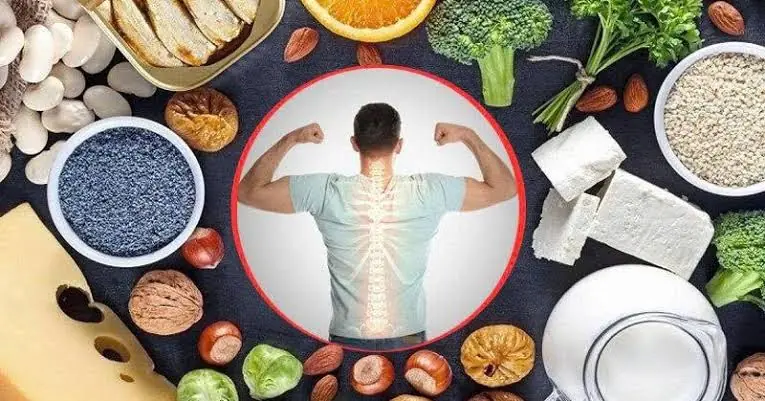
When Joint Pain Should Not Be Ignored
Diet can support general health, but it is not a substitute for medical evaluation.
You should consider seeing a healthcare professional if you experience:
-
Joint pain that persists or gradually worsens.
-
Repeated swelling or warmth around a joint.
-
Morning stiffness that lasts a long time.
-
Difficulty walking, climbing stairs, or using your hands.
-
Joint pain that interferes with sleep or everyday activities.
-
Unexplained weakness or reduced movement.
A joint that suddenly becomes very painful, red, hot, and swollen requires urgent medical assessment, particularly if you also have a fever. These symptoms can sometimes indicate an infection or another condition that needs prompt treatment.
Do not delay care while waiting for dietary changes to work.
Final Thoughts: Small Changes on Your Plate Can Support Healthier Movement
Healthy joints are essential for maintaining independence, mobility, and quality of life.
Whether you are walking through the neighborhood, exercising, gardening, playing with children, or simply moving around your home, your joints help make everyday activities possible.
Although no vegetable can guarantee protection against arthritis or reverse existing joint damage, a diet rich in colorful, nutrient-dense produce can support the bones, muscles, and connective tissues involved in movement.
Broccoli, spinach, kale, red bell peppers, carrots, sweet potatoes, tomatoes, Brussels sprouts, red cabbage, onions, and garlic are all useful additions to a varied eating pattern.
Their vitamins, minerals, fiber, and plant compounds contribute to overall health and help provide the nutrients your body needs.
The most important thing is not to focus on one so-called miracle vegetable. Instead, aim for variety, balanced meals, regular movement, adequate sleep, and a healthy body weight.
You do not have to change your entire diet overnight.
Start by adding broccoli to dinner, including spinach in breakfast, choosing a colorful salad at lunch, or replacing a heavily processed snack with fresh vegetables.
Small choices, repeated consistently, can make a meaningful contribution to your long-term health.
Your joints carry you through countless moments every day. Giving your body the nutrients and care it needs is one practical way to help keep you moving comfortably for years to come.