Your kidneys work quietly every day, filtering waste and excess fluid from your blood, helping regulate minerals and electrolytes, supporting blood pressure control, and contributing to several other important functions.
Because kidney health is closely connected with conditions such as high blood pressure and diabetes, what you eat can be an important part of an overall kidney-friendly lifestyle.
But there is an important distinction to make: no single food can “clean,” detox, or repair the kidneys on its own. A healthy diet supports kidney function as part of a broader approach that includes appropriate medical care, physical activity, adequate hydration, and management of underlying conditions.
For many people with healthy kidneys, a varied diet containing fruits, vegetables, whole grains, lean proteins, and healthy fats can provide valuable nutrients while helping limit excessive sodium and highly processed foods.
Here are 12 foods that may fit into a kidney-supportive eating pattern.
1. Berries
Berries are an easy addition to a balanced diet.
Blueberries, strawberries, raspberries, and blackberries provide fiber and a variety of vitamins, minerals, and antioxidant compounds.
Their naturally sweet flavor can also make them a useful alternative to desserts containing large amounts of added sugar.
Antioxidants help protect cells from oxidative stress, although that does not mean eating berries can prevent or reverse kidney disease by itself.
Try adding fresh or frozen berries to oatmeal, plain yogurt, or a smoothie.
If you have chronic kidney disease and have been instructed to restrict potassium or phosphorus, ask your healthcare professional which fruits and portions are appropriate for you.
2. Apples
Apples provide fiber, particularly when the skin is eaten after being properly washed.
They are also naturally low in sodium and contain several beneficial plant compounds.
An apple can be an easy snack when you're trying to replace highly processed foods.
Instead of pairing apples with heavily salted snacks, consider combining them with a modest portion of unsalted nuts or another nutritious food that fits your dietary needs.
As with all foods, portion size and individual medical conditions matter.
3. Cabbage
Cabbage is a versatile vegetable that can be eaten raw, steamed, roasted, or added to soups and stir-fries.
It provides vitamin C, vitamin K, fiber, and other plant compounds while naturally containing very little sodium.
One advantage of vegetables such as cabbage is that they can add volume and variety to meals without requiring large amounts of salt.
Try using shredded cabbage in salads or lightly sautéing it with garlic and herbs instead of relying on salty sauces.
4. Cauliflower
Cauliflower can be an especially useful vegetable for people looking for alternatives to refined carbohydrates.
It can be roasted, steamed, mashed, or incorporated into a variety of dishes.
It provides vitamin C, folate, fiber, and other nutrients.
For people with kidney disease, however, the “best” vegetables depend on the individual's stage of disease and laboratory results.
Some people may need to monitor potassium or other nutrients, while others may not.
That is why a generalized list should never replace individualized dietary advice from a renal dietitian.
5. Red Bell Peppers
Red bell peppers are colorful, crunchy, and rich in vitamin C.
They can also add flavor without requiring large amounts of sodium.
Try adding sliced peppers to salads, omelets, sandwiches, or vegetable dishes.
Roasting them can bring out their natural sweetness while keeping preparation relatively simple.
Fresh vegetables are generally preferable to heavily processed versions because packaged products may contain significant amounts of sodium.
6. Onions
Onions can make meals flavorful without relying heavily on salt.
They provide vitamin C and various plant compounds and can be used in almost every type of cuisine.
For people trying to reduce sodium, this can be especially useful.
Instead of adding another spoonful of salt, try building flavor with onions, garlic, herbs, spices, lemon juice, or vinegar.
The goal isn't simply to remove salt.
It's to make lower-sodium food enjoyable enough that you can maintain the habit long term.
7. Garlic
Garlic is another flavorful ingredient that can help reduce dependence on salt.
It contains sulfur-containing compounds and other plant chemicals that have been studied for their potential biological effects.
However, garlic should be viewed as a food rather than a treatment.
Eating garlic does not “flush toxins” from the kidneys or reverse kidney disease.
Fresh garlic can be added to roasted vegetables, soups, fish, chicken, and whole-grain dishes.
8. Olive Oil
Extra-virgin olive oil can be a useful source of unsaturated fat.
Replacing some foods high in saturated fat with sources of unsaturated fat can fit into a heart-healthy dietary pattern.
That matters for kidney health because cardiovascular health and kidney health are closely connected.
Use olive oil in moderate amounts for salad dressings, sautéing, or roasting vegetables.
Remember that oil is calorie-dense, so more isn't necessarily better.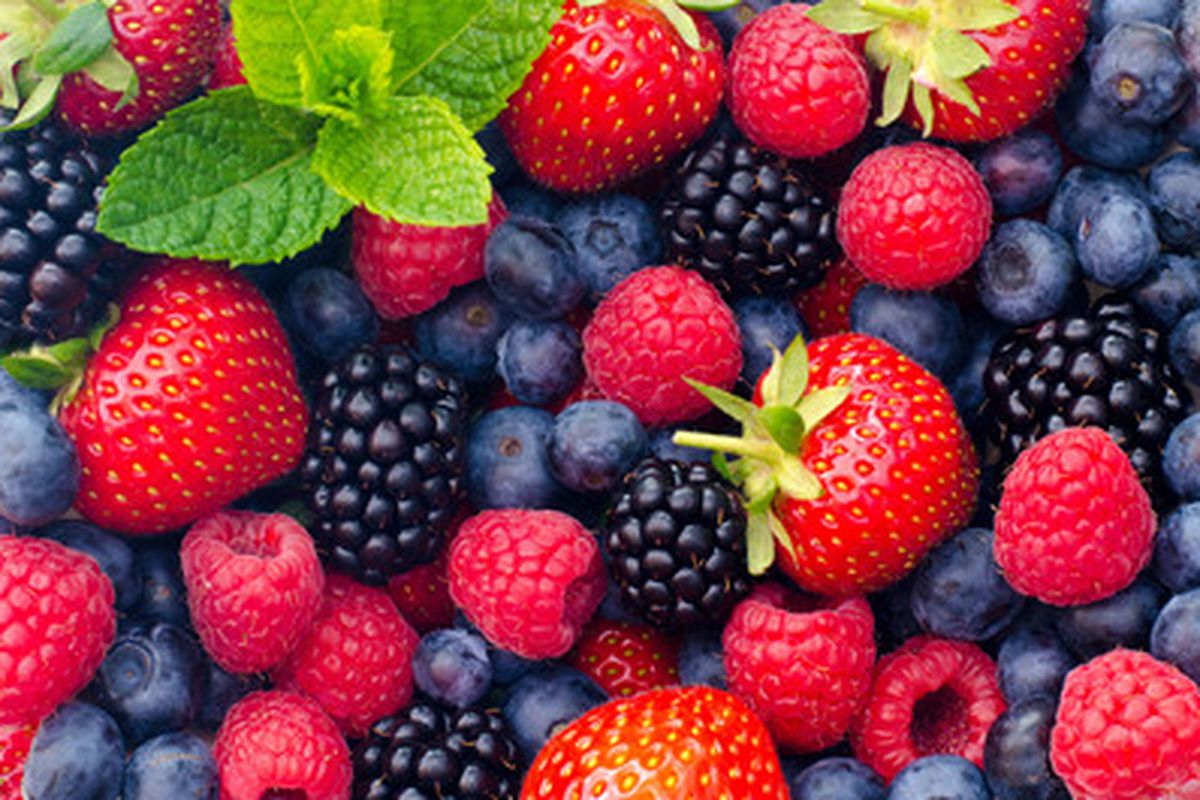
9. Fish
Fish can provide high-quality protein and, depending on the type, beneficial omega-3 fatty acids.
Fatty fish such as salmon, sardines, trout, and mackerel are particularly rich sources of omega-3 fats.
Including fish as part of a balanced diet may support cardiovascular health.
For people with chronic kidney disease, however, protein requirements can vary considerably.
Some individuals may need to moderate total protein, while others—especially those receiving dialysis—may have different protein needs.
If you have kidney disease, don't dramatically increase your protein intake without discussing it with your healthcare team.
10. Oats and Other Whole Grains
Whole grains can provide fiber, vitamins, minerals, and other nutrients.
Oatmeal is a particularly simple breakfast option.
Instead of heavily sweetened instant oatmeal, consider plain oats topped with fruit and a small amount of cinnamon.
However, people with advanced kidney disease may need individualized guidance about phosphorus, potassium, and other nutrients found in grains and other foods.
The idea that every person with kidney disease should follow exactly the same diet is incorrect.
Kidney nutrition changes depending on kidney function, blood tests, medications, and other health conditions.
11. Unsalted Nuts in Appropriate Portions
Nuts can provide healthy fats, plant protein, fiber, and other nutrients.
Choosing unsalted varieties can help reduce sodium intake.
However, nuts can also contain significant amounts of phosphorus and potassium, and portion sizes matter.