For someone with normal kidney function, nuts can be a nutritious component of a balanced diet.
For someone with advanced chronic kidney disease or abnormal electrolyte levels, however, the appropriate amount may be different.
This is a good example of why “kidney healthy” isn't a universal label.
12. Water
Although water isn't a food, it deserves a place on this list because adequate hydration is important for normal kidney function.
Your kidneys use water to help remove waste through urine.
For most healthy people, drinking regularly according to thirst and replacing fluids lost through exercise, heat, or illness can help maintain normal hydration.
But more water is not always better.
People with certain kidney, heart, or liver conditions may be instructed to limit fluid intake.
If your doctor has prescribed a specific fluid restriction, follow that guidance rather than trying to increase your water consumption because of general advice.
The Bigger Picture: What You Eat Matters More Than One “Superfood”
It's tempting to search for one food that can protect the kidneys.
But kidney health doesn't work that way.
Your overall eating pattern matters much more than any individual ingredient.
A diet that regularly contains large amounts of processed meat, salty packaged foods, sugary drinks, refined carbohydrates, and excessive calories may create problems even if you occasionally eat a serving of berries or vegetables.
A more useful approach is to build meals around minimally processed foods and limit excessive sodium, added sugars, and unhealthy fats.
Sodium Deserves Special Attention
For many people, sodium intake is particularly relevant to kidney and cardiovascular health.
Excess sodium can contribute to higher blood pressure in salt-sensitive individuals.
High blood pressure, in turn, is an important risk factor for kidney disease.
Much of the sodium people consume doesn't necessarily come from the salt shaker.
It can come from:
- Processed meats
- Canned soups
- Instant noodles
- Frozen meals
- Salty sauces
- Packaged snacks
- Fast food
- Processed cheeses
Reading nutrition labels can make a significant difference.
When possible, choose lower-sodium versions and season foods yourself.
Don't Forget About Diabetes and Blood Sugar
Diabetes is another major risk factor for chronic kidney disease.
If you have diabetes or prediabetes, maintaining healthy blood glucose levels is important for protecting the small blood vessels that supply the kidneys.
This doesn't mean eliminating carbohydrates entirely.
Instead, focus on dietary quality, appropriate portions, fiber-rich foods, and an eating pattern that helps you maintain your individual blood glucose targets.
Foods such as vegetables, whole grains, legumes, and whole fruits can often fit into a balanced eating pattern.
What If You Already Have Kidney Disease?
This is where generic “kidney superfood” lists become potentially misleading.
People with chronic kidney disease can have very different nutritional requirements depending on their:
- Stage of kidney disease
- Potassium level
- Phosphorus level
- Sodium intake
- Protein requirements
- Blood pressure
- Diabetes status
- Medications
- Dialysis status
For example, a food that is nutritious for one person may need to be limited by another person because of potassium or phosphorus levels.
That's why people with diagnosed kidney disease should consider working with a registered dietitian experienced in kidney nutrition.
Don't eliminate entire food groups without professional guidance.
Be Careful With “Kidney Detox” Products
There are many teas, powders, supplements, and herbal products marketed as kidney cleanses.
Be skeptical of claims that a drink or supplement can “flush out” toxins, dissolve kidney disease, or repair damaged kidneys.
Your kidneys already have sophisticated mechanisms for filtering the blood and eliminating waste.
Some supplements can also interact with medications or contain ingredients that may be inappropriate for people with kidney disease.
Natural does not automatically mean safe.
If you have kidney disease or take prescription medications, discuss supplements with your healthcare professional before using them.
A Simple Kidney-Friendly Meal Pattern
You don't have to completely redesign your kitchen.
A simple meal might include:
Half the plate: vegetables that fit your individual dietary needs.
One quarter: a suitable protein source.
One quarter: a whole grain or another appropriate carbohydrate.
Then add a modest amount of healthy fat and use herbs, spices, garlic, onion, lemon, or vinegar for flavor.
This isn't a universal prescription, especially for people with advanced kidney disease, but it illustrates an important principle:
Balance matters more than any single “superfood.”
Your Kidneys Need More Than a Healthy Diet
Nutrition is only one part of kidney protection.
Other important factors include maintaining healthy blood pressure, managing diabetes when present, avoiding tobacco, maintaining a healthy weight when appropriate, staying physically active, and taking medications as prescribed.
It's also important to be cautious with certain medications, including frequent or inappropriate use of nonsteroidal anti-inflammatory drugs such as ibuprofen or naproxen, particularly if you have kidney disease or other risk factors.
Always follow your healthcare professional's advice regarding medications.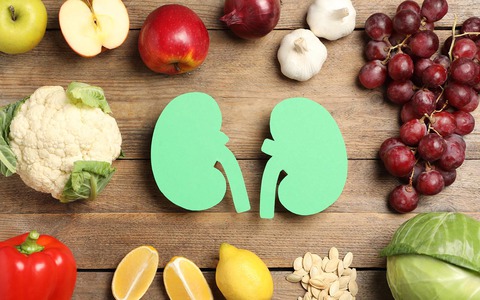
Know the Warning Signs
Kidney disease can develop quietly.
Many people with early chronic kidney disease have few or no obvious symptoms.
That's why people with risk factors may benefit from appropriate screening.
Depending on the situation, doctors may use blood tests such as serum creatinine and estimated glomerular filtration rate (eGFR) and urine testing such as the urine albumin-to-creatinine ratio (UACR).
Symptoms such as persistent swelling, blood in the urine, major changes in urination, unexplained fatigue, nausea, or shortness of breath can have many causes but should be medically evaluated when persistent or concerning.
The Bottom Line
Supporting kidney health isn't about finding a magical food.
It's about creating a dietary pattern that gives your body the nutrients it needs while avoiding excessive sodium, highly processed foods, and other dietary factors that may contribute to health problems.
Berries, apples, cabbage, cauliflower, red peppers, onions, garlic, olive oil, fish, whole grains, appropriately portioned nuts, and adequate fluids can all fit into a healthy eating pattern for many people.
But if you already have chronic kidney disease, don't assume that every food on a generic “kidney-friendly” list is automatically appropriate for you.
Your kidney function and blood tests matter.
Ultimately, the best diet is one that fits your health status, your nutritional needs, and your medical guidance.
Your kidneys work around the clock without asking for attention. Giving them a balanced, thoughtful diet is one practical way to support the work they do every day.