Garlic is widely recognized for its nutritional value and potential health benefits. However, consuming garlic improperly may lead to digestive discomfort or other health concerns.
Here are five common mistakes to avoid when eating garlic.
1. Eating Garlic on an Empty Stomach
Raw garlic contains allicin, a powerful sulfur compound that can irritate the stomach lining.
Eating raw garlic without food may cause:
- Stomach pain
- Nausea
- Digestive upset
People with conditions such as Gastritis or Peptic Ulcer Disease may be especially sensitive.
2. Eating Too Much Garlic
Consuming excessive amounts of garlic may lead to:
- Indigestion
- Heartburn
- Intestinal irritation
- Mouth ulcers
- Acne breakouts
Because garlic is highly concentrated in bioactive compounds, moderation is important.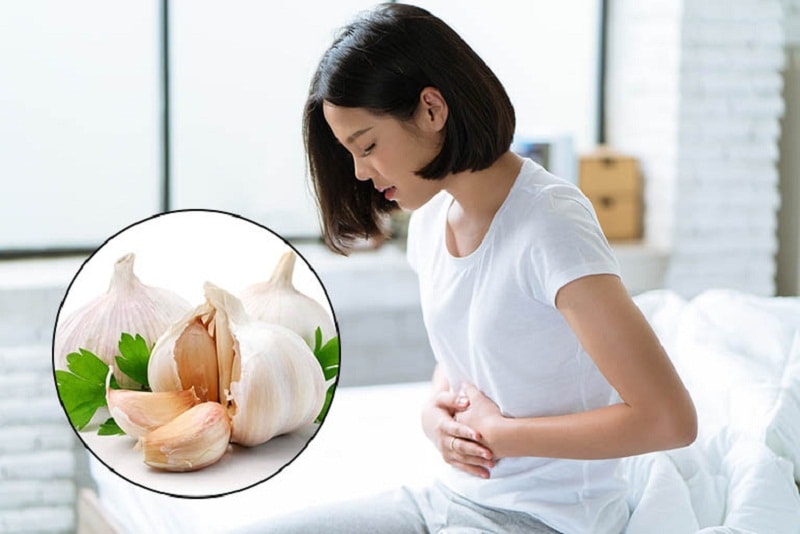
3. Eating Garlic While Taking Certain Medications
Garlic may interact with some medications, including:
- Blood thinners
- Diabetes medications
- Blood pressure medications
These interactions may affect how the medications work or increase the risk of bleeding. If you take prescription medications regularly, consult your healthcare provider before significantly increasing your garlic intake.
4. Cooking Garlic for Too Long
Allicin, the main beneficial compound in garlic, is sensitive to heat and can be reduced during prolonged high-temperature cooking.
To preserve more of garlic’s natural compounds:
- Crush or finely chop the garlic.
- Let it rest for 5–10 minutes before cooking.
- Cook briefly over moderate heat.

5. Using Sprouted or Spoiled Garlic
Garlic that is moldy or deteriorating should be discarded.
While sprouted garlic is often still edible, older bulbs may have reduced flavor and nutrient quality. Garlic showing signs of spoilage or mold should not be consumed.
The Bottom Line
Garlic can be a flavorful and nutritious addition to your diet, but how you consume it matters. Avoiding these five common mistakes may help you enjoy its benefits while reducing the risk of digestive discomfort and unwanted interactions.