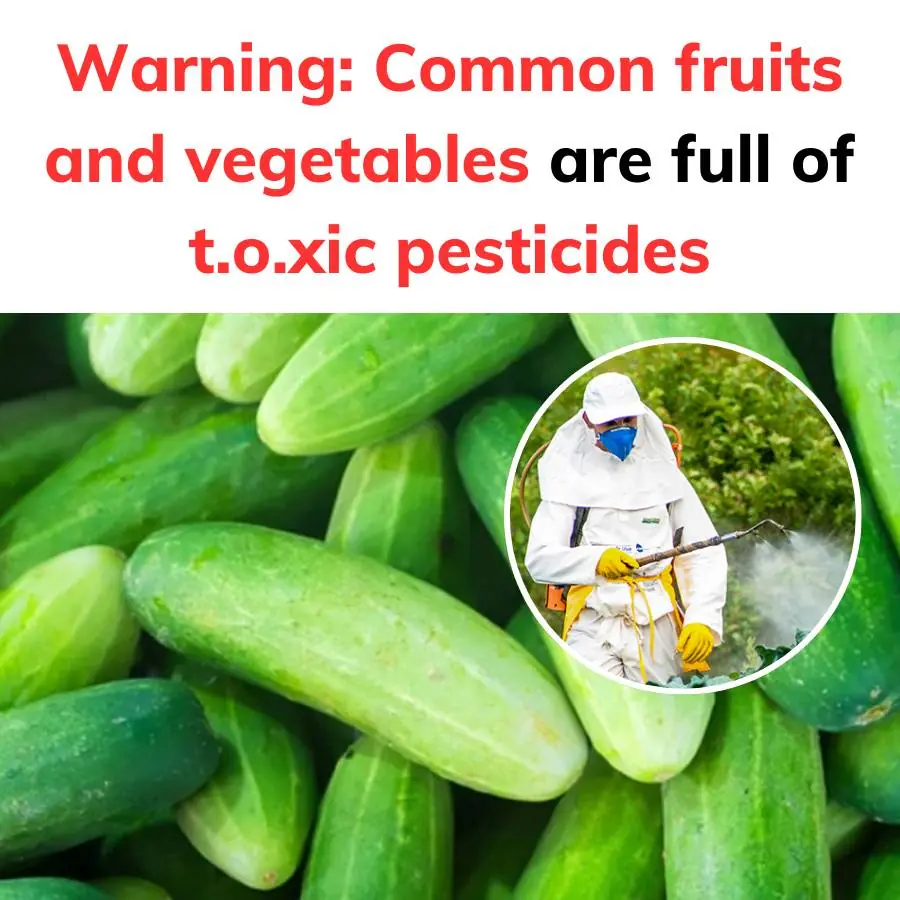
There are some fruits and vegetables that are considered to have a high risk of pesticide residues, especially when farming and quality control procedures are not strictly implemented. Here are some fruits and vegetables that you should pay attention to:
Spinach: Every year, the US Environmental Working Group (EWG) publishes a list of "Dirty 12 foods". In the 2024 list of EWG, spinach is on this list. Some samples of this vegetable have been found to have high levels of pesticide residues, including permethrin - a chemical that can harm the nervous system.
Kale, mustard greens, and collards: Residues of herbicides such as DCPA (Dacthal) in these vegetables have been classified by the US Environmental Protection Agency as potential human carcinogens.
Bell peppers and hot peppers: Both peppers have been found to contain various pesticide residues, including acephate and chlorpyrifos, which are organophosphates that can affect the nervous system.
Potatoes: According to Food Revolution, potatoes may still contain pesticide residues. Washing and peeling will reduce the risk, but will not completely remove these chemicals.
Green beans: Recent analyses have found pesticide residues on green beans, including methamidophos, a pesticide that has been banned in the US for more than 10 years due to health concerns.
Cucumbers: Studies have shown that cucumbers can retain pesticide residues even after washing. Peeling can help reduce the levels of chemicals, but some types can penetrate deeper into the skin.
Health effects
According to the Guardian, long-term exposure to residual pesticides has been linked to a number of health problems, including endocrine disruption, neurological problems, and an increased risk of cancer. Children and pregnant women are most vulnerable.
Reduction measures
1. Choose organic foods: Organic farming standards limit the use of synthetic pesticides, helping to reduce residues on vegetables. However, some organic foods can still be affected by environmental pollution.
2. Wash and peel carefully: Washing food with water can remove some pesticide residues on the surface, but it does not guarantee complete removal, especially those that have penetrated inside. Using a brush and peeling will help reduce the risk of contamination.
While the health benefits of eating fruits and vegetables are well established, it is important to be aware of the risks associated with pesticides. By choosing organic foods when possible, washing and peeling them thoroughly, and following information from reliable sources, you can effectively limit your exposure to pesticide residues.