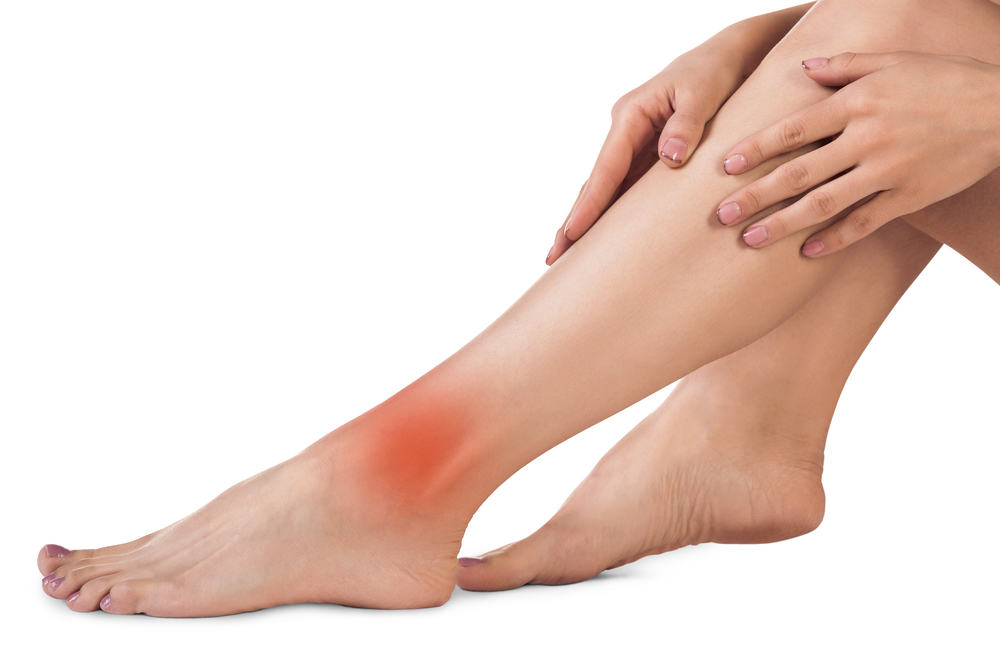
If your legs or feet feel uncomfortable once you lie down- aching, cramping, tingling, or unusually cold it might be more than a minor nuisance. Nighttime symptoms can sometimes reflect reduced circulation, especially when they appear consistently or worsen over time.
This doesn’t mean every symptom is serious. But understanding the patterns can help you decide when to adjust habits and when to get checked.
🧠 Why Symptoms Often Show Up at Night
During the day, movement helps your muscles pump blood back toward the heart. At night:
- You’re lying still
- Circulation slows slightly
- Fluid and blood flow patterns change
If there’s already some limitation in blood flow, symptoms can become more noticeable.
⚠️ 1. Leg Pain or Cramping While Resting
A key warning sign is pain that appears when you’re at rest, especially in the calves or feet.
What it feels like:
- Tight, cramping sensation
- Deep aching in the lower leg
- Relief when you move or massage the area
This can be associated with reduced blood flow to the muscles.
🦵 2. Cold Feet (Even in a Warm Room)
Poor circulation can make your feet feel unusually cold.
Clues:
- One foot colder than the other
- Persistent cold sensation at night
- Difficulty warming your feet
🧩 3. Tingling or “Pins and Needles”
A reduced or altered blood supply may affect nerve function.
Symptoms:
- Tingling
- Numbness
- Crawling sensations
These may come and go, especially when lying still.
🦶 4. Burning Sensation in the Feet
Some people experience a burning or uncomfortable heat in the feet at night.
This may be linked to:
- Circulation changes
- Nerve irritation
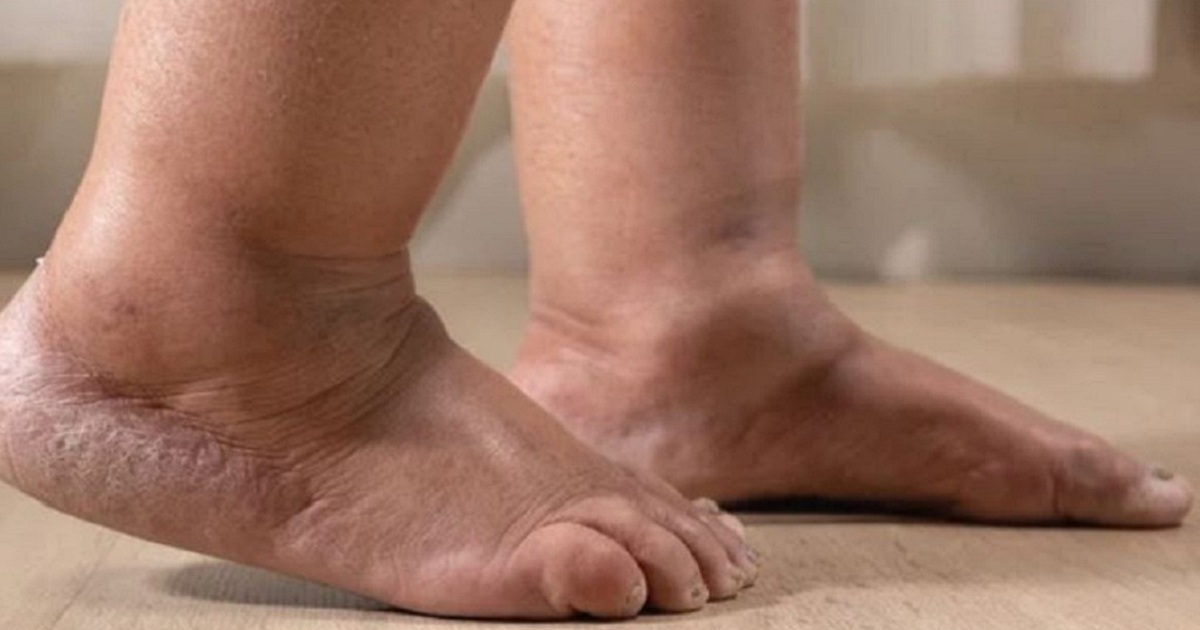
🩸 5. Skin Color Changes
Reduced blood flow can affect skin appearance.
Watch for:
- Pale or bluish tone
- Shiny or thin skin
- Slow healing of minor cuts
🦴 6. Weak Pulse in the Feet
In more advanced cases, pulses in the feet may feel weak.
This is not something most people check daily, but it’s a clinical sign of circulation issues.
🚶 7. Pain That Improves When You Move
One important pattern:
- Pain appears when resting
- Improves when you stand up or walk
This can indicate that movement is temporarily improving circulation.
⚠️ What Conditions Could Be Behind This?
These symptoms may be linked to:
- Reduced blood flow in the arteries (circulatory issues)
- Nerve-related conditions
- Muscle fatigue or electrolyte imbalance
Not all cases are serious—but persistent patterns deserve attention.
🚨 When Should You Be Concerned?
You should consider medical evaluation if:
- Symptoms occur every night
- Pain wakes you up regularly
- One leg is noticeably worse than the other
- You have risk factors like:
- Smoking
- Diabetes
- High blood pressure
🛠️ What You Can Do to Improve Circulation
✔️ Stay Physically Active
Walking improves blood flow more than any quick fix.
✔️ Elevate Your Legs (Moderately)
Helps with fluid balance—but don’t over-elevate if it worsens symptoms.
✔️ Keep Warm
Warm socks or blankets can help reduce discomfort.
✔️ Stay Hydrated
Supports overall circulation and muscle function.
✔️ Avoid Smoking
Smoking significantly reduces blood flow.
🧠 What Your Body Is Trying to Tell You
Nighttime discomfort in your legs and feet is often your body’s way of signaling:
- Circulation isn’t optimal
- Muscles or nerves are under stress
- Lifestyle factors may need adjustment
💡 Final Thoughts
Occasional cramps or cold feet at night are common. But when symptoms become persistent, patterned, and disruptive, they may point to circulation issues that shouldn’t be ignored.
The goal isn’t to worry - it’s to notice patterns early and respond appropriately.
Because when it comes to circulation, small signals at night can sometimes be the first signs your body gives during the day.