Warning Signs of Blocked Arteries in the Legs and Feet at Night—Don’t Ignore These Symptoms
Many people associate blocked arteries with heart attacks or chest pain. But in reality, circulation problems can also affect the legs and feet—and the warning signs often appear at night.
Health experts say these symptoms may be linked to Peripheral Artery Disease, a condition where narrowed or blocked arteries reduce blood flow to the limbs.
Left unnoticed, it can increase the risk of serious complications, including stroke and heart disease.
Why Symptoms Often Appear at Night
During the day, movement helps stimulate blood circulation. But at night—especially when lying down—blood flow may decrease further in already narrowed arteries.
As a result, symptoms that seem mild during the day can become more noticeable or even painful at night.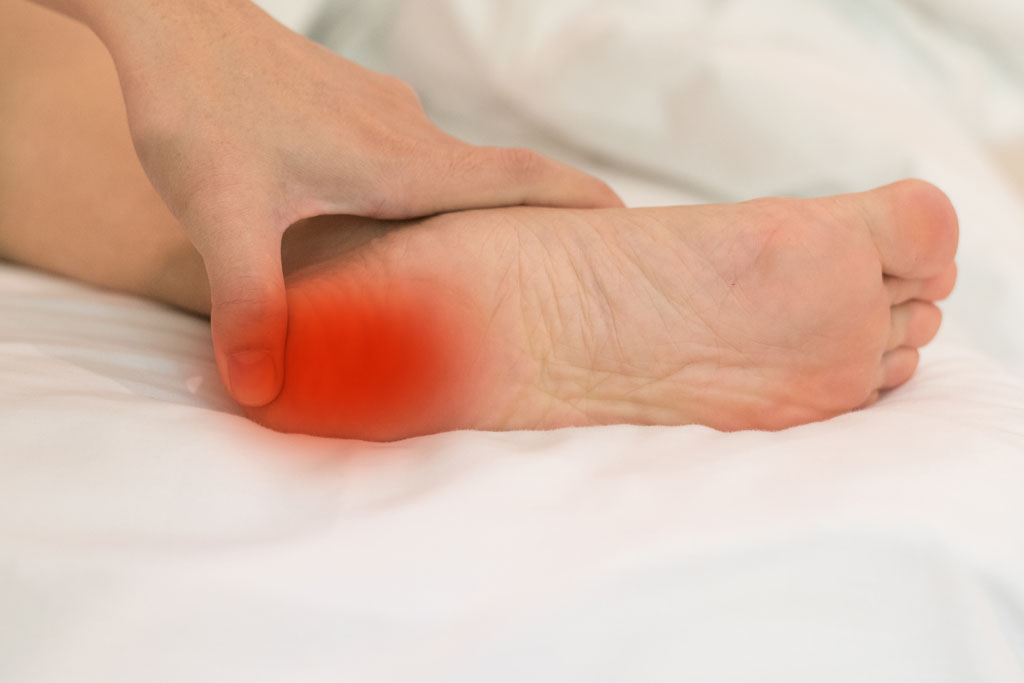
1. Leg or Foot Pain While Resting
One of the most concerning signs is pain in the legs or feet even when you’re not moving.
This may feel like:
- Burning
- Cramping
- Aching discomfort
In more advanced cases, the pain can become severe enough to disturb sleep.
2. Pain That Improves When You Lower Your Legs
A distinctive symptom is pain that:
- Gets worse when lying flat
- Improves when you sit up or hang your legs off the bed
This happens because gravity helps increase blood flow to the lower limbs when they are lowered.
3. Cold Feet or Temperature Changes
If one foot or leg feels noticeably colder than the other, it may signal reduced circulation.
Blocked arteries can limit warm, oxygen-rich blood from reaching the extremities, causing:
- Cold sensations
- Pale or bluish skin
4. Tingling, Numbness, or “Pins and Needles”
Reduced blood flow can affect nerve function, leading to:
- Tingling sensations
- Numbness
- Weakness in the legs or feet
These symptoms may become more noticeable at night when the body is at rest.
5. Sores or Wounds That Heal Slowly
Poor circulation means less oxygen and nutrients reach the skin, which can lead to:
- Slow-healing cuts
- Ulcers on the feet or toes
This is a serious warning sign that should not be ignored.
6. Skin Color or Texture Changes
Changes in the appearance of the skin may include:
- Pale, shiny, or bluish skin
- Reduced hair growth on the legs
- Thickened or slow-growing toenails
These signs often indicate long-term circulation problems.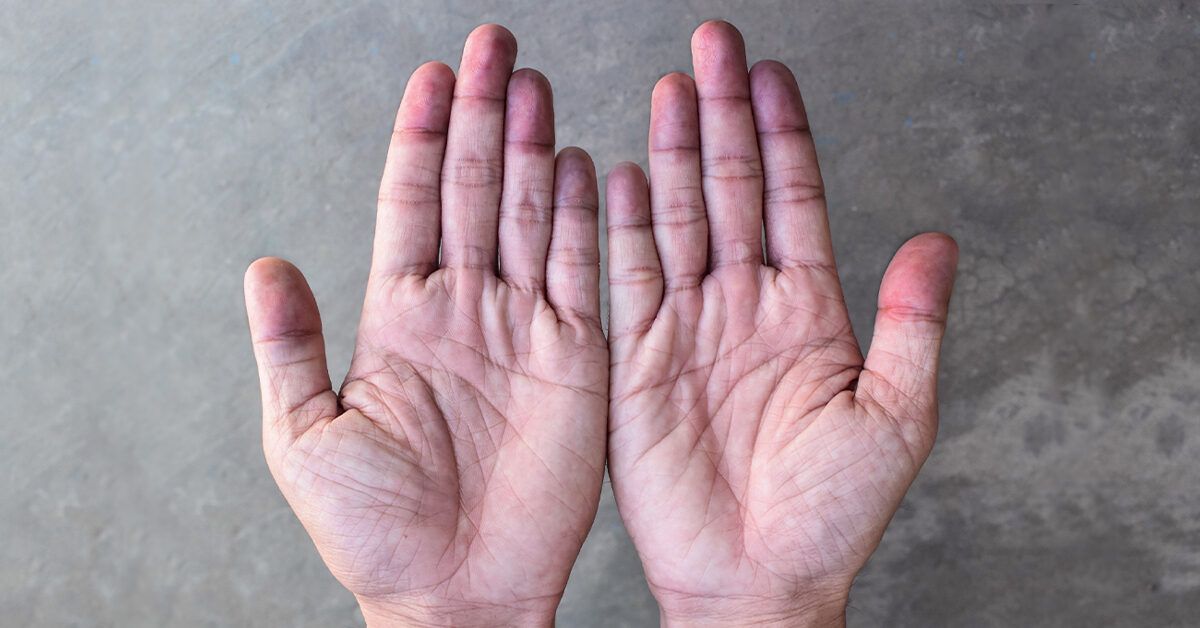
The Bigger Picture
Blocked arteries in the legs are not just a local issue—they are often part of a wider problem involving blood vessels throughout the body.
Conditions like Peripheral Artery Disease are linked to the same process (atherosclerosis) that can cause heart attacks and strokes.
When to Seek Medical Attention
You should consider seeing a doctor if you notice:
- Persistent leg or foot pain at night
- Cold or discolored feet
- Numbness or unusual sensations
- Wounds that do not heal
Early detection can help prevent serious complications and improve treatment outcomes.
The Bottom Line
Nighttime discomfort in your legs or feet may seem harmless—but it could be your body’s way of signaling a deeper problem.
Recognizing these warning signs early can make a critical difference. When it comes to circulation issues, it’s always better to act sooner rather than later.