However, long before a formal diagnosis is made, our bodies often send out subtle distress signals in the dark. Because nighttime is when the body attempts to rest, repair, and regulate metabolic processes, specific symptoms related to fluctuating blood sugar levels frequently become much more noticeable after the sun goes down. Recognizing these nocturnal warning signs can be the key to catching the condition early.
Why Nighttime Amplifies Blood Sugar Symptoms
When blood glucose levels are unregulated—whether due to insulin resistance or insufficient insulin production—the body's internal balance is disrupted. During the day, constant physical activity, meals, and distractions can mask minor physiological shifts. At night, however, as the body lies still for hours, certain metabolic reactions and nerve sensitivities become more prominent, making nocturnal symptoms harder to ignore.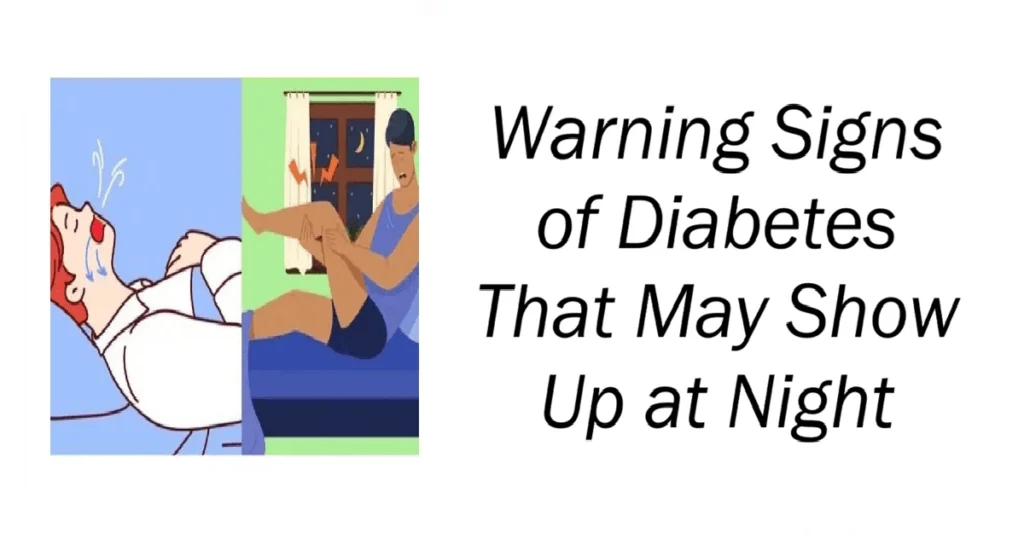
Key Diabetes Warning Signs to Watch For at Night
Medical experts point out several unusual symptoms that occur exclusively or more intensely during sleeping hours, signaling that blood sugar levels may be out of balance:
-
Frequent Nighttime Urination (Nocturia): When excess glucose builds up in the bloodstream, the kidneys work overtime to filter and flush out the extra sugar, pulling fluids from tissues. This often leads to waking up multiple times during the night to use the bathroom.
-
Unquenchable Thirst and Dry Mouth: Directly linked to frequent urination, dehydration sets in quickly, causing individuals to wake up with a parched throat, dry mouth, and an intense craving for water in the middle of the night.
-
Nocturnal Sweats and Temperature Fluctuations: Unstable blood sugar levels can trigger autonomic nervous system responses, leading to sudden night sweats, chills, or feeling unusually hot and cold while trying to sleep.
-
Numbness, Tingling, or Pain in the Limbs: High blood sugar over time can damage peripheral nerves (diabetic neuropathy). At night, when distractions fade, a persistent pins-and-needles sensation, burning, or sharp cramps in the feet and legs often intensifies.
-
Bizarre or Vivid Nightmares: Severe spikes or drops in blood glucose (hyperglycemia or nocturnal hypoglycemia) can disrupt deep sleep cycles and release stress hormones like adrenaline, occasionally resulting in restless sleep, anxiety, or vivid nightmares.
Taking Action and Protecting Your Health
While experiencing one or two of these symptoms occasionally can be caused by everyday factors—such as drinking too much water before bed or a heavy meal—persistent nighttime patterns warrant professional medical evaluation. A simple fasting blood glucose test or an HbA1c test can provide definitive answers and peace of mind.
The Bottom Line
Listening to what your body tries to tell you in the quiet hours of the night is a crucial part of proactive health management. Recognizing early nocturnal warning signs of diabetes allows you to take control of your metabolic wellness, seek timely medical advice, and make lifestyle changes before minor issues turn into major health concerns.