Warning Signs You May Be Experiencing a Brain Hemorrhage — Don’t Ignore Them or You May Regret It Too Late
A brain hemorrhage is one of the most dangerous medical emergencies a person can experience. It occurs when a blood vessel ruptures inside the brain, causing bleeding that damages surrounding brain tissue. Unlike many illnesses that develop gradually, a brain hemorrhage can escalate rapidly — sometimes within minutes — and can be fatal if not treated immediately.
What makes brain hemorrhage especially frightening is that early warning signs are often subtle, easily confused with fatigue, stress, or minor neurological issues. Many people delay seeking medical care, believing the symptoms will pass. Unfortunately, that delay can cost lives.
Understanding the warning signs can mean the difference between survival and irreversible brain damage.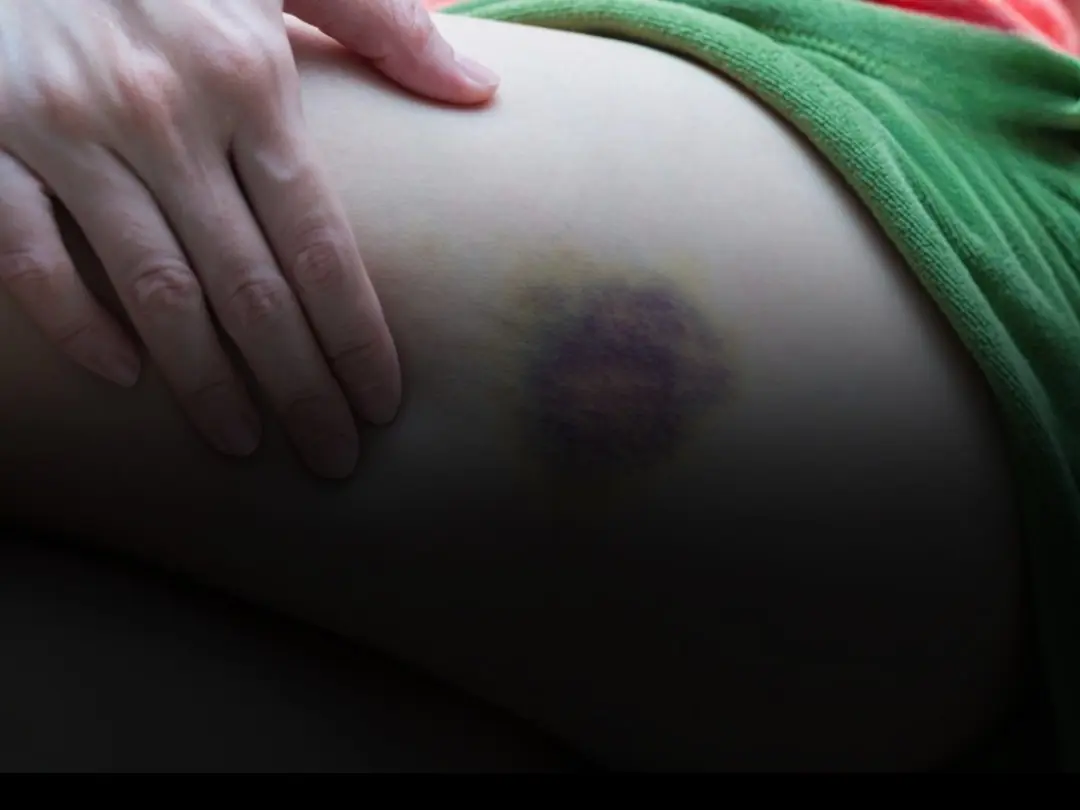
What Is a Brain Hemorrhage?
A brain hemorrhage, also known as intracerebral hemorrhage, happens when bleeding occurs inside or around the brain. The bleeding increases pressure inside the skull, depriving brain cells of oxygen and nutrients.
Common risk factors include:
-
High blood pressure
-
Head trauma
-
Blood-thinning medications
-
Aneurysms or weak blood vessels
-
Smoking, excessive alcohol use
-
Certain blood disorders
However, brain hemorrhage can also occur in people with no obvious risk factors, making awareness even more important.
1. Sudden, Severe Headache Unlike Any You’ve Had Before
One of the most common early signs is a sudden, intense headache that appears without warning.
This headache may:
-
Come on rapidly
-
Feel explosive or unbearable
-
Be described as the “worst headache of your life”
Unlike tension headaches or migraines, this pain does not gradually build and does not respond to rest or pain medication.
2. Unexplained Bruising or Bleeding Under the Skin
Unusual bruising, especially when it appears without injury, may indicate problems with blood clotting or vessel integrity.
In some cases:
-
Bruises appear suddenly
-
Skin discoloration spreads
-
Minor pressure causes bleeding
This can be an external sign of internal bleeding tendencies, increasing the risk of hemorrhage in the brain.
3. Sudden Weakness or Numbness on One Side of the Body
Brain hemorrhage often affects one side of the brain, leading to one-sided symptoms.
Watch for:
-
Weakness in one arm or leg
-
Drooping on one side of the face
-
Loss of coordination or balance
These symptoms are frequently mistaken for exhaustion or nerve compression, but they may signal active bleeding in the brain.
4. Slurred Speech or Difficulty Understanding Words
Speech problems are a critical red flag.
A person experiencing a brain hemorrhage may:
-
Slur words
-
Struggle to find the right words
-
Have trouble understanding simple sentences
Any sudden change in speech or comprehension requires immediate emergency evaluation.
5. Vision Problems or Sudden Vision Loss
Bleeding in the brain can disrupt visual processing.
Possible symptoms include:
-
Blurred or double vision
-
Partial or complete vision loss
-
Difficulty focusing
Vision changes that appear suddenly should never be ignored, especially when combined with headache or weakness.
6. Nausea, Vomiting, or Dizziness
As pressure builds inside the skull, the body reacts with nausea and vomiting.
These symptoms may:
-
Appear suddenly
-
Be severe and persistent
-
Occur alongside dizziness or loss of balance
Vomiting caused by brain hemorrhage is often abrupt and not related to food or stomach illness.
7. Confusion, Drowsiness, or Loss of Consciousness
Changes in mental status are among the most dangerous signs.
A person may:
-
Become confused or disoriented
-
Feel unusually sleepy
-
Lose consciousness or faint
These symptoms suggest increasing pressure on the brain and demand immediate emergency care.
Why Brain Hemorrhage Is Often Missed
Many early symptoms mimic common conditions such as:
-
Migraine
-
Anxiety or panic attacks
-
Fatigue or dehydration
-
Minor head injury
Because symptoms may fluctuate or appear mild at first, people often delay treatment until the bleeding worsens.
When to Seek Emergency Help
Call emergency services immediately if:
-
Symptoms appear suddenly
-
Multiple symptoms occur together
-
Symptoms worsen rapidly
-
There is a history of high blood pressure or head trauma
Brain hemorrhage is not a condition to “wait and see.” Every minute matters.
The Importance of Early Treatment
Prompt medical intervention can:
-
Reduce brain damage
-
Lower the risk of permanent disability
-
Improve survival rates
Treatment may include medications to control bleeding and pressure, intensive monitoring, or emergency surgery.
The Takeaway
A brain hemorrhage does not always come with dramatic warning signs at first. Sometimes, it begins with a headache, dizziness, or subtle weakness — signs that are easy to dismiss.
Ignoring these symptoms can lead to catastrophic consequences.
Your brain cannot afford delays.
When something feels suddenly wrong, trust your instincts and seek help immediately.
Because when it comes to brain hemorrhage, regret often comes too late.