Fatty liver disease has become one of the most common chronic liver conditions worldwide. As rates of obesity, type 2 diabetes, metabolic syndrome, and sedentary lifestyles continue to rise, so does the number of people living with excess fat in their liver often without realizing it.
One of the biggest challenges is that fatty liver disease frequently develops silently. Many people have no noticeable symptoms in the early stages, and the condition is often discovered during routine blood tests or imaging performed for another reason.
However, some individuals may experience subtle warning signs that deserve attention. While these symptoms do not necessarily mean you have fatty liver disease, they can be associated with liver problems or other medical conditions and should be discussed with a healthcare professional if they persist.
Here's what to know about nine possible early signs of fatty liver disease, why they happen, and when it's time to seek medical advice.

What Is Fatty Liver Disease?
Fatty liver disease occurs when excess fat accumulates inside liver cells.
There are two major categories:
Metabolic Dysfunction-Associated Steatotic Liver Disease (MASLD)
Previously known as non-alcoholic fatty liver disease (NAFLD), MASLD is the most common form. It is strongly associated with:
-
Overweight and obesity
-
Type 2 diabetes
-
Insulin resistance
-
High cholesterol or triglycerides
-
High blood pressure
-
Metabolic syndrome
Alcohol-Related Liver Disease
Excessive alcohol consumption can also lead to fat buildup in the liver.
Although both conditions involve fat accumulation, their causes and treatment strategies differ.
The good news is that early-stage fatty liver can often improve with lifestyle changes, especially when identified before significant liver damage develops.
1. Persistent Fatigue
One of the most frequently reported symptoms among people with fatty liver disease is ongoing fatigue.
This isn't simply feeling sleepy after a long day. Instead, it may involve:
-
Low energy
-
Feeling physically drained
-
Difficulty concentrating
-
Reduced motivation
-
Needing more rest than usual
Researchers aren't entirely certain why fatigue occurs, but several factors may contribute, including chronic inflammation, metabolic changes, poor sleep quality, and other health conditions commonly associated with fatty liver.
Because fatigue has many possible causes—including anemia, thyroid disorders, depression, sleep apnea, and vitamin deficiencies—it's important not to assume the liver is responsible without proper evaluation.
2. Discomfort or Fullness in the Upper Right Abdomen
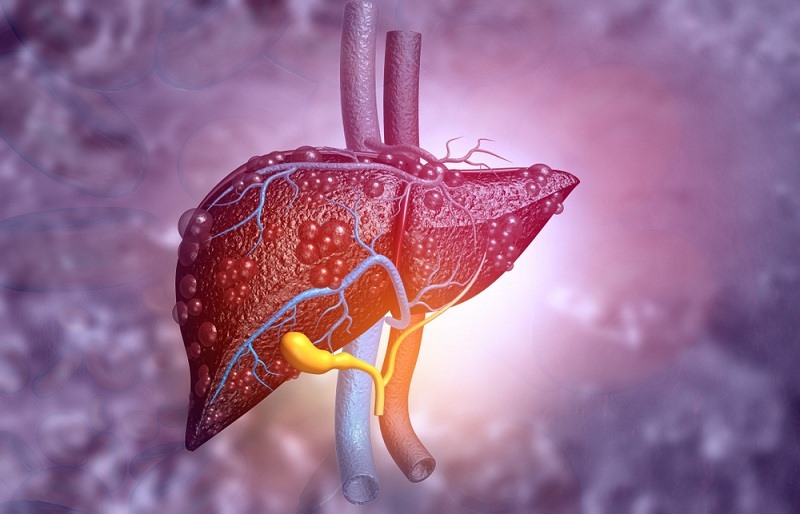
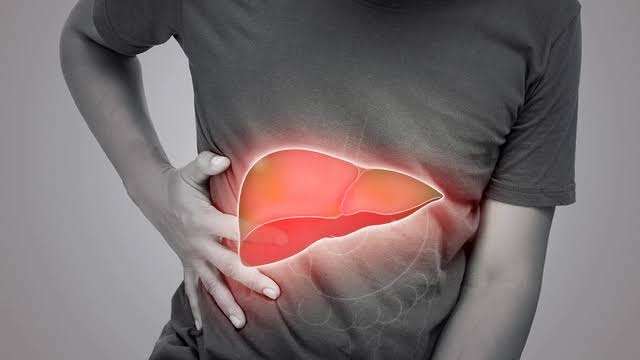
The liver sits in the upper right portion of the abdomen beneath the rib cage.
Some people with fatty liver report:
-
A dull ache
-
Mild pressure
-
A feeling of fullness
-
General discomfort on the right side
This discomfort is usually not severe or sharp.
It's thought that stretching of the liver capsule due to enlargement or inflammation may contribute to these sensations.
However, many other conditions—including gallbladder disease, stomach problems, and muscle strain—can also cause discomfort in this area.
3. Unexplained Weight Gain Around the Waist
Fatty liver disease itself doesn't usually cause weight gain.
Instead, excess abdominal fat and fatty liver often develop together because they share common metabolic risk factors.
Visceral fat—the fat stored around internal organs—is strongly associated with insulin resistance and increased liver fat.
A growing waistline, especially when accompanied by elevated blood sugar, high blood pressure, or abnormal cholesterol levels, may indicate an increased risk of metabolic dysfunction, including fatty liver disease.
4. Elevated Liver Enzymes on Blood Tests
Many people first learn they may have fatty liver because routine blood work shows elevated liver enzymes, particularly:
-
ALT (alanine aminotransferase)
-
AST (aspartate aminotransferase)
It's important to remember that:
-
Some people with fatty liver have normal liver enzyme levels.
-
Elevated liver enzymes do not automatically mean fatty liver.
They simply indicate that additional evaluation may be needed.
Your healthcare provider may recommend repeat blood tests, ultrasound imaging, or other investigations to determine the cause.
5. Increased Insulin Resistance or Prediabetes
Fatty liver disease and insulin resistance are closely connected.
In many cases, one condition can contribute to the other.
Signs that may suggest insulin resistance include:
-
Rising fasting blood sugar
-
Prediabetes
-
Type 2 diabetes
-
Increased abdominal fat
-
Elevated triglycerides
Although insulin resistance itself doesn't cause noticeable symptoms in many people, it is one of the strongest predictors of fatty liver.
If you've recently been diagnosed with prediabetes, discussing your liver health with your healthcare provider may be worthwhile.
6. High Cholesterol or Triglycerides
Abnormal blood lipids frequently accompany fatty liver disease.
Many people with MASLD have:
-
Elevated triglycerides
-
Low HDL ("good") cholesterol
-
Elevated LDL cholesterol
These abnormalities are part of the broader picture of metabolic syndrome.
Routine blood tests can identify these changes long before liver symptoms become obvious.
7. Darkening of the Skin in Body Folds
Some individuals with significant insulin resistance develop acanthosis nigricans, a condition characterized by:
-
Darkened skin
-
Thickened texture
-
Velvety appearance
It commonly affects:
-
The back of the neck
-
Underarms
-
Groin
Acanthosis nigricans is not caused directly by fatty liver, but because both conditions are associated with insulin resistance, they often occur together.
If you notice these skin changes, it's a good idea to discuss them with a healthcare professional.
8. Difficulty Losing Weight Despite Lifestyle Changes
Many people with fatty liver also struggle with weight management.
Insulin resistance, hormonal changes, reduced physical activity, and other metabolic factors may make weight loss more challenging.
While difficulty losing weight isn't a diagnostic sign of fatty liver, it can be part of the overall metabolic picture.
The most effective strategies generally combine:
-
Balanced nutrition
-
Regular physical activity
-
Strength training
-
Adequate sleep
-
Stress management
Rather than relying on extreme diets or detoxes.
9. No Symptoms at All
This may sound surprising, but having no symptoms is actually one of the most common features of early fatty liver disease.
Many people feel completely healthy.
Their condition is discovered only because of:
-
Routine blood work
-
An ultrasound
-
A CT scan
-
An MRI
-
Evaluation for another medical condition
This is one reason regular preventive healthcare is so important, especially for people with risk factors.
Who Is Most at Risk?
Fatty liver disease can affect anyone, but the risk is higher in people who have:
-
Overweight or obesity
-
Type 2 diabetes
-
Prediabetes
-
High blood pressure
-
High cholesterol or triglycerides
-
Metabolic syndrome
-
Polycystic ovary syndrome (PCOS)
-
Sleep apnea
-
A family history of metabolic disease
-
Limited physical activity
Some people with a normal body weight can also develop fatty liver, particularly if they have increased visceral fat or certain genetic risk factors.
How Is Fatty Liver Diagnosed?
Diagnosis usually involves several steps.
Medical History
Your healthcare provider will ask about:
-
Alcohol intake
-
Medications
-
Medical conditions
-
Family history
-
Lifestyle habits
Blood Tests
These may include:
-
ALT
-
AST
-
Bilirubin
-
Albumin
-
Blood sugar
-
HbA1c
-
Cholesterol
-
Triglycerides
Imaging
Common imaging tests include:
-
Ultrasound
-
FibroScan® (transient elastography)
-
CT scan
-
MRI
FibroScan can help estimate both liver fat and liver stiffness, which may indicate fibrosis.
Liver Biopsy
In selected cases, a biopsy may be recommended to determine the extent of inflammation or scarring.
Can Fatty Liver Be Reversed?
For many people, especially in the early stages, the answer is encouraging.
Lifestyle changes can significantly reduce liver fat and improve liver function.
Common recommendations include:
-
Gradual weight loss if appropriate
-
Regular physical activity
-
Eating more vegetables, fruits, legumes, and whole grains
-
Choosing lean protein sources
-
Limiting sugar-sweetened beverages
-
Reducing ultra-processed foods
-
Limiting alcohol, especially if advised by your healthcare provider
Rapid weight loss should generally be avoided unless supervised medically, as it may temporarily worsen liver problems in some cases.
Foods That May Support Liver Health
No single food can "cleanse" the liver, but an overall healthy eating pattern can support liver function.
Examples include:
-
Leafy green vegetables
-
Berries
-
Oats
-
Beans
-
Lentils
-
Fatty fish rich in omega-3 fatty acids
-
Olive oil
-
Nuts
-
Coffee (for many adults, moderate intake has been associated with a lower risk of liver fibrosis, though it may not be appropriate for everyone)
Foods Worth Limiting
People with fatty liver are often advised to reduce:
-
Sugar-sweetened beverages
-
Excess fructose from processed foods
-
Candy
-
Cakes and pastries
-
Refined grains
-
Processed meats
-
Excessive alcohol
The goal is not perfection, but developing a sustainable dietary pattern.
Exercise Matters More Than Many People Realize
Regular physical activity helps:
-
Improve insulin sensitivity
-
Reduce liver fat
-
Support weight management
-
Improve cardiovascular health
Even if weight loss is modest, exercise itself may still reduce liver fat.
Experts generally recommend a combination of:
-
Aerobic activity
-
Strength training
The best exercise is the one you can perform consistently.
Can Supplements Cure Fatty Liver?
Many supplements are marketed as liver cleansers or detox products.
Currently, there is no supplement proven to cure fatty liver disease.
Some supplements are being studied, but evidence varies, and some products may even harm the liver.
Always discuss supplements with your healthcare provider before taking them.
Common Myths About Fatty Liver
Myth 1: Only People Who Drink Alcohol Get Fatty Liver
False.
MASLD is now the most common cause of fatty liver and often occurs in people who drink little or no alcohol.
Myth 2: Fatty Liver Always Causes Symptoms
False.
Many people have no symptoms at all.
Myth 3: Only People With Obesity Develop Fatty Liver
Not true.
People at a healthy weight can also develop fatty liver, although excess abdominal fat increases risk.
Myth 4: Liver Detox Drinks Can Remove Fat
There is no good scientific evidence that detox drinks remove fat from the liver.
Healthy lifestyle changes remain the cornerstone of treatment.
Myth 5: Fatty Liver Is Harmless
Not always.
Some people remain stable for years, while others may develop inflammation, fibrosis, cirrhosis, or liver-related complications if the disease progresses.
Early detection and management are therefore important.
When Should You See a Healthcare Professional?
Seek medical evaluation if you experience:
-
Persistent fatigue
-
Ongoing upper right abdominal discomfort
-
Abnormal liver blood tests
-
New diagnosis of prediabetes or type 2 diabetes
-
Unexplained metabolic changes
-
A strong family history of liver disease
Immediate medical attention is needed for symptoms such as:
-
Yellowing of the skin or eyes (jaundice)
-
Confusion
-
Vomiting blood
-
Black stools
-
Severe abdominal swelling
-
Intense abdominal pain
These symptoms may indicate advanced liver disease or another serious condition.
The Bottom Line
Early fatty liver disease often develops quietly, but some people may notice subtle changes such as persistent fatigue, mild discomfort in the upper right abdomen, increasing abdominal fat, elevated liver enzymes, insulin resistance, abnormal cholesterol levels, or skin changes associated with metabolic dysfunction.
Importantly, many people experience no symptoms at all, making routine health checkups especially valuable for those with risk factors.
Although fatty liver disease can progress over time, early detection provides an opportunity to slow or even reverse the condition through sustainable lifestyle changes.
A balanced diet, regular physical activity, healthy weight management, good sleep, and appropriate medical follow-up remain the most effective strategies for protecting liver health.
Final Thoughts
Your liver works continuously - processing nutrients, filtering waste products, storing energy, producing essential proteins, and supporting countless metabolic functions. Because it performs these tasks quietly, liver disease can advance for years before becoming obvious.
That's why recognizing possible warning signs and understanding your personal risk factors is so important.
Remember, none of the symptoms described above can diagnose fatty liver on their own. Fatigue, abdominal discomfort, elevated liver enzymes, or changes in cholesterol levels can have many different causes.
If you have concerns, the best next step is not to rely on internet advice or "liver detox" products, but to speak with a qualified healthcare professional. With early evaluation, appropriate testing, and consistent lifestyle changes, many people can improve their liver health and reduce the risk of long-term complications.