- Dry mouth
- Mouth breathing
- Oral imbalance
which may affect throat comfort.
Not Every White Spot Is a Tonsil Stone
White spots in the throat may also occur with:
- Infections
- Inflammation
- Other medical conditions
Proper evaluation is important if symptoms are unusual or persistent.
Tonsil Stones Are Common but Often Misunderstood
Many people panic when they first notice tonsil stones because they:
- Look unusual
- Smell unpleasant
- Feel strange
Fortunately, they are often manageable with proper oral care and monitoring.
Final Thoughts
Tonsil stones are small hardened accumulations that form inside the tonsils when debris, bacteria, mucus, and dead cells become trapped in tonsil crypts. Although they are usually harmless, they may cause symptoms such as bad breath, throat irritation, swallowing discomfort, or the sensation of something stuck in the throat.
Good oral hygiene, hydration, gargling, and throat care may help reduce recurrence for some individuals. However, persistent pain, swelling, fever, or large recurring tonsil stones should be evaluated by a healthcare professional to rule out other conditions and determine whether further treatment is needed.
Tonsil Stones: Why Those White or Yellow Bumps Appear in Your Throat — and What You Should Do
Have you ever noticed a tiny white or yellow lump at the back of your throat and wondered what it was?
Perhaps it looked like a small pebble lodged in your tonsil. Maybe it came loose when you coughed, leaving behind an unpleasant smell. Or perhaps you have been struggling with persistent bad breath even though you brush your teeth regularly.
These symptoms may be caused by tonsil stones, medically known as tonsilloliths.
Tonsil stones are small, hardened deposits that form in the natural pockets of the tonsils. They are relatively common and usually harmless. However, they can cause unpleasant breath, throat irritation, a feeling that something is stuck in the throat, and occasional discomfort when swallowing.
The good news is that many tonsil stones require little or no treatment. Understanding why they form, how to manage them safely, and when to seek medical attention can help you avoid unnecessary worry.
What Are Tonsil Stones?
Tonsil stones are small, firm accumulations of material that develop inside the tonsils.
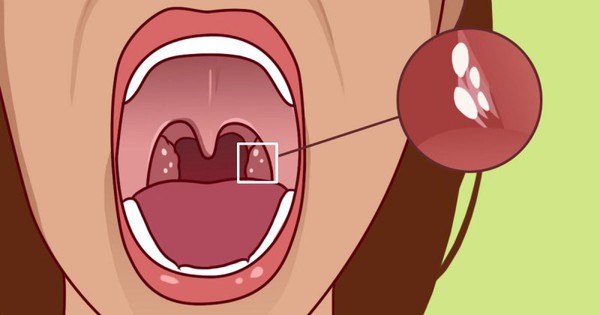
They typically appear as white, cream-colored, or yellowish spots or lumps. Some are no larger than a grain of rice, while others may become more noticeable and uncomfortable.
The medical term tonsillolith comes from words referring to the tonsils and stones.
These deposits form when material becomes trapped in small pockets on the surface of the tonsils. Over time, the trapped material can harden as minerals accumulate.
Tonsil stones are not the same as food simply sticking to the back of your throat. They develop within the tonsillar pockets and may remain there until they loosen naturally or are removed.
Many people have small tonsil stones without realizing it. Others experience repeated episodes that cause bad breath or persistent irritation.
What Are the Tonsils, and Why Do They Have Pockets?
The tonsils are two areas of soft tissue located on either side of the back of the throat.
They are part of the body's immune system and help recognize germs entering through the mouth and nose. They contain immune cells that participate in the body's response to infection.
The surface of each tonsil is not completely smooth. Instead, it contains small folds, grooves, and pockets known as tonsillar crypts.
These crypts increase the surface area of the tonsils and are part of their normal structure.
However, their shape also creates spaces where small amounts of food debris, mucus, dead cells, and microorganisms can become trapped.
For some people, these pockets are relatively shallow and rarely cause problems. For others, deeper crypts provide more opportunities for material to accumulate.
This natural difference helps explain why some people develop tonsil stones repeatedly while others never experience them.
What Are Tonsil Stones Made Of?
Tonsil stones are not simply pieces of food.
They may contain a mixture of:
-
Food particles that become trapped in the tonsillar crypts.
-
Dead cells shed from the lining of the mouth and throat.
-
Mucus and saliva.
-
Bacteria and other microorganisms.
-
Minerals, including calcium-containing compounds, that contribute to hardening.
Over time, the material may become compacted and calcified, producing a small, firm lump.
The process can occur gradually. A stone may remain hidden deep within a crypt before becoming visible or loosening during coughing, swallowing, or ordinary throat movement.
Although bacteria are involved in the formation and odor of tonsil stones, their presence does not automatically mean that someone has a dangerous infection.
Why Do Tonsil Stones Smell So Bad?
One of the most frustrating symptoms of tonsil stones is bad breath, also called halitosis.
Some people notice a persistent unpleasant smell despite brushing their teeth, flossing, and using mouthwash.
The reason is that bacteria living in the mouth and trapped material can break down proteins and release volatile sulfur compounds. These compounds often have a strong, unpleasant odor.