Onions are one of the most common ingredients found in kitchens around the world. They add flavor to soups, salads, stir-fries, sauces, and countless traditional dishes. Whether eaten raw, sautéed, roasted, grilled, or caramelized, onions are often treated as a simple cooking ingredient rather than a food with significant nutritional value.
However, nutrition experts have increasingly recognized that onions contain a variety of naturally occurring compounds that may support several aspects of human health.
From antioxidants and sulfur-containing compounds to prebiotic fibers and plant flavonoids, onions offer more than their distinctive smell and sharp taste. Regularly including them in a balanced diet may support cardiovascular health, digestive function, immune defenses, and the body's ability to manage oxidative stress.
But does eating onions every day actually make a difference? Can onions help protect the heart, support healthy blood sugar levels, or improve digestion? Are there situations in which eating too many onions may cause discomfort?
Understanding what onions contain, how their compounds interact with the body, and what current nutritional research suggests can help you make better decisions about including them in your daily meals.
Here is what doctors and nutrition professionals want you to know about eating onions every day.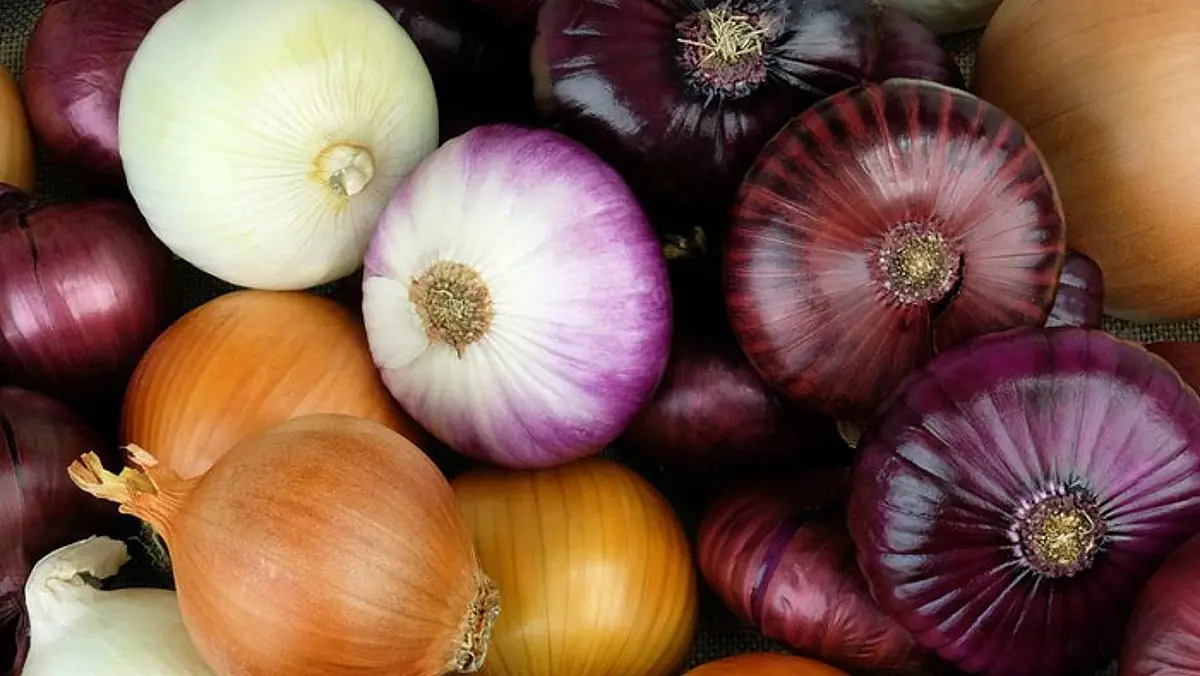
1. Onions Provide Important Nutrients Despite Being Low in Calories
One of the most interesting things about onions is that they provide several useful nutrients without contributing a large number of calories.
A medium-sized raw onion contains water, carbohydrates, fiber, and small amounts of several vitamins and minerals.
Depending on the variety and size, onions can provide:
-
Vitamin C.
-
Vitamin B6.
-
Folate.
-
Potassium.
-
Manganese.
-
Dietary fiber.
-
Naturally occurring plant antioxidants.
Vitamin C is particularly important because it contributes to normal immune function, collagen production, and protection of cells against oxidative damage.
Vitamin B6 supports normal energy metabolism and nervous system function. Folate plays an essential role in DNA synthesis and cell division.
Potassium helps regulate fluid balance and supports normal muscle and nerve function.
Although onions are not concentrated sources of every nutrient, they contribute to overall dietary variety.
This is important because a healthy eating pattern is not built around one so-called superfood. It comes from combining different vegetables, fruits, whole grains, legumes, nuts, and appropriate protein sources.
Eating onions regularly can be one simple way to increase the variety of plant foods in your diet.
2. Onions Contain Powerful Antioxidants
One of the main reasons onions attract attention from nutrition researchers is their antioxidant content.
Antioxidants are substances that help protect cells from oxidative stress. Oxidative stress occurs when the production of reactive molecules exceeds the body's ability to neutralize them effectively.
Over time, excessive oxidative stress may contribute to cellular damage and is associated with several chronic health conditions.
Onions contain several antioxidant compounds, including:
-
Quercetin.
-
Anthocyanins, particularly in red onions.
-
Other flavonoids.
-
Sulfur-containing compounds.
Quercetin is one of the most studied flavonoids found in onions.
It has attracted scientific interest because laboratory and animal studies suggest that it may have antioxidant and anti-inflammatory properties.
Different onion varieties contain different concentrations of these compounds. Red and purple onions are particularly notable because they contain anthocyanins, which contribute to their characteristic color.
However, it is important to understand that antioxidant activity observed in laboratory studies does not automatically translate into the prevention or treatment of disease in humans.
Eating onions should therefore be viewed as one part of a dietary pattern that provides a wide range of protective plant compounds.
3. Eating Onions May Support Heart Health
Cardiovascular health is one of the most frequently discussed areas of research involving onions.
Heart disease is influenced by several factors, including blood pressure, cholesterol levels, blood vessel function, smoking, physical activity, genetics, and overall dietary habits.
Onions contain plant compounds that researchers have investigated for their possible effects on cardiovascular health.
Quercetin, for example, has been studied for its potential influence on blood vessel function, inflammation, and blood pressure regulation.
Some human studies suggest that quercetin supplementation may modestly affect blood pressure in certain groups. However, supplement studies do not prove that eating ordinary amounts of onions will produce the same effects.
Onions also contain compounds that may influence processes involved in vascular health.
A healthy cardiovascular diet generally emphasizes:
-
Vegetables and fruits.
-
Whole grains.
-
Beans and other legumes.
-
Nuts and seeds.
-
Fish and other appropriate protein sources.
-
Unsaturated fats.
-
Limited sodium and highly processed foods.
Adding onions to these meals can improve flavor without requiring excessive salt, making them a useful ingredient for people trying to reduce sodium intake.
For example, fresh onions can add flavor to salads, homemade soups, bean dishes, and vegetable-based meals.
The important takeaway: Onions may contribute to a heart-healthy eating pattern, but they are not a treatment for high blood pressure, high cholesterol, or cardiovascular disease.
4. Onions May Help Support Healthy Blood Sugar Regulation
Blood sugar regulation is another area where onions have attracted scientific attention.
Maintaining healthy blood glucose levels is important for everyone, especially people with prediabetes, diabetes, or risk factors for metabolic disease.
Onions contain sulfur compounds and flavonoids that have been investigated for possible effects on glucose metabolism.
Some experimental studies suggest that these compounds may influence insulin-related pathways and processes involved in glucose regulation.
However, much of this evidence comes from laboratory or animal research. Human evidence remains limited, and onions should not be considered a proven way to lower blood sugar.