It is also important to recognize that blood vessel health depends on many factors.
Regular physical activity, not smoking, managing blood pressure, controlling cholesterol, maintaining healthy blood glucose levels, and eating a balanced diet all contribute to cardiovascular health.
Onions can be included in this broader approach because they provide useful plant compounds and can make healthy meals more flavorful.
10. Eating Onions May Help Increase Overall Fiber Intake
Fiber is essential for maintaining digestive health.
It helps regulate bowel movements, supports beneficial gut bacteria, and can contribute to feelings of fullness after meals.
A diet that consistently provides adequate fiber is associated with several health benefits, including improved bowel regularity and better long-term metabolic health.
Although onions are not among the highest-fiber vegetables, they contribute to daily fiber intake.
Their value becomes more significant when they are eaten alongside other fiber-rich ingredients.
For example, adding onions to a meal containing beans, vegetables, and whole grains creates a combination of different fiber sources.
A variety of fiber types is useful because different intestinal bacteria can utilize different fibers.
If you are increasing your fiber intake, do so gradually and drink enough water.
Increasing fiber too quickly may cause bloating, gas, or abdominal discomfort, particularly in people who are not accustomed to eating many high-fiber foods.
11. Onions May Help Improve the Nutritional Quality of Everyday Meals
One practical advantage of onions is how easily they can be incorporated into different cuisines.
Many people struggle to eat enough vegetables because they find plain vegetables unappealing.
Onions can improve the flavor of meals without requiring large amounts of salt, sugar, or heavy sauces.
They can be used in:
-
Vegetable soups.
-
Bean and lentil dishes.
-
Fresh salads.
-
Stir-fried vegetables.
-
Homemade tomato sauces.
-
Omelets.
-
Roasted vegetable dishes.
-
Whole-grain bowls.
-
Homemade stews.
Onions also pair well with garlic, tomatoes, peppers, leafy greens, and legumes.
This makes them a convenient ingredient for improving dietary variety.
For people trying to reduce their intake of highly processed foods, preparing meals at home with vegetables and natural seasonings can be a useful strategy.
Onions are not a magic ingredient, but they can make nutritious meals more enjoyable and easier to maintain over time.
12. Raw Onions and Cooked Onions: Which Is Better?
One common question is whether raw onions are healthier than cooked onions.
The answer depends on which nutritional compounds you are considering.
Raw onions retain many heat-sensitive nutrients and plant compounds because they have not been exposed to cooking temperatures.
They also provide their natural crunchy texture and sharp flavor.
However, cooking changes the structure and availability of certain compounds.
Some flavonoids may remain relatively stable during ordinary cooking, while others can decrease depending on the temperature, duration, and cooking method.
Boiling onions may cause some water-soluble compounds to move into the cooking water. If that liquid is discarded, some nutrients may be lost.
Sautéing, roasting, and grilling can produce different nutritional changes.
There is no single cooking method that preserves every beneficial compound.
Benefits of Eating Raw Onions
Raw onions can be added to:
-
Salads.
-
Sandwiches.
-
Fresh vegetable dishes.
-
Homemade salsa.
-
Wraps.
-
Cold noodle dishes.
They provide a crisp texture and strong flavor.
However, raw onions may be harder to tolerate for people with sensitive digestive systems.
Benefits of Eating Cooked Onions
Cooking onions can make them softer, sweeter, and easier for some people to digest.
They are particularly useful in:
-
Soups.
-
Stews.
-
Stir-fries.
-
Roasted vegetables.
-
Sauces.
-
Egg dishes.
Gentle cooking is a practical option for people who enjoy onions but find their raw form too strong.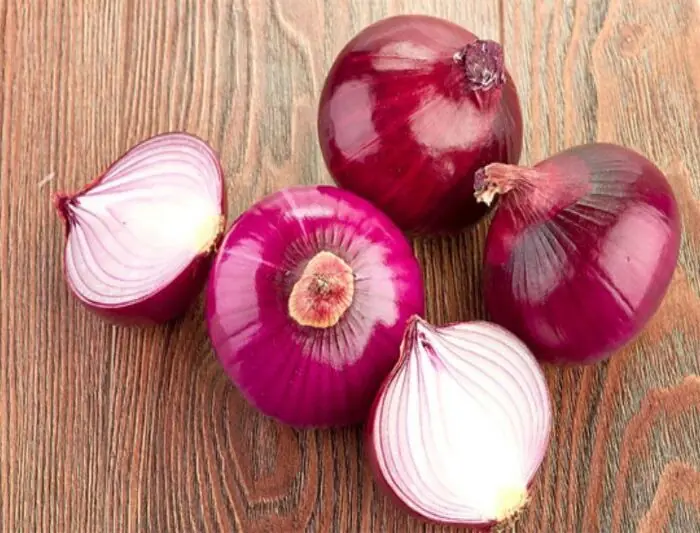
So, Which Should You Choose?
There is no need to choose only one.
Eating both raw and cooked onions can provide variety in taste, texture, and meal preparation.
The most important factor is whether onions fit comfortably into your diet and help you maintain a balanced eating pattern.
13. What Happens When You Eat Onions Every Day?
Eating onions regularly may contribute to several nutritional benefits over time.
However, the effects depend on your overall diet, health status, portion sizes, and individual tolerance.
Here are some changes that may occur when onions become a consistent part of your meals.
You May Consume More Beneficial Plant Compounds
Onions provide quercetin, other flavonoids, and sulfur-containing compounds.
Including them regularly increases your exposure to these naturally occurring plant substances.
This is one reason nutrition professionals encourage eating a wide range of vegetables rather than relying on only a few familiar options.
Your Gut Bacteria May Benefit From Prebiotic Fibers
The inulin and fructooligosaccharides in onions can be fermented by certain intestinal bacteria.
This may support the growth and activity of beneficial microorganisms.
However, individual responses vary, and people with IBS may experience symptoms from these same fibers.
You May Improve the Flavor of Healthy Meals
This benefit may seem simple, but it is important.
If adding onions makes vegetables, beans, and homemade meals more enjoyable, you may find it easier to maintain healthier eating habits.
Long-term dietary patterns are generally more important than consuming a particular food occasionally.
You May Reduce the Need for Excessive Salt in Some Recipes
Onions provide natural flavor and aroma.
Using them in cooking may help reduce dependence on large quantities of salt or highly processed seasonings.
This can be useful for people trying to manage sodium intake.