Dreams are Tools

Apparently, having dreams about a deceased loved one happens often, and the most common reason is grief. “Dreams about loved ones who have passed away can be quite common and are a normal part of the grieving process,” explains Dr. Michelle King. Rather, one study found more than half of participants had dreams about their deceased loved ones. They can be therapeutic, helping the brain to process the pain of loss and come to a place of acceptance. Interestingly, dreams about loved ones have gotten mixed reviews, with some saying they were “both positive and unsettling.”
Read More: Should You Turn Off Your Smartphone’s Wifi and Bluetooth At Night?
Dreams Help Us Understand
“Another reason for dreams of a deceased loved one is an attempt to understand. We are still trying to make sense of the loss of a loved one, which can otherwise feel pretty senseless,” she explains. “Having a grief dream only means that our brains are still trying to process what we have experienced,” according to Margaret Pendergrass, a licensed clinical social worker and certified grief counselor in Roswell, GA.
A Desire to Reconnect

“Perhaps someone has visited you in a dream because you desire to reconnect with them. In these dreams, the dreamer might interact with the deceased in a normal setting, as if they were still alive,” King says. “This could reflect the dreamer’s desire to reconnect with the person or the person’s continued presence in the dreamer’s subconscious.”
Leaving a Message

While many believe their loved ones come to them in a dream to tell them something important, King explains that’s not exactly the case. It turns out, these dreams are actually messages from your brain.
“Many folks have dreams where a loved one appears to be delivering you a message or a piece of advice. This doesn’t necessarily mean that the person is actually trying to tell you something,” King explains. “Rather, it usually says something about your own emotional state. “This could reflect the dreamer’s internal dialogue or their desire for guidance.”
Dreams May Represent Unresolved Feelings

We are often left with unspoken feelings when we unexpectedly lose people we love. As such, they are a way to help us work through these big emotions and unspoken words. “If the deceased appears distressed or the dream is unsettling, it might indicate the dreamer’s unresolved guilt, anger, or sorrow related to the person,” King says.
They’re a Reflection of Memory

Dreams may also offer insight into the cherished or traumatic moments of our past. “These dreams reflect memories from earlier life that we may still be trying to process and understand,” she explains. “After losing someone, we can be reminded of memories that we never fully made sense of before.”
Speculation Rather Than Science

Although there are several mental health professions, some things, such as the meaning of someone’s dream, are circumstantial and, in many cases, left to speculation. Dr. Kind notes that dream interpretation isn’t “exact.”
“It’s important to remember that dream interpretation is not an exact science and can vary greatly depending on cultural, personal, and situational factors,” she says. However, dream interpretation can be therapeutic and help us make sense of our emotions.
Read More: Man Documents Everything While Visiting the Highest City On Earth That Has No Laws
Dream Interpretation

The art of dream interpretation has been around for centuries. For instance, Hippocrates, 460–377 BCE believed our dreams offered insight into underlying medical conditions or concerns, providing a better understanding of one’s physical state. Meanwhile, modern psychologists like Sigmund Freud and Carl Jung believe they protect us from conflicts and teach us about our unconscious feelings or desires.
While there’s no way to know exactly what someone’s dream means, several theories make sense and experts have studied the impacts of working through the emotions that arise. The findings reflect that processing these things can have a positive effect on one’s mental health. In many cases, dreams were in direct correlation with the healing process after the death of a loved one.
Waves Rather Than Stages

Grief has many stages. However, most people think those stages come one after the other. In contrast, the stages of grief hit at random and differ from person to person. As such, feelings come and go like waves rather than in “stages.” Moreover, it’s easy to feel like you’ve accepted the death of a loved one, only to have a dream about them and realize things are still left unsaid or unprocessed.
Stages of Grief
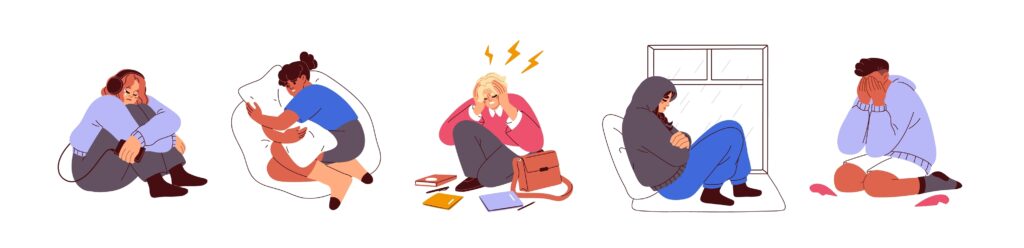
The stages of grief were first identified by Dr. Elisabeth Kübler-Ross in 1969 and are common emotional stages among people addressing the loss of a loved one. Moreover, the grief process can be experienced as the result of any major life change, including positive changes like getting a higher position or moving to a new place. Here are the stages of grief:
- Denial
- Anger
- Bargaining
- Depression
- Acceptance
Working through Grief

Because everyone’s grief journey differs, it’s difficult to put a timeline on something as precise as someone’s feelings. However, there are some helpful tools to assist in moving through and recovering from the stages. Some examples include:
- Journaling (This can be documenting your dreams or the feelings that arise from the dreams.)
- Speaking with a Grief Counselor
- Maintaining a regular sleep schedule
- Ensuring a full night’s rest
- Mindful practices like yoga, meditation, or somatic therapy.
- Eating a healthy and well-balanced diet
- Getting regular exercise
While many of these practices are recommended for almost everything in life, there’s a good reason. Several of these practices work in tandem to maintain overall health and well-being. As such, these tools are greatly supplemental when tackling stressors like exhaustion, sadness, loss, or anger. In some cases, more care, like medication or weekly therapy sessions, may required to work through everything. Either way, nurturing your emotional needs and working through unresolved feelings is important to prevent emotional breakdowns or burnout.