For generations, sweet potatoes have been a staple food in many parts of the world. Today, they remain popular among families, athletes, people trying to improve their eating habits, and anyone looking for nutritious alternatives to highly processed foods. Despite their familiar appearance, sweet potatoes contain several nutrients that support important functions throughout the body.
But what actually happens when you eat sweet potatoes regularly? Can they improve digestion, support your immune system, help maintain healthy eyesight, or make it easier to manage your weight? And are there any reasons to be careful about how often you eat them?
The answers depend on your overall diet, portion sizes, cooking methods, and individual health needs. Sweet potatoes are not a miracle food, and no single ingredient can guarantee better health. Nevertheless, eating them regularly as part of a varied, balanced diet may offer several meaningful benefits.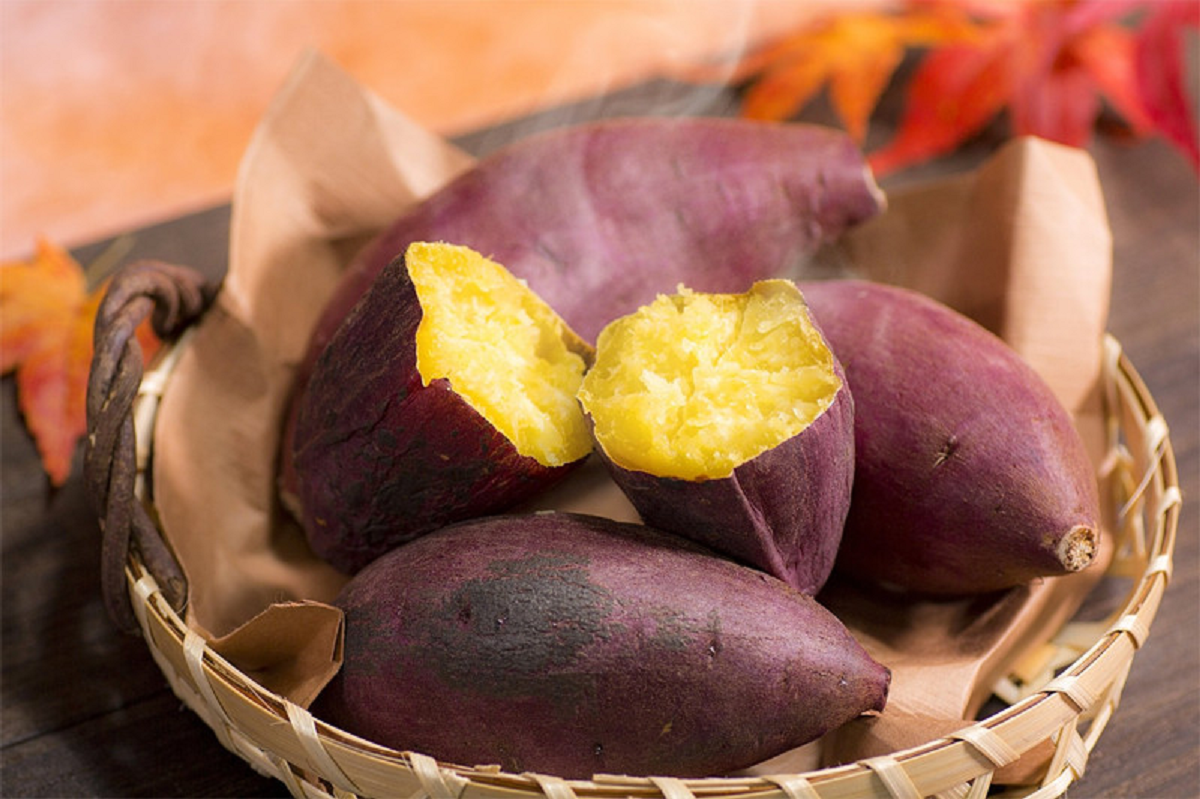
1. Your Digestive System May Become More Regular
One of the most noticeable benefits of eating sweet potatoes regularly may be their contribution to digestive health. Sweet potatoes provide dietary fiber, an important component of a healthy eating pattern that many people do not consume in sufficient amounts.
Dietary fiber helps support normal bowel movements by adding bulk to stool and helping regulate the movement of material through the digestive tract. Depending on the type of fiber, it can also help retain water in the stool, making bowel movements easier to pass.
When constipation is related to inadequate fiber intake, gradually adding fiber-rich foods such as sweet potatoes may help improve regularity. However, fiber works best when accompanied by sufficient fluid intake and an overall diet containing a variety of plant foods.
Sweet potatoes contain both soluble and insoluble fiber. These types of fiber behave differently in the digestive system, but both can contribute to digestive health. Some fiber can also be fermented by beneficial bacteria in the large intestine, producing substances that help support the intestinal environment.
The skin can contribute additional fiber, so eating the skin when it is clean and suitable to eat may increase the nutritional value of the meal.
There is an important detail to remember: increasing fiber too quickly can cause bloating, gas, or abdominal discomfort in some people. If your usual diet contains very little fiber, start with moderate portions and increase them gradually.
People with certain digestive conditions may also tolerate different foods differently. For example, some individuals with irritable bowel syndrome find that particular portion sizes or preparation methods trigger symptoms. If sweet potatoes repeatedly cause discomfort, adjusting the serving size or discussing the problem with a healthcare professional may be helpful.
The takeaway: Sweet potatoes can help you obtain more fiber, which supports normal digestion and bowel regularity. Their benefits are greatest when they are part of a diet that also includes vegetables, fruit, legumes, whole grains, and adequate fluids.
2. Your Eyes May Benefit From the Beta-Carotene They Contain
The bright orange color of many sweet potatoes comes largely from beta-carotene, a plant pigment that the body can convert into vitamin A.
Vitamin A plays an essential role in maintaining normal vision. It helps the eyes function in low-light conditions and supports the health of the cornea and other tissues. Adequate vitamin A is also important for maintaining healthy epithelial surfaces, including those found in the eyes and respiratory tract.
A medium orange-fleshed sweet potato can provide a substantial amount of beta-carotene, although the exact quantity varies according to the variety, size, growing conditions, and preparation method.
Once consumed, beta-carotene can be converted into vitamin A as needed. The conversion process varies among individuals, and the amount absorbed depends partly on the food matrix and what else is eaten with the sweet potato.
One practical tip is to eat sweet potatoes with a small amount of dietary fat. For example, you might serve them with olive oil, avocado, eggs, fish, or another food containing fat. Because beta-carotene is fat-soluble, this can help the body absorb it.
Orange sweet potatoes are particularly rich in beta-carotene, but not every sweet potato has the same nutritional profile. Purple varieties, for example, are known for their anthocyanins, while white-fleshed varieties generally contain less beta-carotene than orange-fleshed ones.
Eating sweet potatoes does not guarantee perfect vision, and it cannot reverse every eye condition. However, obtaining sufficient vitamin A through food is an important part of maintaining normal eye health.
People who already eat a varied diet with sufficient vitamin A may not notice a dramatic difference from adding more sweet potatoes. The greatest nutritional advantage may occur when they help fill a gap in an otherwise limited diet.
The takeaway: Orange sweet potatoes can contribute beta-carotene, which the body uses to produce vitamin A. This nutrient supports normal vision and the health of several tissues throughout the body.
3. Your Immune System Gets Support From Several Nutrients
The immune system is a complex network involving cells, tissues, organs, and chemical signals. It relies on adequate nutrition to function properly, and sweet potatoes provide several nutrients that contribute to this process.
Vitamin A is particularly important for maintaining the protective barriers that line the respiratory tract, digestive tract, and other surfaces exposed to the outside environment. These barriers help prevent unwanted microorganisms from entering the body.
Sweet potatoes also provide vitamin C, although the amount varies with the variety and cooking method. Vitamin C contributes to normal immune function and helps protect cells from oxidative damage. It is also necessary for collagen formation, which supports the structure of skin, blood vessels, and connective tissues.
In addition, sweet potatoes supply carbohydrates that provide energy. Although carbohydrates are not immune-boosting agents in the same way as particular vitamins, adequate energy intake helps the body carry out its many physiological functions.
The antioxidants and other plant compounds in sweet potatoes may also contribute to a healthy dietary pattern. Orange varieties provide carotenoids, while purple varieties contain anthocyanins. These compounds are studied for their biological activity, but their presence should not be interpreted as proof that eating sweet potatoes prevents infections or treats disease.
It is also important to recognize that immunity depends on much more than one food. Adequate protein, essential fats, a broad range of vitamins and minerals, sufficient sleep, physical activity, vaccination where appropriate, and management of chronic health conditions all play important roles.
Someone who eats sweet potatoes but consistently lacks protein or other essential nutrients may still have nutritional gaps. Variety matters.
The takeaway: Sweet potatoes contribute nutrients that support normal immune function, particularly vitamin A precursors and some vitamin C. They are best viewed as one useful part of an overall nutritious eating pattern, not as protection against every illness.
4. They May Help You Feel Satisfied After a Meal
If you often feel hungry shortly after eating, sweet potatoes may be a useful food to include in your meals.
They contain water, fiber, and carbohydrates, a combination that can contribute to fullness. Fiber may slow digestion in certain circumstances, while the volume of the food can help make a meal feel more substantial.
Feeling satisfied after a meal can make it easier to follow a consistent eating pattern without constantly searching for snacks. This may be helpful for people who are trying to manage their weight, although individual responses differ.
For example, consider two possible lunches. One consists mainly of a small pastry and a sweetened drink. The other includes a moderate portion of boiled sweet potato, eggs or beans, vegetables, and water. The second meal may provide more fiber, protein, and overall nutritional variety, helping some people feel satisfied for longer.
The benefit does not come from sweet potatoes having special fat-burning properties. They do not directly melt body fat or automatically cause weight loss. Instead, they can replace less nutritious foods and help create meals that are satisfying and balanced.
Preparation matters as well. A plain baked or boiled sweet potato has a different calorie profile from one covered in butter, sugar, syrup, or large amounts of oil. These additions are not automatically unhealthy, but they increase the energy content of the meal.