People sometimes promote sweet potatoes as a food that can eliminate wrinkles, clear acne, or dramatically transform the complexion. Such claims go beyond what can reasonably be concluded from their nutritional composition.
Skin health is influenced by many variables. A person with persistent acne, a changing mole, a nonhealing wound, or another concerning skin problem should seek appropriate medical advice rather than relying on dietary changes alone.
The most realistic benefit is nutritional support: sweet potatoes can help supply vitamins involved in normal tissue maintenance, especially when they replace foods that provide fewer essential nutrients.
The takeaway: Sweet potatoes contribute beta-carotene and vitamin C, nutrients involved in normal skin and connective-tissue function. They support healthy nutrition but cannot guarantee specific cosmetic results.
10. They Can Help You Build a More Nutrient-Dense Diet
A nutrient-dense food provides useful vitamins, minerals, fiber, or other beneficial components relative to its energy content. Sweet potatoes can fit this description, particularly when prepared without excessive added sugar or fat.
Replacing a less nutritious side dish with sweet potato may improve the nutritional profile of a meal. For example, substituting boiled sweet potato for a highly processed snack can provide more fiber and a wider range of micronutrients.
The benefit depends on what is being replaced. Adding sweet potatoes on top of an already adequate diet may increase total energy intake without necessarily improving nutritional balance. Replacing a refined, low-fiber food with a moderate portion of sweet potato may offer a more meaningful improvement.
Sweet potatoes are also versatile. They can be served with vegetables and protein, added to soups, mashed into a side dish, or used in recipes that make use of leftover ingredients.
Their natural sweetness may make them appealing to people who are trying to reduce their reliance on heavily sweetened foods. Still, the distinction depends on preparation. Sweet potato pie, candied sweet potatoes, and desserts made with substantial amounts of sugar can have a very different nutritional profile from plain boiled sweet potatoes.
Cost and accessibility are additional considerations. In many regions, sweet potatoes are relatively inexpensive and available throughout much of the year. This makes them a practical option for families seeking nutritious foods without relying on expensive specialty products.
No single food can provide every nutrient the body needs. Sweet potatoes contain relatively little protein compared with foods such as eggs, fish, meat, tofu, and legumes, and they do not supply the same range of nutrients as a varied diet.
The takeaway: Sweet potatoes can improve the nutritional quality of meals, especially when they replace less nutritious foods. Their greatest value comes from combining them with other food groups rather than treating them as a complete diet.
11. Purple Sweet Potatoes Offer a Different Set of Plant Compounds
Although orange sweet potatoes receive considerable attention because of their beta-carotene content, purple sweet potatoes deserve recognition too.
Their distinctive color comes largely from anthocyanins, a group of plant pigments also found in foods such as blueberries, blackberries, red cabbage, and purple carrots.
Anthocyanins have been studied for their antioxidant activity and possible effects on several aspects of health. Some experimental and early human research suggests that anthocyanin-rich foods may influence markers associated with inflammation and metabolic health. However, findings depend on the specific food, amount consumed, and study design.
It is not appropriate to assume that purple sweet potatoes have proven therapeutic effects or that their pigments prevent particular diseases. More research is needed to establish the extent of any specific health benefits.
The practical advantage is variety. Eating different colored vegetables can expose the body to a wider range of plant compounds. Purple sweet potatoes can therefore complement orange and white varieties.
The texture and sweetness of purple varieties also differ. Some are drier and denser than orange sweet potatoes, while others have a softer texture after cooking. These differences can influence which recipes work best.
For a balanced meal, purple sweet potatoes can be served with leafy vegetables, beans, tofu, fish, or another protein source. They can also be roasted or steamed as a side dish.
The takeaway: Purple sweet potatoes provide anthocyanins, while orange varieties are especially notable for beta-carotene. Both can be useful parts of a varied diet, and neither needs to be considered universally superior.
12. The Way You Cook Sweet Potatoes Can Change Their Nutritional Value
How you prepare sweet potatoes can influence their nutritional profile, texture, digestibility, and calorie content.
Boiling is a straightforward option. It generally requires little or no added fat, and the resulting sweet potato remains moist and relatively soft. Some water-soluble nutrients can move into the cooking water, so the extent of nutrient retention depends on the nutrient and cooking conditions.
Steaming is another useful method. Because the sweet potatoes do not sit directly in water, steaming may help retain certain nutrients while softening the flesh.
Baking and roasting produce a sweeter, often firmer texture because heat changes the structure of the food and concentrates its natural sugars as water evaporates. These methods can be nutritious too, especially when only moderate amounts of oil are used.
Deep-frying, on the other hand, can significantly increase the energy content because the food absorbs oil. Fried sweet potato fries are not automatically forbidden, but they are nutritionally different from boiled or steamed sweet potatoes.
Added ingredients also matter. Butter, cream, sugar, syrup, and large amounts of oil can increase calories, saturated fat, or added sugar. Spices, herbs, garlic, pepper, and modest amounts of olive oil can add flavor without necessarily changing the meal as dramatically.
There is no single cooking method that is best for every person or every recipe. The most useful choice is one that allows you to enjoy sweet potatoes regularly while keeping your overall meals balanced.
Food safety matters as well. Wash sweet potatoes before cutting or cooking them, remove damaged or spoiled sections, and store cooked leftovers safely in the refrigerator.
The takeaway: Boiling, steaming, baking, and roasting can all be good preparation methods. The overall nutritional result depends partly on portion size and the ingredients added during cooking.
13. Can Eating Sweet Potatoes Help With Weight Loss?
Sweet potatoes can be part of a weight-loss diet, but they do not cause weight loss automatically.
Weight management is influenced by the relationship between energy intake and energy expenditure over time, along with factors such as appetite, sleep, medications, hormones, activity, and individual health conditions.
Sweet potatoes may help some people manage hunger because they provide fiber, water, and a substantial amount of food for their calorie content. They can also serve as an alternative to certain refined or highly processed carbohydrate foods.
For example, a meal containing sweet potato, grilled fish, and vegetables can provide a combination of carbohydrates, protein, fiber, and micronutrients. This may be more satisfying than a meal based mainly on refined starch and a sweetened beverage.
However, eating large portions of sweet potatoes alongside the same amount of food you already consume may increase total energy intake. Adding butter, cream, or sugary toppings can also change the calorie content considerably.
A sustainable approach to weight management does not require eliminating carbohydrates. Instead, it usually involves choosing satisfying foods, paying attention to portions, maintaining adequate protein intake, eating a variety of vegetables and fruit, and finding a level of physical activity that can be maintained over time.
People with a history of disordered eating or restrictive dieting may benefit from professional guidance rather than focusing narrowly on calories or individual foods.
The takeaway: Sweet potatoes can support a weight-management plan when they help create balanced, satisfying meals. They are not a fat-burning food, and their effect depends on the overall eating pattern.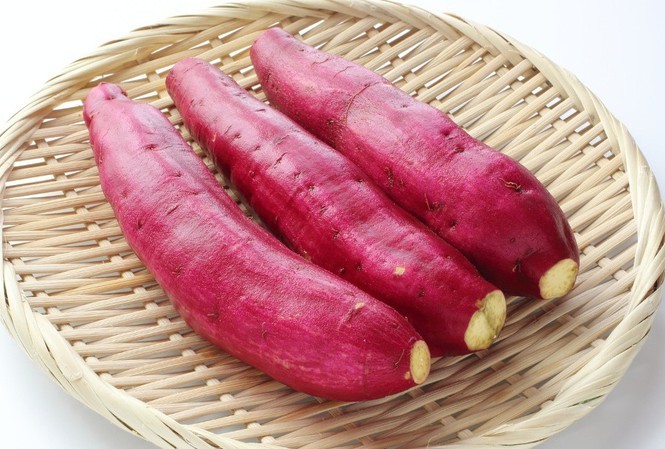
14. What About Heart Health?
Sweet potatoes contain potassium, fiber, and plant compounds that can contribute to a heart-healthy dietary pattern.
Potassium helps support normal blood pressure regulation, while dietary fiber is associated with several aspects of cardiovascular health. The relationship between fiber and heart health depends on the type of fiber and the broader dietary pattern, but higher-fiber diets are generally encouraged for most adults.
Sweet potatoes contain very little saturated fat in their plain form. When they replace foods high in saturated fat or heavily processed ingredients, they can help improve the overall composition of a meal.
However, heart health cannot be reduced to one nutrient. Blood pressure, cholesterol levels, smoking, physical activity, diabetes, family history, sleep, and other factors all influence cardiovascular risk.