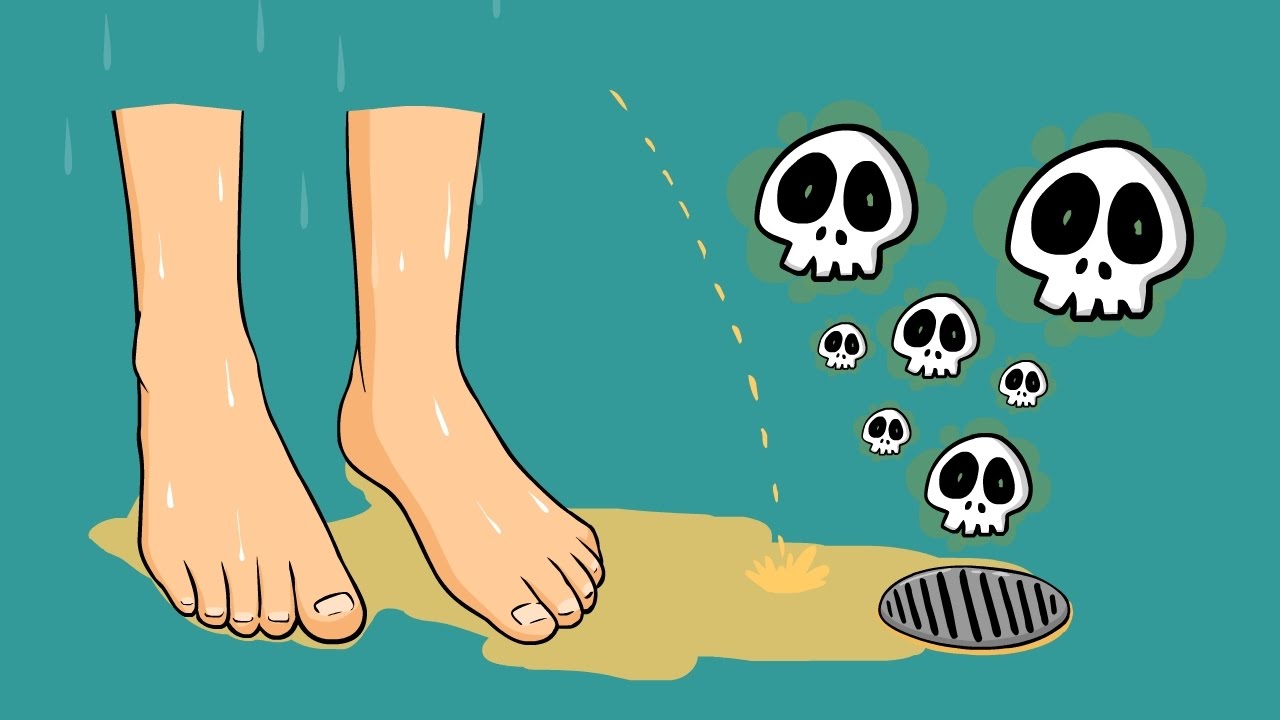
It’s a question many people have wondered about but rarely discuss openly: Is it okay to pee in the shower? While it might seem harmless - or even practical - there are a few important factors to consider, including hygiene, plumbing, and even long-term habits your body may develop.
Let’s break down what actually happens when you pee in the shower and whether it’s something to avoid or not worry too much about.
1. From a Hygiene Perspective: Is It Dirty?
Urine is often thought of as “dirty,” but in reality, it is mostly made up of water (about 95%), along with urea, salts, and other waste products. In healthy individuals, urine is typically sterile when it leaves the body.
So what happens in the shower?
- The running water immediately dilutes and washes it away
- Soap and shampoo further reduce any residue
- The drain carries it into the same wastewater system as toilet waste
Bottom line:
From a strictly hygiene standpoint, peeing in the shower is not significantly more unsanitary than using the toilet—especially if the shower is rinsed afterward.
2. Plumbing and Drainage: Any Risks?
In most modern homes, shower drains and toilets are connected to the same sewage system. This means that, technically, urine goes to the same place regardless of where it’s released.
However, there are a few considerations:
- Urine can contribute to mineral buildup over time if not flushed properly
- In poorly maintained drains, residue could combine with soap scum and bacteria
That said, with regular water flow and cleaning, this is generally not a major concern.
3. Behavioral Conditioning: Training Your Brain
One of the less obvious effects has to do with habit formation.
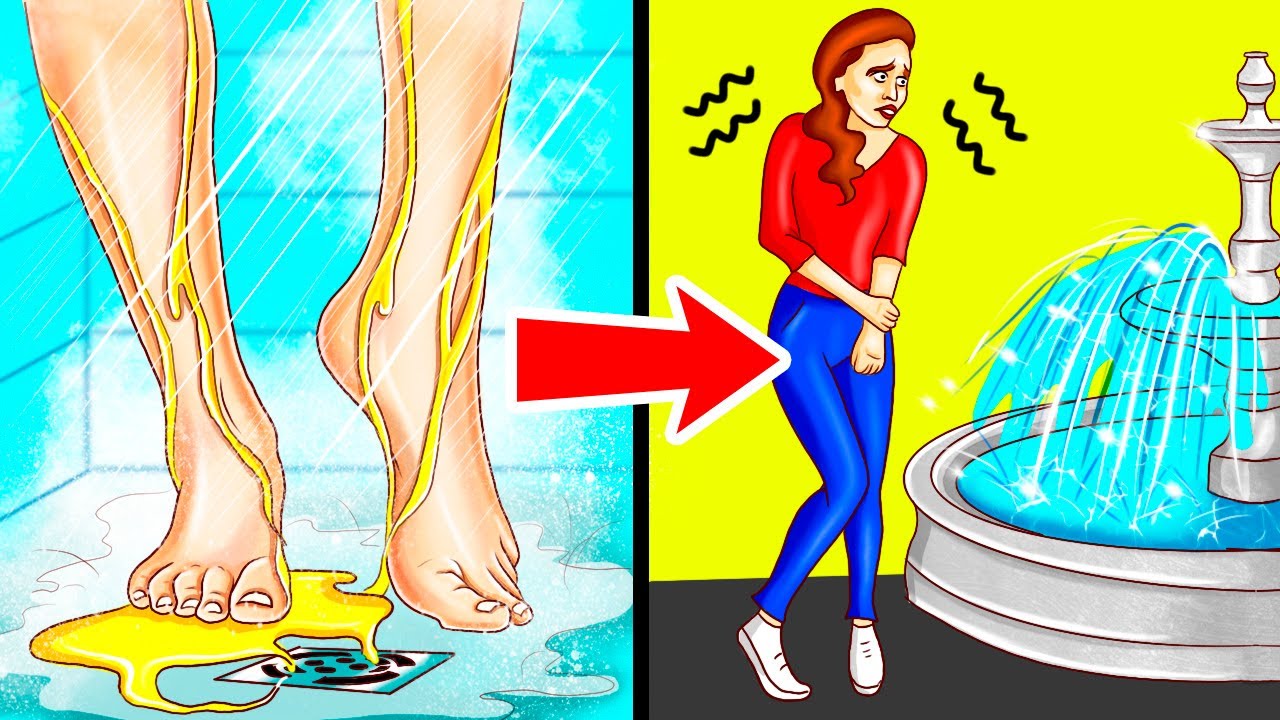
Your brain is highly responsive to patterns. If you frequently pee in the shower, your body may begin to associate the sound or feeling of running water with the urge to urinate.
This could lead to:
- Increased urge to pee when hearing running water (even outside the shower)
- Difficulty holding urine in certain situations
This effect is similar to classical conditioning - your body learns to respond automatically to specific cues.
4. Muscle Control and Pelvic Health
For some individuals—especially women—regularly peeing in a standing position in the shower may affect how the pelvic floor muscles function.
Why this matters:
- Proper urination usually occurs when the body is relaxed in a seated position
- Changing this pattern frequently may interfere with complete bladder emptying
Over time, this could contribute to mild bladder control issues, although this risk is not universal.
5. Environmental Perspective: Saving Water?
Some people argue that peeing in the shower can help conserve water by reducing toilet flushes.
In theory:
- One toilet flush uses several liters of water
- Combining activities could reduce overall water usage
However, the environmental impact is relatively small unless it’s part of broader water-saving habits.
6. When It Might Be a Problem
While occasional urination in the shower is generally not harmful, there are situations where it’s best avoided:
- If you have a urinary tract infection (UTI)
- If the shower is shared and hygiene is a concern
- If there are open wounds or skin conditions that could be irritated
In these cases, using the toilet is the safer option.
The Bottom Line
Peeing in the shower is more common than people admit, and in most cases, it’s not as unhygienic or dangerous as it might seem. The running water quickly washes it away, and modern plumbing systems are designed to handle it.
However, potential downsides—like habit formation and possible effects on bladder control—are worth considering, especially if it becomes a regular behavior.
In short, it’s not a major health risk, but like many habits, moderation and awareness matter. Understanding how your body responds can help you decide what’s best for your routine.