Traditional use
Cloves have been used in traditional preparations for digestive complaints, oral discomfort, and other purposes.
Traditional use can provide clues for researchers investigating a plant's chemical properties. It can also explain why a remedy remains popular across generations.
However, a remedy's long history does not by itself establish its effectiveness or safety for every use.
People may feel better because of hydration, warmth, changes in their routine, or the natural course of a mild condition. Without appropriate studies, it can be difficult to determine which factor produced the improvement.
Laboratory and animal research
Studies have investigated clove compounds for antioxidant, antimicrobial, anti-inflammatory, and metabolic effects.
Such research can help scientists understand how a compound behaves and identify questions worth testing in humans.
However, laboratory experiments often use concentrations or conditions that do not match ordinary dietary exposure.
Animal studies also cannot establish that the same effect will occur in people.
For clove water specifically, the concentration of active compounds varies with the preparation, and high-quality clinical evidence supporting many popular health claims remains limited.
Human clinical evidence
The most relevant evidence for a health claim generally comes from well-designed studies in people.
Researchers need to understand not only whether a treatment has an effect, but also how large that effect is, whether it is clinically meaningful, what dose was used, how long it was taken, and what side effects occurred.
For many claims about clove water, these questions have not been adequately answered.
That means it would be premature to recommend the drink as a treatment for diabetes, infection, digestive disease, or other medical conditions.
It also means that more research may be needed before scientists can determine whether particular preparations have useful effects beyond their culinary role.
Why natural does not always mean safe
The word "natural" can create a sense of reassurance.
Yet plants contain chemicals, and some of those chemicals can have powerful biological effects. Whether an exposure is helpful or harmful depends on the substance, amount, route of administration, and individual circumstances.
For example, whole cloves used in food are not equivalent to concentrated clove oil.
Likewise, an ingredient that is tolerated in small culinary amounts may cause problems when consumed in large quantities or used alongside certain medications.
This principle applies to many herbal products, not just cloves.
A sensible approach is to consider both potential benefits and possible risks rather than assuming that every natural preparation is harmless.
A practical checklist before you start
Before adding clove water to your routine, consider the following questions:
Do you enjoy the taste? If the drink is unpleasant, there is no health requirement to force yourself to consume it.
Are you using it as a beverage or as treatment? Using a mild infusion for flavor is different from relying on it to manage diabetes, an infection, or another medical condition.
Do you take medication? If you use blood thinners, diabetes medication, or other regular prescriptions, ask a healthcare professional about repeated medicinal use of clove products.
Are you using whole cloves or essential oil? These preparations are not interchangeable. Do not swallow clove essential oil as a home remedy.
Have you noticed side effects? Stop drinking it if you experience symptoms that appear related to the preparation, and seek medical advice if they persist or are severe.
Are you expecting a dramatic result? Be cautious of claims that promise rapid weight loss, guaranteed blood sugar control, a complete detox, or protection from serious disease.
When to seek professional advice
If you have a chronic condition and want to use clove water regularly for a health purpose, discuss it with your healthcare professional.
This is especially important if you are pregnant, breastfeeding, have liver disease or a bleeding disorder, or take medicines that affect blood clotting or blood sugar.
Seek medical evaluation for persistent symptoms rather than using clove water as a substitute for diagnosis.
For example, unexplained weight loss, ongoing abdominal pain, repeated vomiting, signs of jaundice, persistent changes in bowel habits, or unusually high or low blood glucose should not be managed solely with herbal drinks.
The appropriate response depends on the symptoms and their severity.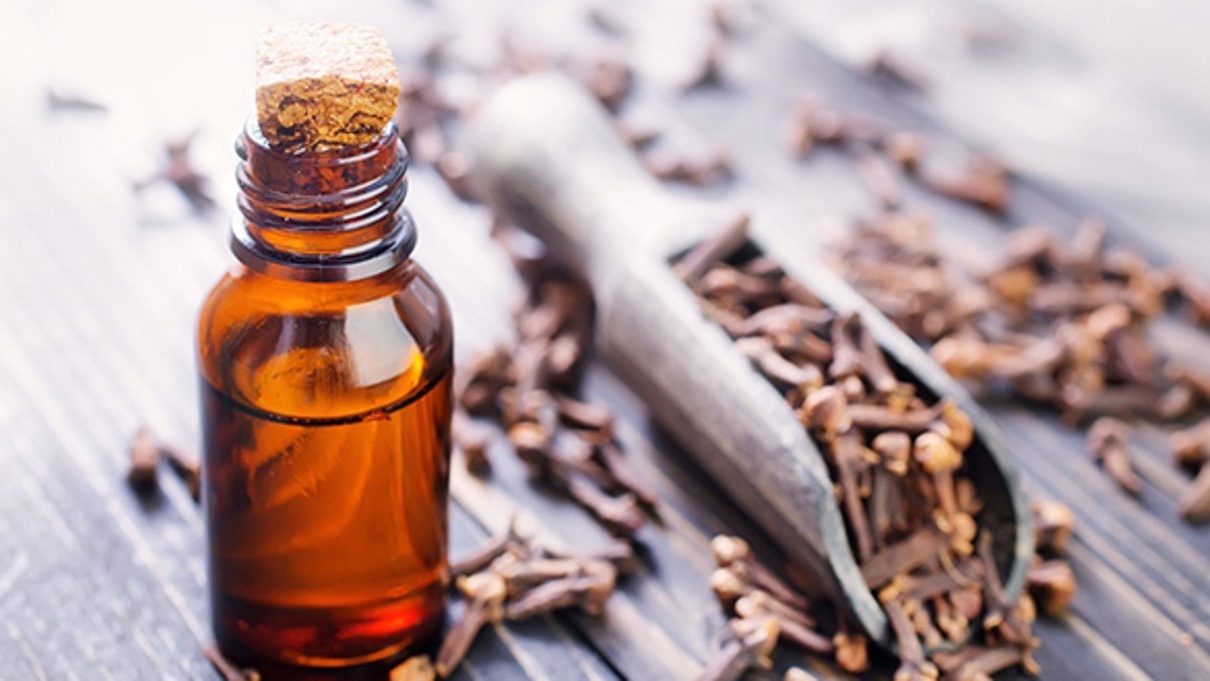
Final thoughts: Is clove water worth trying?
Clove water can be a flavorful, unsweetened beverage for people who enjoy the taste of cloves. It contributes to hydration and may be a useful alternative to drinks containing added sugar.
Cloves also contain eugenol and other plant compounds that researchers continue to investigate.
However, many claims about clove water go beyond what current evidence can establish. There is not enough high-quality clinical evidence to conclude that drinking it routinely prevents disease, detoxifies the body, produces substantial weight loss, or reliably controls blood sugar.
The distinction between whole cloves and concentrated clove oil is especially important. Excessive ingestion of clove oil can cause serious poisoning, and people taking certain medications or managing chronic conditions should be cautious about medicinal use.
If you choose to drink clove water, keep the preparation mild, treat it as a beverage rather than a cure, and stop if it causes unwanted symptoms.
Most importantly, do not let a popular home remedy replace medical care, prescribed treatment, a balanced diet, or other well-established health practices.
Sometimes the healthiest choice is not finding a powerful new drink. It is understanding what a simple ingredient can and cannot do.