Fiber interacts with the digestive process in different ways. Some types of fiber are fermented by bacteria in the large intestine, producing gases as a byproduct.
Although spinach is not among the most notorious gas-producing vegetables, consuming very large portions—especially alongside other high-fiber foods—may contribute to discomfort in susceptible individuals.
For example, a person who suddenly switches from a low-fiber diet to a large daily smoothie containing spinach, kale, fruit, seeds, and other ingredients may experience bloating.
The problem may not be spinach alone.
It could be the total fiber load, the combination of ingredients, the amount consumed, or the speed at which the dietary change occurred.
2. Changes in Bowel Movements
Fiber can influence bowel movements, but the effect is not identical for everyone.
Some people find that eating more vegetables helps them become more regular. Others may experience loose stools, urgency, or discomfort when their fiber intake increases abruptly.
If someone consumes large amounts of spinach while also drinking substantial quantities of fruit juice or smoothies, the combination may affect bowel habits.
People with sensitive digestive systems may notice symptoms more easily.
Those with conditions such as irritable bowel syndrome may experience discomfort from particular foods or dietary patterns, even when the foods are generally considered healthy.
If spinach consistently causes symptoms, the amount consumed, the preparation method, and the rest of the meal may need to be reconsidered.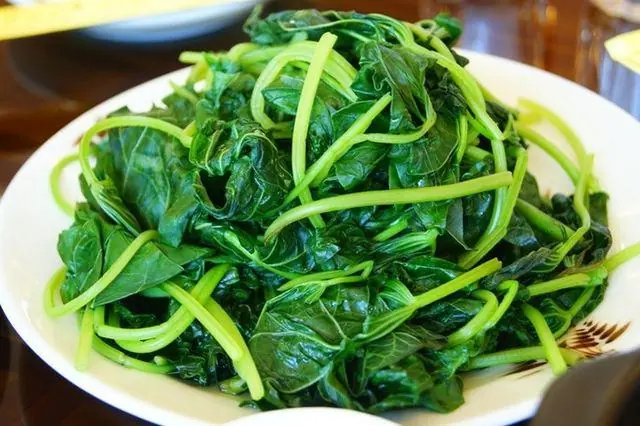
3. Raw Spinach Versus Cooked Spinach
Raw spinach is commonly used in salads and smoothies.
However, cooking spinach changes its texture and reduces its volume dramatically.
A large bowl of raw spinach can shrink to a much smaller portion after cooking because water is released and the leaves collapse.
This means people may consume a surprisingly large amount of spinach when eating it cooked.
For example, several cups of raw leaves may become a relatively small serving after sautéing.
This is not necessarily harmful, but it can make it easier to consume more spinach than someone realizes.
Raw spinach may also be more difficult for some people to tolerate, particularly when eaten in large quantities.
Cooking softens the leaves and may make them easier to chew and digest for certain individuals.
4. The Importance of Gradual Dietary Changes
If you are trying to increase your vegetable intake, doing so gradually may help your digestive system adapt.
Instead of suddenly eating enormous quantities of spinach every day, begin with moderate portions and observe how your body responds.
Pair spinach with other vegetables rather than making it the dominant food in every meal.
A varied diet provides different nutrients and fibers while reducing the likelihood that one food becomes an excessive part of the daily routine.
People who experience persistent abdominal pain, severe diarrhea, vomiting, blood in the stool, or unexplained weight loss should not assume that spinach is responsible. These symptoms may require medical evaluation.
5. When Digestive Symptoms Should Not Be Ignored
Occasional bloating after a large meal is common.
However, recurring symptoms that interfere with daily life deserve attention.
If you repeatedly experience abdominal discomfort after eating spinach, consider noting the portion size, preparation method, and other foods consumed at the same time.
A food diary can help identify patterns.
It is also important to avoid unnecessarily eliminating large numbers of foods without professional guidance. Restrictive diets can make it harder to maintain adequate nutrition.
The goal is not to stop eating spinach because it causes occasional discomfort.
The goal is to understand your tolerance and choose an amount that works for your body.
While digestive symptoms are often relatively mild, another potential concern involves spinach's high vitamin K content.
For people taking certain medications, that nutrient can make consistency in dietary intake particularly important.
CHAPTER 4: VITAMIN K, BLOOD-THINNING MEDICATIONS, POTASSIUM, AND OTHER HEALTH CONCERNS
Spinach contains substantial amounts of vitamin K, a nutrient that plays a critical role in the body's blood-clotting process.
Vitamin K is needed for the production and activation of several proteins involved in coagulation.
It also contributes to bone metabolism.
For most people, vitamin K is simply another essential nutrient that supports normal bodily functions.
However, it can become particularly important for individuals taking certain anticoagulant medications.
1. Spinach and Warfarin
Warfarin is an anticoagulant medication used to reduce the risk of blood clots in certain patients.
It works by interfering with the body's use of vitamin K during the production of clotting factors.
Because spinach contains vitamin K, a sudden and substantial increase in spinach consumption can affect how warfarin works.
This does not mean people taking warfarin must avoid spinach completely.
In fact, many healthcare professionals emphasize the importance of maintaining a relatively consistent vitamin K intake rather than eliminating vitamin K-rich foods entirely.
The concern is often a dramatic change in dietary habits.