Walking may look like one of the simplest forms of exercise, but doing it regularly can have meaningful effects on your heart, muscles, metabolism, mood, sleep, and overall physical function. You don't need to run, lift heavy weights, or spend hours in a gym to make movement part of a healthier lifestyle. For many people, a consistent walking routine is one of the easiest places to start.
Walking is something most people already do.
You walk to the kitchen.
You walk to the car.
You walk around the house.
But there is an important difference between simply moving occasionally and making regular walking part of your daily routine.
When walking becomes consistent, your body receives repeated opportunities to use muscles, challenge the cardiovascular system, improve balance, and regulate energy metabolism.
The benefits don't necessarily appear overnight.
Instead, they can build gradually as the habit becomes part of your lifestyle.
Here are some of the changes that may happen when you walk regularly.
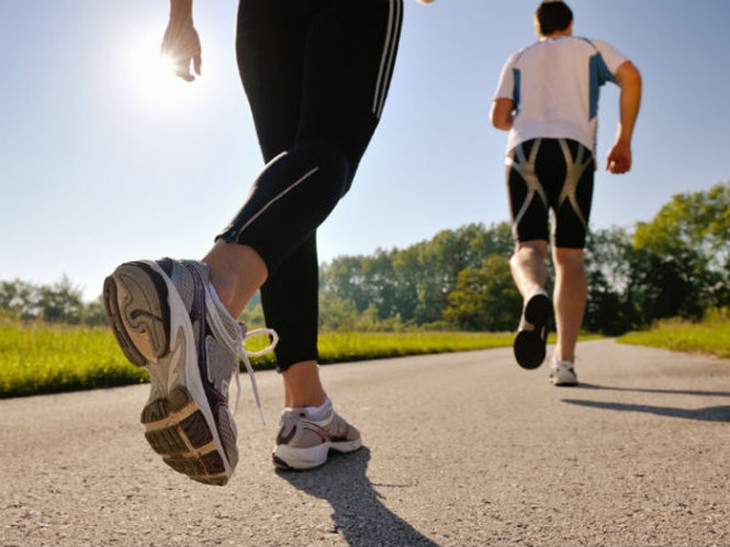
1. Your Heart and Circulation Get More Regular Exercise
Walking is a form of aerobic physical activity.
When you walk at a purposeful pace, your heart beats faster to deliver more oxygen and nutrients to working muscles.
Over time, regular aerobic activity can support cardiovascular fitness and contribute to healthier blood pressure and cholesterol patterns.
Your circulation also has to work more actively during movement.
The muscles in your legs repeatedly contract and relax, helping move blood through the lower body.
This is particularly relevant if you spend much of the day sitting.
A daily walk can provide a simple break from prolonged inactivity while giving your cardiovascular system a chance to work.
You don't necessarily need to walk extremely fast
A comfortable pace can still be useful.
As your fitness improves, you can gradually increase your speed, distance, or duration if it feels appropriate.
The most important factor for many people is consistency.
2. Your Muscles Get More Work Than You May Realize
Walking primarily uses the muscles of your legs and hips, including the calves, quadriceps, hamstrings, and glutes.
Your core muscles also contribute to posture and stability.
With regular walking, these muscles repeatedly perform low-impact work.
This can help support everyday activities such as:
-
Climbing stairs
-
Standing from a chair
-
Carrying groceries
-
Walking longer distances
-
Moving around the house
For older adults, maintaining lower-body strength and mobility can be particularly important for preserving independence.
Walking alone may not provide enough resistance to build substantial muscle mass, but it can be a valuable component of an overall physical-activity program.
3. Your Balance and Coordination May Improve
Walking requires your brain, muscles, joints, vision, and balance systems to work together.
Every step involves adjusting your body position and maintaining stability.
Regular movement can help maintain coordination and confidence while walking.
For older adults, this matters because reduced physical activity can contribute to deconditioning.
However, walking is not the same as specific balance training.
People who have a high risk of falls may benefit from exercises specifically designed to improve balance, strength, and coordination in addition to walking.
4. Walking Uses Energy and Supports Weight Management
Walking requires your body to use energy.
How much energy you use depends on several factors, including:
-
Your body size
-
Walking speed
-
Distance
-
Terrain
-
Duration
-
Fitness level
A short, gentle walk will use less energy than a long, brisk walk.
That doesn't make the shorter walk meaningless.
Small amounts of regular movement can add up over time, particularly when walking replaces more sedentary activities.
Walking can therefore be a useful component of a weight-management strategy, especially when combined with appropriate nutrition and other forms of exercise.
But walking should not be viewed as a guaranteed weight-loss method by itself.
Body weight is influenced by overall calorie intake, metabolism, sleep, hormones, medications, genetics, and many other factors.
5. Your Body May Handle Blood Sugar More Effectively
Muscles use glucose for energy.
When you walk, your muscles increase their demand for fuel, which can influence how your body handles blood glucose.
Regular physical activity is an important part of diabetes prevention and management for many people.
Even short periods of movement can be useful compared with remaining seated continuously.
A walk after a meal can be particularly practical because it adds gentle activity during a period when blood glucose may be rising.
People with diabetes, especially those taking medications that can cause low blood sugar, should follow individualized advice from their healthcare team.
6. Your Joints May Benefit From Gentle Movement
People sometimes assume that walking is hard on the joints.
For many individuals, however, moderate walking is a relatively low-impact form of exercise.
Regular movement can help maintain joint mobility and prevent the stiffness that often comes with prolonged inactivity.
This can be especially useful for people who spend many hours sitting.
That said, not every joint responds the same way.
If you have significant arthritis, an injury, severe pain, or another musculoskeletal condition, you may need to adjust the distance, pace, footwear, and terrain.
Pain that consistently worsens with walking should not simply be ignored.
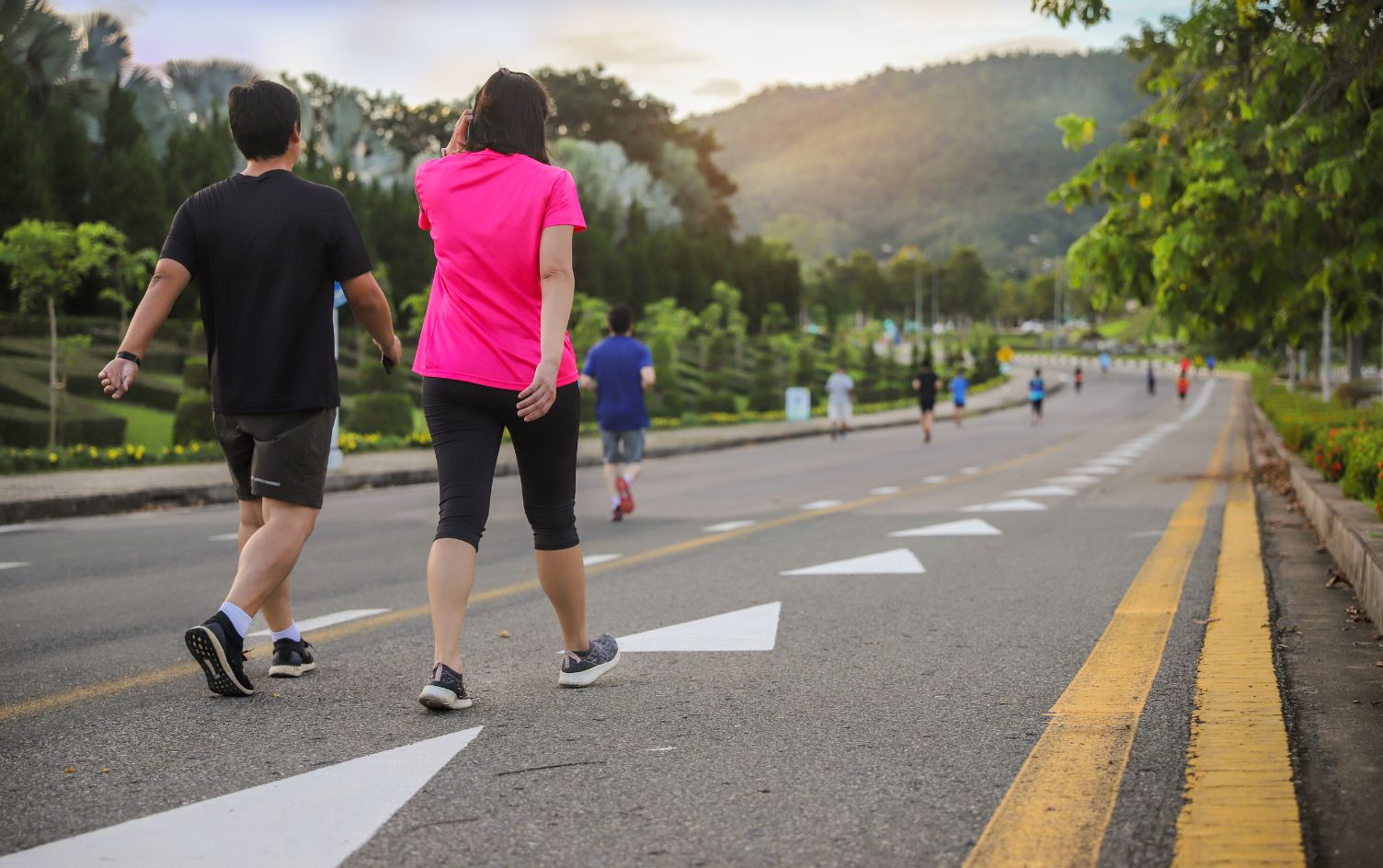
7. Walking Can Support Your Mental Health
The effects of physical activity aren't limited to the body.
Many people feel better mentally after taking a walk.
Walking can provide a break from work, screens, household responsibilities, and repetitive routines.
A walk outdoors can also expose you to daylight and a change of environment, which may improve mood and help reduce feelings of mental fatigue.
Regular physical activity is associated with better psychological well-being and can be part of a broader strategy for managing stress and mild mood symptoms.
But walking is not a substitute for professional treatment when someone is experiencing significant depression, anxiety, or another mental-health condition.
8. Your Sleep May Improve
Regular physical activity can support healthier sleep patterns.
For some people, walking during the day helps them feel more naturally tired at night and improves overall sleep quality.
Morning or daytime outdoor walking may also provide exposure to natural light, which can support the body's normal sleep-wake rhythm.
However, people respond differently.
If exercising late in the evening seems to make you more alert, moving the walk earlier may work better.
And if persistent insomnia continues despite healthy habits, there may be another cause worth discussing with a healthcare professional.
9. Walking Can Help Break Up Long Periods of Sitting
This may be one of the most practical benefits.
Modern routines often involve long periods of sitting:
At a desk.
In a car.
On the couch.
In front of a computer.
Watching television.
Even someone who exercises for 30 minutes can still spend much of the remaining day sitting.
Breaking up sedentary time with short walks or standing periods can help make your overall day more active.
You don't have to complete every bit of movement in one session.
A few minutes here and there can still change your activity pattern.
10. Your Endurance May Gradually Improve
At first, a 20-minute walk may leave you somewhat tired.
After several weeks of consistent activity, the same walk may feel easier.
You may notice that:
-
You recover more quickly
-
Hills feel less difficult
-
You can walk farther
-
Your pace naturally increases
-
Everyday activities require less effort
This is a basic sign of improved physical conditioning.
Progress does not have to mean walking extremely fast.
Sometimes progress is simply realizing that something that once felt difficult now feels normal.
11. Your Legs May Feel Better During the Day
Regular movement can help prevent the stiffness that comes with prolonged sitting or standing in one position.
Walking activates the muscles of the lower body and encourages regular movement of the joints.