For some people, this can make the legs feel less stiff after long periods at a desk.
However, persistent leg swelling, pain, numbness, or weakness is not something that should automatically be blamed on inactivity.
Those symptoms can have many possible causes and may require medical evaluation.
12. Walking Outdoors Can Add Another Layer of Benefits
Walking outdoors provides more than physical movement.
Depending on where you walk, you may benefit from:
Natural daylight
Fresh air
Exposure to nature
Social interaction
A change from your normal environment
A walk through a park can feel very different from pacing around a room.
For some people, the combination of physical activity and a change in surroundings makes it easier to maintain the habit.
13. Your Appetite May Change
Physical activity can influence hunger and eating patterns, although the effect differs from person to person.
Some people feel hungrier after becoming more active.
Others find that regular activity helps regulate their appetite and reduces the tendency to snack out of boredom.
Walking itself does not guarantee appetite control.
Food choices, sleep, stress, hormones, and individual metabolism all influence hunger.
The useful approach is to view walking as one part of an overall healthy routine rather than a tool for “earning” food.
14. Your Brain Gets More Movement Too
Walking requires constant communication between your brain and body.
Your brain coordinates:
-
Balance
-
Direction
-
Foot placement
-
Speed
-
Posture
-
Visual information
-
Environmental awareness
Walking outdoors can add even more cognitive demands because you're navigating uneven surfaces, people, vehicles, and obstacles.
Research has linked regular physical activity with aspects of healthy brain function, although walking should not be presented as a guaranteed way to prevent dementia or other neurological conditions.
Think of it as supporting overall physical and mental health rather than providing a single disease-prevention guarantee.
15. Your Daily Routine May Become More Structured
There is also a behavioral benefit to having a daily walking routine.
A fixed time for walking can create a predictable transition in your day.
For example:
A morning walk can become the start of your day.
A lunchtime walk can provide a break from work.
An evening walk can become time for reflection or conversation.
When a habit is attached to a specific part of your routine, it can be easier to maintain.
And consistency is often more valuable than doing an extremely difficult workout once and then stopping for a week.
How Much Walking Should You Do?
There is no single number that every person must achieve.
Your appropriate amount of walking depends on your age, fitness, medical conditions, goals, and current activity level.
If you're currently inactive, starting with a manageable amount is often more realistic than suddenly trying to walk for hours.
You can gradually increase:
Duration
Frequency
Pace
Distance
Once walking becomes comfortable, adding hills or faster intervals can provide additional cardiovascular challenge.
People with chronic health conditions should follow activity recommendations appropriate to their circumstances.
What If You Can Only Walk for 10 or 15 Minutes?
It still counts.
One of the most common mistakes is assuming exercise must be long to be worthwhile.
A short walk is better than remaining completely inactive.
You might walk for 10 minutes in the morning, another 10 minutes after lunch, and another 10 minutes in the evening.
Those sessions can fit more easily into a busy schedule.
The goal is to create a pattern of regular movement that you can actually maintain.
What Happens When You Walk Faster?
Increasing your pace increases the physical demand.
A brisk walk generally requires more effort than a leisurely stroll.
You may breathe faster, your heart rate may rise, and you may begin to sweat.
For some people, gradually incorporating periods of faster walking can improve cardiovascular fitness.
But intensity should match your ability.
You don't need to walk so fast that you feel miserable.
A sustainable pace is usually easier to maintain consistently.
Don't Ignore Pain
Walking can be beneficial, but pain is not something you should simply push through.
Stop or reduce the activity and seek appropriate advice if you experience:
-
Significant chest pain
-
Severe shortness of breath
-
Fainting
-
Sudden weakness
-
Severe dizziness
-
Significant joint pain
-
A new injury
-
Unusual or rapidly worsening symptoms
People with known heart, lung, joint, neurological, or other medical conditions may need individualized exercise guidance.
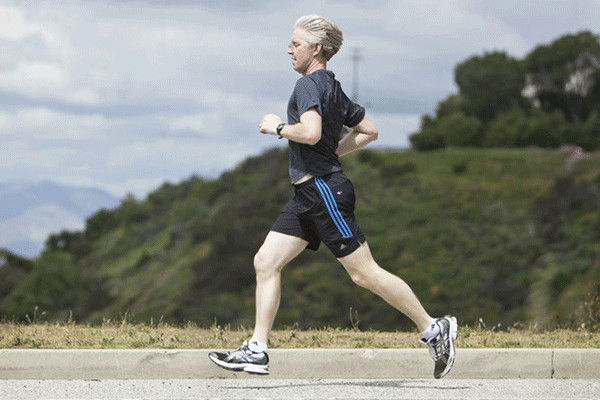
Walking Is Powerful but It Isn't the Whole Exercise Plan
Walking has many advantages, but a well-rounded fitness routine can include other forms of activity too.
Strength training
Helps maintain muscle and bone strength.
Balance exercises
Can be particularly valuable for older adults.
Flexibility and mobility work
May help maintain comfortable movement.
More vigorous aerobic activity
Can provide additional cardiovascular conditioning for people who are able to do it safely.
Walking can serve as the foundation.
Other forms of exercise can fill in the gaps.
The Most Important Change May Be Consistency
You may not notice a dramatic transformation after your first walk.
That isn't a sign that the walk was useless.
Health improvements often accumulate gradually.
Today you take a 20-minute walk.
Tomorrow you do it again.
A week later, you're beginning to feel more comfortable.
A month later, walking feels like part of your normal routine.
Over time, those small decisions can contribute to a more active lifestyle.
The biggest benefit may not come from any single walk.
It may come from choosing to move regularly over months and years.
The Bottom Line
Walking every day can be one of the simplest ways to increase your physical activity.
A regular walking routine may support cardiovascular fitness, muscle activity, mobility, blood-sugar regulation, energy expenditure, mental well-being, sleep, and general physical function.
It can also help break up long periods of sitting and create a sustainable daily exercise habit.
But walking isn't a miracle treatment.
It won't prevent every disease, automatically produce weight loss, or replace appropriate medical care.
The best approach is to start at a level that feels manageable and gradually build from there.
You don't need a fancy gym membership to start improving your activity level. Sometimes the most valuable exercise is the one you can realistically keep doing—one step at a time.