What’s the Difference Between a Therapy Animal and Emotional Support Animal?
The main distinctions between a therapy animal and an emotional support animal are training and who the pet helps. A therapy cat is trained to visit public places to aid a variety of people; an emotional support cat is likely to benefit just his owner.
“A therapy animal has been trained specifically to do therapy work, including providing comfort and support,” says Haylee Bergeland, CPDT-KA, RBT and Founder and Executive Director at (IHABS). “They have passed an evaluation that specifically tests for skills suitable to work in therapy environments.” This type of animal visits public places in the community such as schools, nursing homes, and hospitals to provide comfort for residents and attendees. Therapy animals do not, however, have permission to go just anywhere with you. For example, there are no laws allowing you to take your therapy animal to a restaurant, hotel, or to your workplace with you. Therapy animals don’t have any special rights or permissions other than those of regular pets, so if you have a therapy-trained cat it’s important to schedule visits with community facilities ahead of time and get permission to bring your registered therapy animal.
“An emotional support animal has not been trained specifically to work with others, but instead provides some form of therapeutic benefit to their owners, like through companionship,” Bergeland says. Emotional support animals are depending on the owner’s condition, so it’s best to check with your local government agencies to see what the laws are in your area.
Can Cats Be Therapy Animals?
In many cases, yes! (HABRI) reports that contact with cats offers many of the same therapeutic benefits as contact with dogs—sloppy wet kisses aside. These include, but aren’t limited to:
- Better heart health
- Reduced stress and pain
- A stronger immune system
- Decreased symptoms of anxiety, depression, and other mood and behavioral conditions
- Lessened feelings of loneliness and heightened abilities to form social connections
Additionally, HABRI points out that people who interact with animals laugh more! This exchange boosts “feel good” brain chemicals such as dopamine, endorphins, oxytocin, and serotonin.
Using cats as therapy animals requires two specific things. Elisabeth Van Every is the senior communications specialist and managing editor for in Bellevue, Wash., a leading therapy animal program in the field of animal-assisted interventions. “The most important qualities for a therapy cat are the right temperament and a strong bond with their handler,” she says. “A good therapy cat will have a friendly, calm, people-oriented temperament; be comfortable with new experiences and new places; and handle travel well.”
What Does a Therapy Cat Do?
Van Every says people are often surprised when they first see a therapy cat, and then delighted! “Therapy cats are still fairly rare, and the opportunity to interact with one is a special experience. People love the novelty and to have the cat sit on their lap or bed.”
prompts a release of a human’s “feel good” chemicals, and lowers cortisol, the stress hormone.
It’s soothing to listen to a cat’s purr, too. , but humans frequently associate it with a cat’s contentment, and that adds to our happiness.
How to Find a Therapy Cat
If you know of a person or group of people who would benefit from interacting with a therapy cat (and you don’t have a trained therapy cat of your own), you can contact a reputable therapy animal organization and request a visit. According to Bergeland, organizations like IHABS help a person, organization, or facility create therapy animal programs suitable for their clients or patients. Then, the organization tailors visits—and selects human-animal teams—specific for the needs of the therapy location.
“Therapy cats are not something a person can just purchase,” Bergeland says. “Owners of cats that have great dispositions for therapy work train their cat to be able to work out in the community.” If your cat has what it takes to be trained as a therapy cat, there are specific training programs available that can help your cat start down that path.
Therapy Cat Training
Organizations such as and other criteria.
Van Every says if you think your kitty has what it takes, here’s what to work on:
- Get them used to going to different places and meeting new people.
- Start —important for safe visitations.
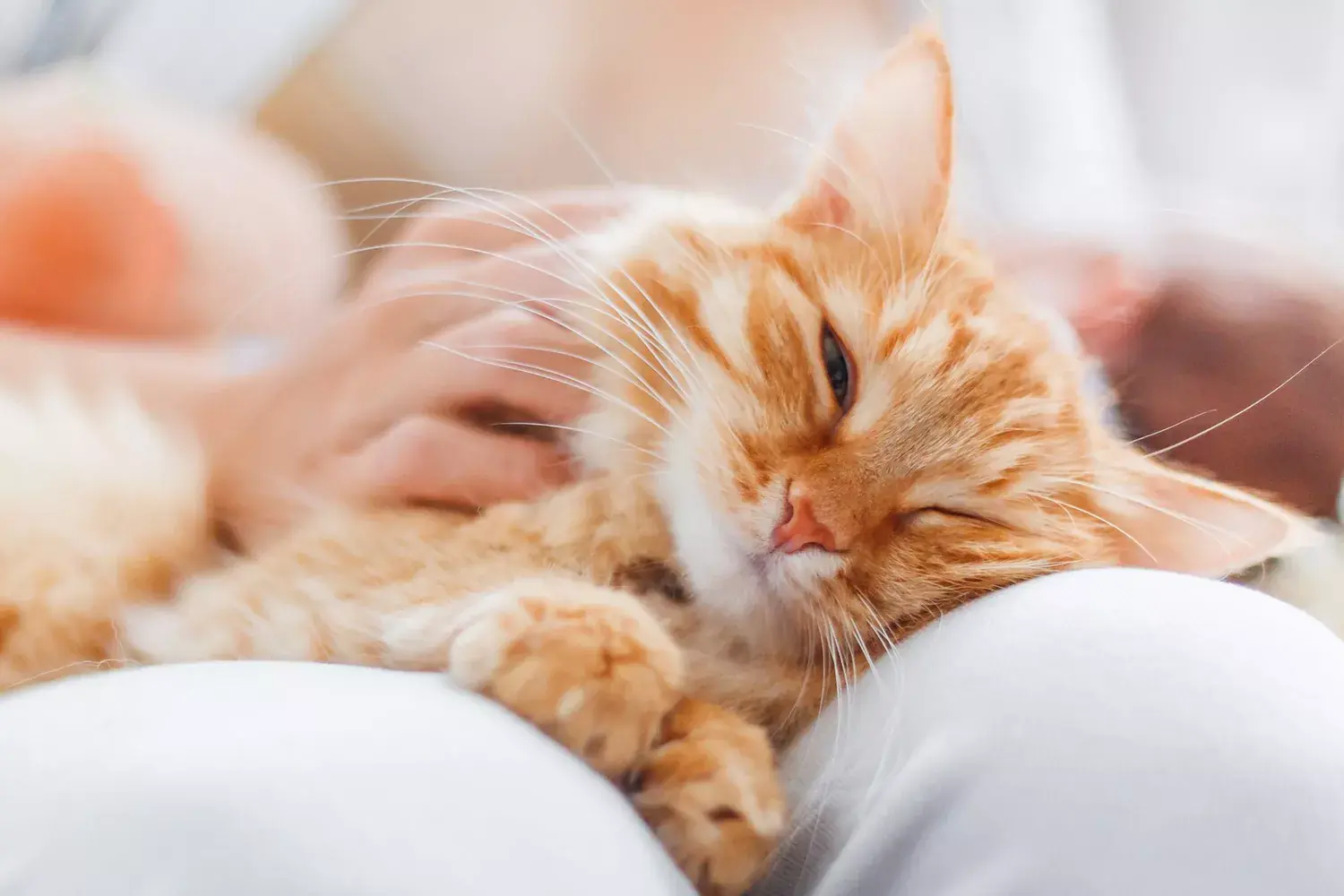
The kitty-human bond is essential for therapy cat training. “A handler knows their and preferences, advocates for his welfare, and can ensure visits are safe and pleasant for everyone,” she says. “And work with them consistently on Therapy cats need to be able to leave enticing items alone—such as food, toys, wastebaskets, and such—when given a cue to do so. They also learn to stay comfortably on a lap when placed there, and to minimize vocalizing upon request.”
Once your cat is a trained therapy pet, there are still steps you should take before bringing him to a facility. Research how many people there are, the frequency of visits, what interaction is allowed, and other rules that might be in effect at that location.