Why Did Our Ancestors Warn Us Against Building a "Three-Legged House"?
Building a house is a significant event in life, and ensuring proper design and adherence to traditional wisdom is critical. There is an age-old saying: “Building a three-legged house brings hardship to both the residents and their possessions.” But what exactly does a "three-legged house" mean, and why should it be avoided?
What Is a "Three-Legged House"?
A "three-legged house" refers to homes that are poorly constructed or lack structural integrity. These might include houses with unstable walls, leaning gates, fragile roofs, or poorly sealed interiors that fail to protect against rain or sunlight.
Such houses often appear makeshift, dimly lit, and unsafe, leading to poor living conditions. It is believed that people living in such homes may struggle to prosper and face ongoing challenges in life. Moreover, dark and damp homes limit exposure to sunlight, which can adversely affect health and well-being.
Traditional Beliefs and Feng Shui Advice
Our ancestors emphasized the importance of avoiding certain architectural flaws during house construction. Below are some common warnings:
1. Avoid Building at the Foot of a Mountain or Narrow Mountain Pass
Building a house in such locations poses risks of landslides and flash floods, which could result in catastrophic damage to property and lives. These areas also tend to be breeding grounds for diseases during floods.
2. Do Not Place Large Trees or Electric Poles in Front of the House
Large trees or electric poles obstruct positive energy (yang energy) from entering the home, potentially disrupting fortune and health. Additionally, they create shadows that trap negative energy (yin energy). Such structures can also become hiding places for burglars, posing security threats to the household.
Recommendation: Opt for slim, tall trees with sparse foliage, such as areca palms, ornamental coconut trees, or bonsai.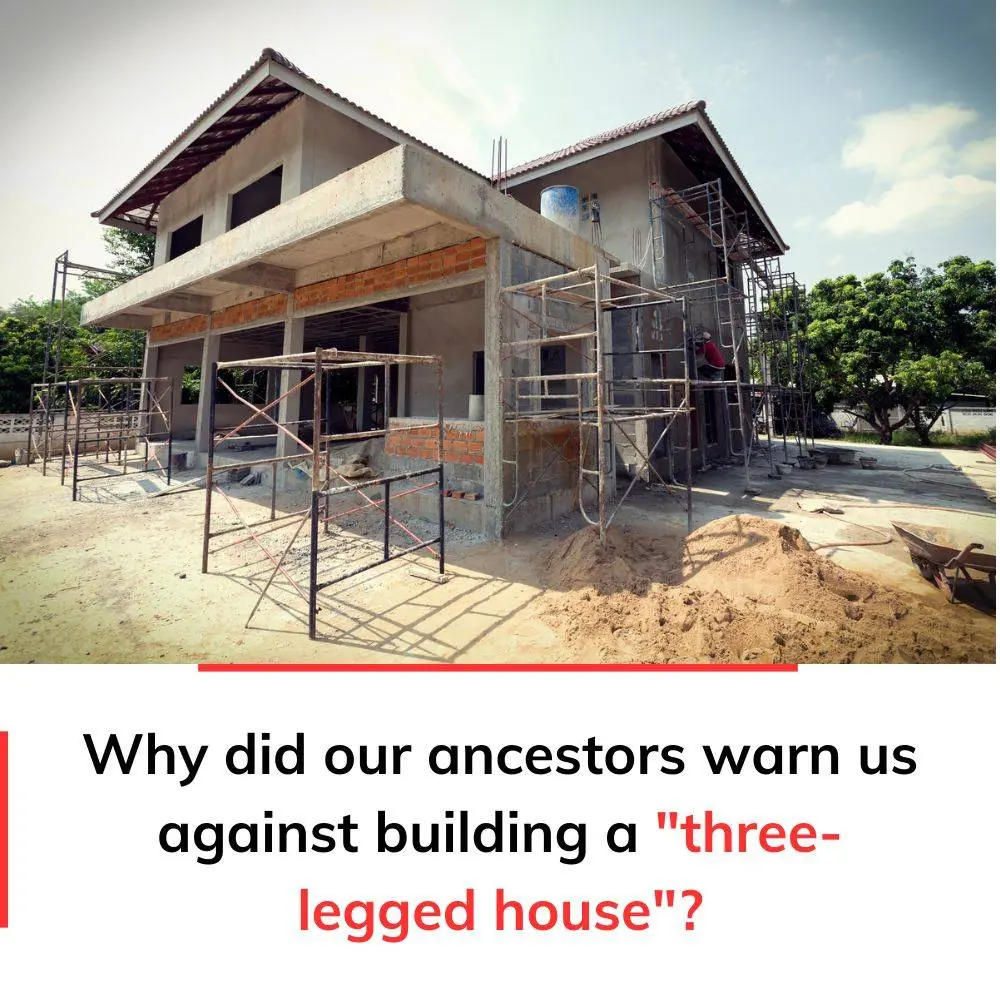
3. Avoid Building Walls That Are Too High
Excessively high walls disrupt the aesthetic balance of the house, making it appear isolated and less welcoming. From a feng shui perspective, high walls block natural light, making the interior dark and damp, which can negatively impact the mood and well-being of the residents.
If uneven wall heights are unavoidable, it’s better for the left side (symbolizing the dragon) to be taller than the right side (symbolizing the tiger), as per the traditional principle: "Let the dragon soar but keep the tiger subdued."
4. Avoid Houses with Too Many Sharp Corners
Homes with numerous sharp corners are believed to bring bad luck and financial loss. Sharp corners can create psychological discomfort for the residents and disrupt the energy flow within the house.
Solution: Place tall, leafy plants in these corners to soften their impact, or use furniture like cabinets to conceal them and make the space feel more harmonious.
5. Avoid Abandoned or Dilapidated Structures in Front of the House
Having an abandoned house or a ruined structure in front of your property diminishes its aesthetic appeal and can harbor pests, snakes, and insects. It also creates an environment conducive to negative energy, which could adversely affect the prosperity and health of the household.
6. Avoid Gates Facing the Corners of Another House
If the corner of a neighboring house’s wall points directly at your gate, it is considered a form of "poison arrow" energy (nê tiêm sát). This can bring misfortune to the family, with specific impacts depending on which side of the house it points to:
- Left side: Misfortune for male members of the household.
- Right side: Misfortune for female members.
Modern Recommendations
While these beliefs are rooted in tradition, many align with practical safety and health considerations. To ensure a safe and harmonious living space:
- Choose sturdy construction materials and prioritize proper design and ventilation.
- Avoid cluttering the house with large or obstructive elements that could hinder natural light and airflow.
- Maintain the property regularly to prevent decay and deterioration.
- Integrate feng shui principles that promote balance and positivity.
By respecting these timeless guidelines, you can create a home that fosters prosperity, health, and happiness.