Have you ever coughed, sneezed, or cleared your throat and noticed a small white or yellowish lump come out? It can be surprising and even a little alarming - especially if you've never seen it before. Many people immediately wonder whether it's a sign of an infection, a piece of food, or something more serious.
In many cases, the lump turns out to be a tonsil stone, also known as a tonsillolith. These small deposits are fairly common and are usually harmless, although they can sometimes cause bad breath, throat discomfort, or the sensation that something is stuck in your throat.
However, not every white lump that comes out of the throat is a tonsil stone. Understanding the possible causes, symptoms, and treatment options can help you know when it's simply an inconvenience and when it's time to seek medical advice.
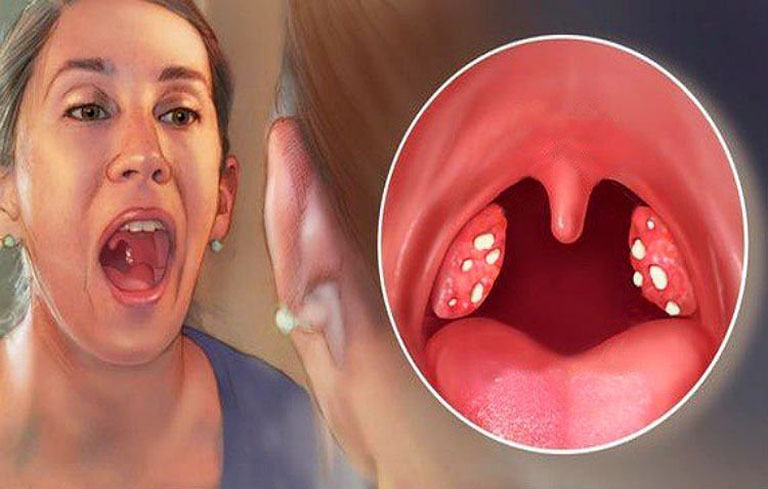
What Is a Tonsil Stone?
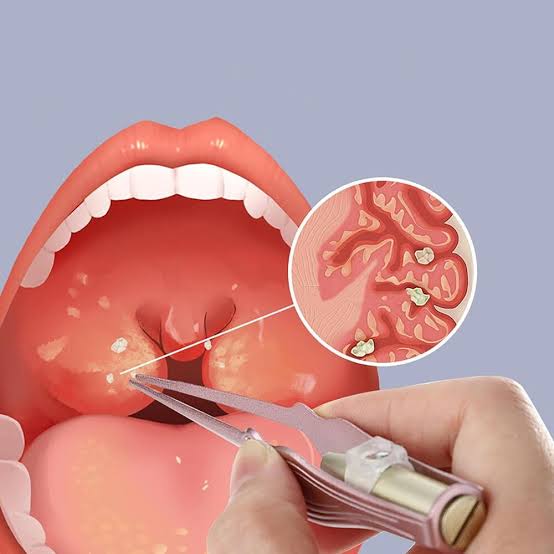
A tonsil stone is a small, hardened deposit that forms inside the tiny pockets, or crypts, of the tonsils.
Your tonsils are part of the immune system and help trap bacteria, viruses, and other particles that enter through your mouth and nose. Over time, small amounts of material can become trapped inside these crypts.
These materials may include:
-
Food particles
-
Dead cells
-
Mucus
-
Saliva
-
Bacteria
-
Minerals such as calcium
As the material builds up, it can harden and form a white or yellowish lump.
Why Do Tonsil Stones Form?
Tonsil stones usually develop because debris becomes trapped and isn't completely removed by normal swallowing or saliva flow.
Several factors may increase the likelihood of developing them.
Deep Tonsil Crypts
Some people naturally have larger or deeper crypts, allowing more material to collect.
Chronic Tonsillitis
Repeated inflammation or infections may enlarge the crypts and increase stone formation.
Poor Oral Hygiene
Bacteria and food debris are more likely to accumulate when oral hygiene is inadequate.
Brushing, flossing, and cleaning the tongue regularly may help reduce this buildup.
Dry Mouth
Saliva naturally helps wash away debris.
A dry mouth caused by dehydration, certain medications, or mouth breathing can make stones more likely.
Allergies and Postnasal Drip
Excess mucus from allergies or sinus problems can collect around the tonsils and contribute to stone formation.
What Do Tonsil Stones Look Like?
Tonsil stones vary in appearance.
They are often:
-
White
-
Yellow
-
Off-white
-
Small and round
-
Soft or firm
-
Occasionally crumbly
Some are no larger than a grain of rice, while others may become significantly larger.
Common Symptoms
Many tonsil stones cause no symptoms at all.
When symptoms occur, they may include:
-
Persistent bad breath
-
Feeling that something is stuck in the throat
-
Mild sore throat
-
Difficulty swallowing
-
Ear pain without an ear infection
-
White or yellow spots visible on the tonsils
-
An unpleasant taste in the mouth
-
Frequent throat clearing
Some people only notice a stone after coughing or sneezing.
Why Do They Smell So Bad?
One of the most recognizable features of tonsil stones is their unpleasant odor.
This smell comes from bacteria trapped inside the stone that produce volatile sulfur compounds.
These same compounds are a common cause of chronic bad breath.
Removing the stone often improves the odor, although good oral hygiene remains important.
Are Tonsil Stones Dangerous?
For most people, tonsil stones are not dangerous.
They are generally considered a benign condition and rarely lead to serious health problems.
However, large or recurrent stones can become bothersome and occasionally require medical treatment.
Could It Be Something Other Than a Tonsil Stone?
Yes.
Not every white lump from the throat is a tonsil stone.
Other possibilities include:
Thick Mucus
Dried or thickened mucus from allergies, sinus infections, or respiratory illnesses may appear as a white or yellow lump.
Food Debris
Occasionally, small pieces of food become trapped in the throat or tonsil crypts before being expelled.
Pus from an Infection
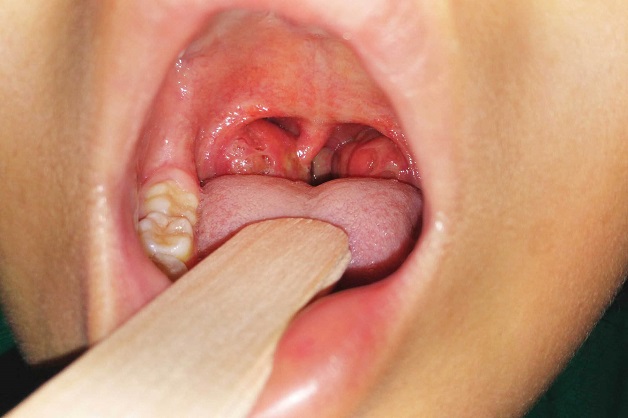
Severe throat infections, including bacterial tonsillitis, can produce white patches or pus on the tonsils.
These conditions are usually accompanied by symptoms such as:
-
Fever
-
Significant sore throat
-
Swollen lymph nodes
-
Difficulty swallowing
Unlike tonsil stones, these infections often require medical evaluation.
Other Conditions
Rarely, persistent lumps, ulcers, or unusual growths in the throat may have causes unrelated to tonsil stones.
Any persistent abnormality should be evaluated by a healthcare professional.
How Are Tonsil Stones Diagnosed?
Diagnosis is usually straightforward.
A healthcare provider may:
-
Examine your throat using a light.
-
Review your symptoms.
-
Assess your medical history.
Imaging studies are only occasionally needed for unusually large or deeply embedded stones.
Treatment Options
Treatment depends on the size of the stone and whether it causes symptoms.
No Treatment
Small stones that cause no discomfort often require no treatment at all.
Many fall out naturally over time.
Saltwater Gargles
Gargling with warm salt water may help soothe irritation and loosen small stones.
Good Oral Hygiene
Maintaining excellent oral hygiene can reduce bacteria and debris.
Daily habits include:
-
Brushing twice daily
-
Flossing every day
-
Cleaning the tongue
-
Staying hydrated
-
Visiting the dentist regularly
Gentle Removal
Some visible stones may be removed carefully.
However, avoid using sharp objects or applying excessive force, as this may injure the tonsils and cause bleeding.
If removal is difficult or painful, seek professional care.
Medical Treatment
An ear, nose, and throat (ENT) specialist may recommend additional treatment for people with frequent, large, or painful stones.
Depending on the situation, options may include:
-
Removal in the clinic
-
Procedures to reduce tonsil crypts
-
Tonsillectomy (in selected cases)
Surgery is generally reserved for persistent problems that significantly affect quality of life.
How Can You Help Prevent Tonsil Stones?
While prevention isn't always possible, several healthy habits may reduce the likelihood of recurrence.
Practice Good Oral Hygiene
Brush, floss, and clean your tongue every day.
Stay Well Hydrated
Adequate hydration supports saliva production, which naturally helps clean the mouth.
Gargle Regularly
Water or warm saltwater gargles may help remove loose debris from the tonsil area.
Manage Allergies
Treating allergies may reduce excess mucus and postnasal drip.
Avoid Tobacco Products
Smoking can contribute to dry mouth and bacterial growth.
Avoiding tobacco supports both oral and overall health.
Common Myths About White Lumps in the Throat
Myth: Every white lump is a tonsil stone.
Fact: White lumps can also be mucus, food particles, pus from an infection, or other conditions.
Myth: Tonsil stones are contagious.
Fact: Tonsil stones cannot be passed from one person to another.
Myth: Tonsil stones are a sign of poor health.
Fact: Many healthy people develop tonsil stones because of the natural structure of their tonsils.
Myth: You should always remove them yourself.
Fact: Aggressive removal can injure the tonsils. Persistent or painful stones should be evaluated by a healthcare professional.
Myth: Tonsil stones are cancer.
Fact: Tonsil stones are hardened deposits of debris—not tumors or cancer.
When Should You See a Healthcare Provider?
Although tonsil stones are usually harmless, seek medical attention if you experience:
-
Severe or worsening throat pain
-
Fever
-
Difficulty swallowing
-
Difficulty breathing
-
Persistent bleeding
-
Frequent or large recurring stones
-
A lump that does not go away
-
Unexplained weight loss or persistent hoarseness
These symptoms may indicate another condition that requires evaluation.
Tips for Keeping Your Throat Healthy
Simple daily habits can support good throat and oral health:
-
Brush and floss regularly.
-
Clean your tongue each day.
-
Stay hydrated.
-
Avoid smoking and vaping.
-
Treat allergies if recommended by your healthcare provider.
-
Visit your dentist for routine checkups.
-
Seek medical care for recurrent throat infections.
Healthy oral habits benefit not only your tonsils but also your teeth, gums, and overall well-being.
The Bottom Line
A small white or yellow lump that occasionally comes out of your throat is often a tonsil stone, a common and usually harmless buildup of food particles, bacteria, mucus, dead cells, and minerals that collect within the natural crevices of the tonsils. While tonsil stones can cause bad breath, throat irritation, or the feeling that something is stuck in the throat, many people have no symptoms at all.
It's important to remember that not every white lump is a tonsil stone. Thick mucus, food particles, or throat infections can produce similar-looking material, and persistent or concerning symptoms should always be evaluated by a healthcare professional. Maintaining good oral hygiene, staying hydrated, and addressing underlying issues such as allergies or recurrent tonsillitis may help reduce the risk of future tonsil stones and support overall throat health.