Many people wake up with a sore jaw, sensitive teeth, headaches, or facial tension without realizing the cause. Often, the culprit is a common but frequently overlooked condition known as nighttime teeth grinding, or sleep bruxism.
Because it occurs during sleep, most people are completely unaware that they grind or clench their teeth. In fact, many only discover the problem after a partner hears the grinding sounds at night or a dentist notices unusual wear on their teeth during a routine checkup.
Occasional teeth grinding may not be a cause for concern. However, frequent or severe grinding can sometimes be a clue that the body is responding to underlying physical, emotional, or sleep-related issues.
So what exactly does nighttime teeth grinding reveal about your health? Let's take a closer look.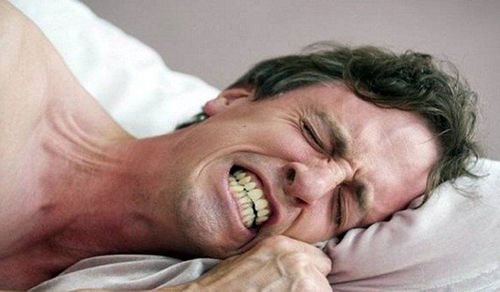
What Is Sleep Bruxism?
Sleep bruxism is a condition characterized by involuntary grinding, clenching, or gnashing of the teeth during sleep.
Unlike chewing or normal jaw movement, bruxism involves excessive force that places stress on the teeth, jaw muscles, and surrounding structures.
People with sleep bruxism may:
- Clench their teeth tightly
- Grind their upper and lower teeth together
- Tense their jaw muscles repeatedly throughout the night
The condition can occur in both adults and children, although the causes may differ between age groups.
Sign #1: Chronic Stress and Anxiety
One of the most commonly recognized links to nighttime teeth grinding is psychological stress.
When stress levels rise, the body often responds physically.
Common reactions include:
- Muscle tension
- Increased heart rate
- Restlessness
- Jaw clenching
- Teeth grinding
Many people who experience significant work pressure, financial concerns, family stress, or emotional challenges may unconsciously grind their teeth while sleeping.
Interestingly, the grinding itself may become more intense during particularly stressful periods.
If nighttime teeth grinding develops or worsens during times of emotional strain, it may be a signal that stress-management strategies deserve greater attention.
Sign #2: Poor Sleep Quality
Sleep bruxism is closely connected to sleep disturbances.
Research has shown that teeth grinding frequently occurs during brief periods of partial awakening known as sleep arousals.
These tiny awakenings may be so brief that the individual has no memory of them.
Conditions associated with disrupted sleep include:
- Insomnia
- Irregular sleep schedules
- Frequent nighttime awakenings
- Poor sleep hygiene
When sleep quality declines, the risk of nighttime grinding may increase.
In some cases, improving sleep habits can help reduce bruxism episodes.:format(webp)/tat_nghien_rang_khi_ngu_c803bdd094.png)
Sign #3: Sleep Apnea
One of the most important health conditions linked to nighttime teeth grinding is obstructive sleep apnea.
Sleep apnea occurs when breathing repeatedly stops and starts during sleep due to temporary airway obstruction.
Common symptoms include:
- Loud snoring
- Gasping during sleep
- Excessive daytime fatigue
- Morning headaches
- Difficulty concentrating
Researchers have observed that many people with sleep apnea also experience teeth grinding.
Although the exact relationship is still being studied, some experts believe the body may activate jaw muscles during breathing disruptions as part of a protective response.
For this reason, frequent nighttime grinding accompanied by snoring or excessive daytime sleepiness should be discussed with a healthcare provider.
Sign #4: Jaw Joint Problems
Teeth grinding can both contribute to and result from problems involving the temporomandibular joint (TMJ).
The TMJ connects the jawbone to the skull and plays a vital role in chewing, speaking, and facial movement.
Symptoms of TMJ dysfunction may include:
- Jaw pain
- Clicking sounds
- Difficulty opening the mouth
- Facial discomfort
- Ear pain
Excessive grinding places tremendous pressure on these joints, which may worsen existing problems or contribute to new ones.
Persistent jaw discomfort often warrants professional evaluation.
Sign #5: Dental Alignment Issues
In some individuals, bite irregularities or misaligned teeth may contribute to grinding behavior.
While stress and sleep disorders appear to be stronger risk factors than dental alignment alone, certain bite problems may increase strain on the jaw muscles.
A dentist can evaluate whether structural issues within the mouth may be contributing to symptoms.
Sign #6: Medication Effects
Certain medications have been associated with an increased risk of teeth grinding.
Examples may include some:
- Antidepressants
- Psychiatric medications
- Neurological medications
Not everyone taking these medications will develop bruxism, but healthcare providers may consider medication history when investigating persistent grinding.
Any concerns about medication side effects should be discussed with the prescribing healthcare professional rather than stopping medications independently.
Common Symptoms of Nighttime Teeth Grinding
Because grinding occurs during sleep, many individuals remain unaware of the condition for years.
Possible signs include:
Morning Headaches
Repeated jaw muscle contractions throughout the night may contribute to headaches upon waking.
Jaw Pain
Soreness or tightness around the jaw is a common symptom.
Tooth Sensitivity
Excessive grinding can gradually wear down tooth enamel, leading to increased sensitivity.
Facial Pain
Overworked jaw muscles may create discomfort throughout the face.
Worn or Flattened Teeth
Dentists often identify grinding through characteristic wear patterns on the teeth.
Sleep Disruption
Some individuals experience reduced sleep quality due to frequent grinding episodes.
Potential Long-Term Consequences
When left untreated, chronic bruxism may lead to several complications.
These can include:
- Tooth wear
- Tooth fractures
- Cracked fillings
- Gum irritation
- TMJ disorders
- Chronic jaw pain
- Persistent headaches
The severity varies greatly from person to person.
Some individuals experience only mild symptoms, while others develop significant dental damage over time.
How Is Sleep Bruxism Diagnosed?
Dentists are often the first healthcare professionals to recognize signs of grinding.
Diagnosis may involve:
- Dental examination
- Assessment of tooth wear
- Evaluation of jaw function
- Review of symptoms
- Discussion of sleep habits
In some cases, further evaluation by a sleep specialist may be recommended, especially when sleep apnea is suspected.
What Can Help Reduce Teeth Grinding?
Treatment depends on the underlying cause.
Common strategies may include:
Managing Stress
Stress reduction techniques such as meditation, exercise, counseling, and relaxation exercises may help some individuals.
Improving Sleep Habits
Consistent sleep schedules and good sleep hygiene may support better sleep quality.
Using a Night Guard
Custom-fitted dental guards can help protect teeth from grinding-related damage.
Addressing Sleep Disorders
Treating underlying sleep conditions such as sleep apnea may reduce grinding episodes in some cases.
Limiting Stimulants
Reducing caffeine, nicotine, and alcohol intake—particularly before bedtime—may be helpful for certain individuals.
When Should You Seek Professional Advice?
Consider speaking with a healthcare provider or dentist if you experience:
- Frequent morning headaches
- Jaw pain
- Tooth sensitivity
- Cracked or worn teeth
- Loud nighttime grinding reported by a partner
- Excessive daytime sleepiness
- Loud snoring combined with grinding
Early intervention can help prevent long-term dental damage and identify any underlying health concerns.
Final Thoughts
Nighttime teeth grinding is often dismissed as a simple habit, but it can sometimes reveal important information about overall health. Chronic stress, anxiety, poor sleep quality, sleep apnea, jaw disorders, medication effects, and other factors may all contribute to sleep bruxism.
While occasional grinding is common, persistent symptoms should not be ignored. Paying attention to signs such as jaw pain, morning headaches, worn teeth, and disrupted sleep may help uncover underlying issues before they become more serious.
If your teeth are grinding while you sleep, your body may be trying to tell you something. Listening to that message—and seeking professional guidance when necessary—can help protect both your oral health and your overall well-being.