Noticing purple or bluish veins on your legs can be surprising, especially if they seem to have appeared recently or have become more noticeable over time.
For some people, these veins are nothing more than a cosmetic concern. For others, they may be associated with changes in the veins that deserve medical attention. The important thing is that the color or appearance of a vein alone cannot tell you exactly what is happening inside your body.
Purple veins can appear for many different reasons, including genetics, age, skin tone, prolonged standing, pregnancy, hormonal changes, and problems with how blood returns from the legs to the heart.
Understanding the possible causes can help you recognize when visible veins are simply common and when they may be worth discussing with a healthcare professional.
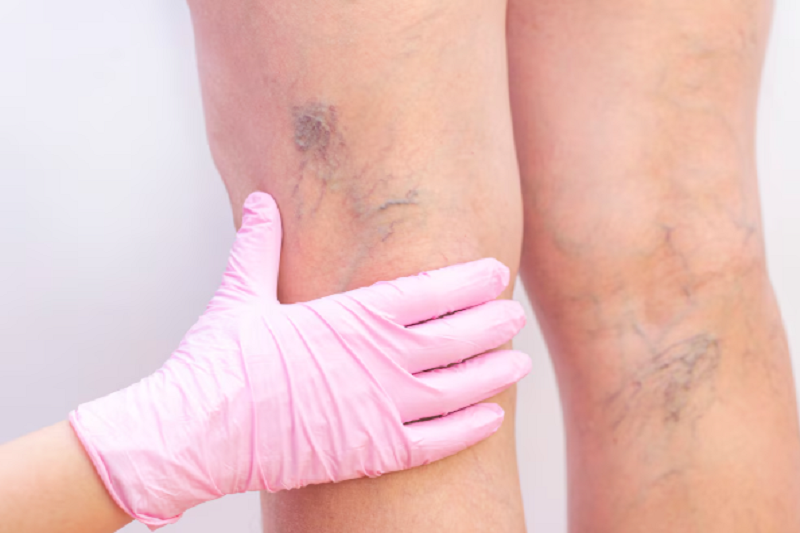
Why Do Veins Look Purple or Blue?
Veins carry blood back toward the heart. Because blood inside veins contains less oxygen than blood in arteries, veins often appear blue, green, or purple when viewed through the skin.
The color you see isn't necessarily the actual color of the blood or the vein itself. Skin thickness, pigmentation, lighting, and the depth of the vein beneath the skin can all influence its appearance.
That's why some people naturally have more visible veins than others.
A person with fair or thin skin may notice veins much more easily than someone with darker or thicker skin.
Visible veins can also become more prominent after exercise, when the body is warm, or when there is temporarily increased blood flow.
1. Spider Veins Are One Common Explanation
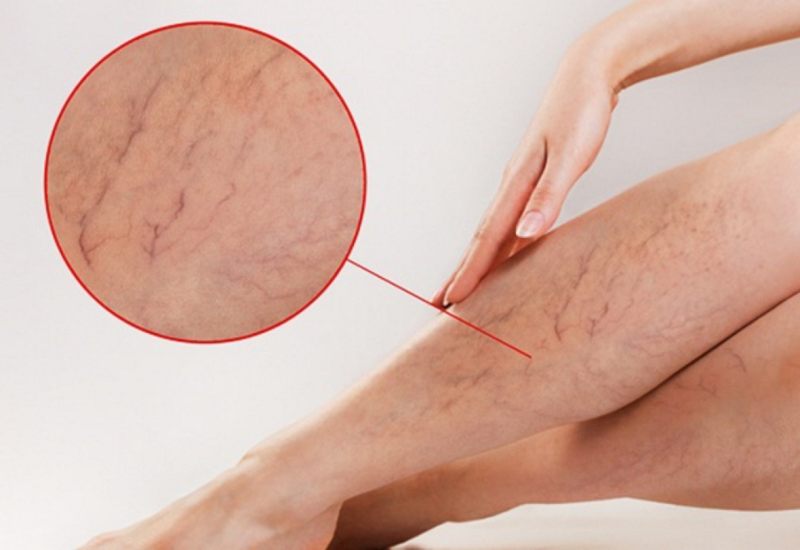
One of the most common reasons for small purple or reddish lines appearing on the legs is spider veins.
Spider veins are small, visible blood vessels located close to the surface of the skin. They may look like:
-
Thin purple lines
-
Red or blue branches
-
Small networks resembling a spider web
-
Starburst patterns
-
Short clusters of tiny vessels
They are especially common on the thighs, calves, ankles, and around the knees.
For many people, spider veins don't cause any serious symptoms.
They can simply be a visible feature of the superficial blood vessels.
2. Varicose Veins Look Different
Varicose veins are generally larger and more prominent than spider veins.
They can appear:
-
Blue or purple
-
Twisted
-
Bulging
-
Rope-like
-
Raised above the skin
Varicose veins commonly develop in the legs because the veins there have to work against gravity to return blood to the heart.
Inside many leg veins are tiny valves that help keep blood moving in the correct direction.
When these valves don't function properly, blood can pool in the veins, increasing pressure and causing the veins to become enlarged and more visible.
This is one reason visible veins can sometimes be associated with chronic venous insufficiency, a condition in which blood has difficulty returning efficiently from the legs.
3. Standing for Long Periods Can Play a Role
Your daily routine can influence how noticeable your leg veins become.
People who spend many hours standing or sitting may experience more pressure in the veins of their legs.
For example, this can affect people who work as:
-
Teachers
-
Healthcare workers
-
Retail employees
-
Hairdressers
-
Restaurant workers
-
Security personnel
Long periods of immobility can make the legs feel heavy or swollen.
Regular movement helps the calf muscles act as a kind of pump, assisting blood flow back toward the heart.
This doesn't mean that standing at work automatically causes varicose veins, but prolonged periods in one position can contribute to symptoms in people who are susceptible.
4. Genetics Can Make a Difference
Sometimes visible leg veins simply run in the family.
If your parents or close relatives have spider veins or varicose veins, you may have a greater tendency to develop them as well.
Genetics can influence the strength of vein walls and valves, as well as how your body responds to pressure within the veins.
That's why two people with similar lifestyles can have very different-looking legs.
One person may develop prominent veins relatively early, while another may barely notice them throughout life.
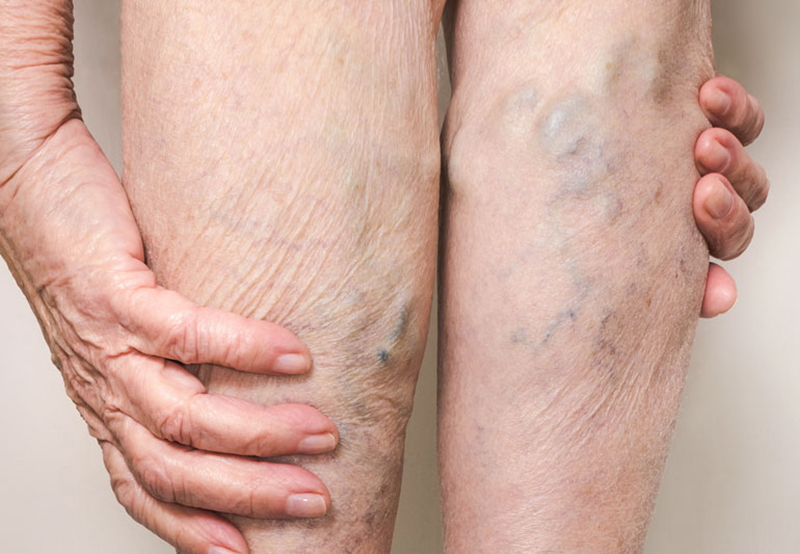
5. Age Can Make Veins More Noticeable
Visible veins can also become more common with age.
Over time, vein walls and valves can become less efficient.
At the same time, skin tends to become thinner and lose some of its elasticity.
As the skin becomes thinner, blood vessels beneath it may become easier to see.
This doesn't mean that every new purple vein is a sign of aging-related disease.
Sometimes it's simply the result of normal changes in the skin and vascular system.
However, rapidly worsening veins accompanied by swelling, discomfort, or skin changes deserve attention.
6. Pregnancy Can Cause More Visible Veins
Pregnancy can significantly change the circulatory system.
Blood volume increases during pregnancy, while the growing uterus can put additional pressure on veins that return blood from the lower body.
Hormonal changes can also affect blood vessels.
As a result, some pregnant women develop spider veins or varicose veins during pregnancy.
In many cases, these improve after delivery as circulation and hormone levels return toward their usual state.
However, pregnancy also increases the risk of blood clots, so sudden leg swelling, significant pain, warmth, or redness should never simply be assumed to be ordinary varicose veins.
7. Weight and Lifestyle Can Influence Vein Health
Body weight can affect pressure on the veins of the lower legs.
Carrying excess weight may place additional stress on the venous system and can be associated with a greater risk of chronic venous problems.
Physical activity, meanwhile, supports healthy circulation.
Walking is particularly useful because the contraction of the calf muscles helps push blood upward through the leg veins.
You don't need an extreme workout routine to support circulation.
Simple habits such as regular walking, changing positions throughout the day, and avoiding long periods of uninterrupted sitting can be helpful.
8. Hormonal Changes May Also Matter
Hormones can influence blood vessels and may contribute to the development of spider veins or varicose veins.
This is one reason visible leg veins can become more noticeable during:
-
Pregnancy
-
Puberty
-
Menopause
-
Certain hormonal treatments
Hormones aren't necessarily the sole cause, but they can interact with genetics, age, and other risk factors.
If you notice substantial changes in your veins after starting a medication or hormonal treatment, discuss them with your healthcare professional.
9. Purple Veins Don't Automatically Mean Poor Circulation
This is an important distinction.
Seeing purple veins does not automatically mean that your circulation is poor.
Superficial veins can be visible in perfectly healthy people.
Some individuals simply have more prominent veins because of their genetics, skin characteristics, body composition, or normal changes over time.
The overall picture matters much more than the color of a single vein.
A healthcare professional may consider symptoms, physical examination findings, medical history, and—when appropriate—tests such as a duplex ultrasound to evaluate blood flow.
When Visible Veins May Be More Concerning
Visible veins deserve more attention when they are accompanied by other symptoms.
Potential warning signs include:
Leg swelling
Especially swelling that persists or is noticeably greater in one leg.
Aching or heaviness
Some people with venous problems describe their legs as tired, heavy, or achy, particularly after prolonged standing.
Burning or throbbing
Varicose veins can sometimes cause discomfort or a sensation of pressure.
Skin changes
Long-term venous problems can sometimes lead to changes in skin color or texture around the ankles and lower legs.
Itching or irritation
The skin around varicose veins may sometimes become irritated.
Visible bulging veins
Large, twisted veins are more characteristic of varicose veins than simple spider veins.
These symptoms don't necessarily mean something dangerous is happening, but they are good reasons to discuss the situation with a healthcare professional.
The Important Difference Between Varicose Veins and a Blood Clot
One of the biggest misconceptions surrounding visible leg veins is that every unusual-looking vein represents a blood clot.
It doesn't.
A deep vein thrombosis (DVT) is a blood clot that forms in a deep vein, usually in the leg. It is different from ordinary spider veins and varicose veins.
Possible symptoms of DVT can include:
-
Swelling in one leg
-
Pain or tenderness
-
Warmth
-
Redness or discoloration
These symptoms can have other causes, but a suspected DVT requires prompt medical evaluation.
If a blood clot travels to the lungs, it can cause a pulmonary embolism, which is a medical emergency.
Know the Emergency Warning Signs
Seek emergency medical attention if leg symptoms occur along with signs that could indicate a pulmonary embolism, such as:
-
Sudden shortness of breath
-
Chest pain, particularly pain that worsens with breathing
-
Coughing up blood
-
Rapid heartbeat
-
Feeling faint or suddenly very unwell
These symptoms should not be attributed to ordinary spider veins or varicose veins without medical assessment.
Can You Prevent Purple Veins?
You can't control every factor.
Genetics, age, pregnancy, and other biological factors aren't completely preventable.
However, some lifestyle habits may support overall vein health and reduce symptoms.
Stay physically active
Walking and other regular activities encourage the calf muscles to assist venous return.
Avoid sitting for extremely long periods
If you have a desk job, stand up and move around regularly.
Change position when standing
If your work requires prolonged standing, try to walk around periodically rather than remaining stationary for hours.
Maintain a healthy weight
A balanced diet and regular activity can support cardiovascular and vascular health.
Elevate your legs when appropriate
Some people with venous symptoms find temporary relief by elevating their legs.
Avoid smoking
Smoking damages blood vessels and increases cardiovascular risk.
These habits aren't guaranteed to prevent spider or varicose veins, but they support healthier circulation overall.
What About Compression Stockings?
Compression stockings are sometimes recommended for people with certain types of venous problems.
They apply graduated pressure to the legs, which can help improve venous return and reduce swelling or discomfort in some people.
However, compression isn't appropriate for everyone.
People with certain arterial circulation problems, for example, may require different management.
It's therefore better to ask a healthcare professional whether compression stockings are appropriate for you rather than simply buying the strongest compression available.
Can Purple Veins Be Treated?
Treatment depends on the type of vein and whether it is causing symptoms.
If spider veins are primarily a cosmetic concern, treatment options may include procedures such as sclerotherapy or certain types of laser treatment.
For symptomatic varicose veins, healthcare professionals may consider a variety of approaches depending on the underlying problem.
These can include lifestyle measures, compression therapy, minimally invasive procedures, or other treatments.
The appropriate option depends on the individual.
A medical professional should evaluate the veins before deciding on treatment.
Don't Judge Your Health by Appearance Alone
One of the easiest mistakes to make is looking at a photograph online and trying to diagnose yourself.
Purple veins can look dramatic in photographs, but appearance alone doesn't provide enough information to determine whether a vein is harmless, cosmetic, or medically significant.
Two people can have veins that look almost identical but have completely different underlying causes.
That's why symptoms and professional evaluation matter.
What You Can Pay Attention to at Home
If you've recently noticed more visible veins, take note of a few details.
Ask yourself:
-
Did they appear suddenly or gradually?
-
Are they on both legs or primarily one?
-
Are they flat or raised?
-
Are they painful?
-
Is there swelling?
-
Does the discomfort worsen after standing?
-
Have you noticed changes in the skin?
-
Are you pregnant or recently postpartum?
-
Have you recently had surgery or prolonged immobility?
-
Are you taking medications that may affect circulation?
This information can be useful when speaking with a healthcare professional.
The Bottom Line
Purple or bluish veins on the legs are extremely common, and in many cases they are harmless visible blood vessels, spider veins, or varicose veins.
They can become more noticeable because of genetics, aging, pregnancy, prolonged standing, hormonal changes, body composition, and other factors.
However, visible veins accompanied by persistent swelling, significant pain, warmth, redness, skin changes, or sudden changes - especially in one leg shouldn't simply be ignored.
The most important thing to remember is that the appearance of a vein is only one piece of the puzzle.
Your veins don't have to look perfectly smooth for your circulation to be healthy.
And seeing a few purple lines doesn't automatically mean that something is seriously wrong.
At the same time, knowing what is normal for your body makes it easier to recognize when something genuinely changes.
Pay attention to new symptoms, avoid self-diagnosing from appearance alone, and speak with a healthcare professional when you're concerned.
Sometimes a purple vein is simply a visible part of normal anatomy.
Sometimes it reflects a common condition such as spider veins or varicose veins.
And occasionally, changes in the leg can be a reason to seek medical attention.
The key isn't to panic when you see purple veins—it's to understand what else is happening alongside them.